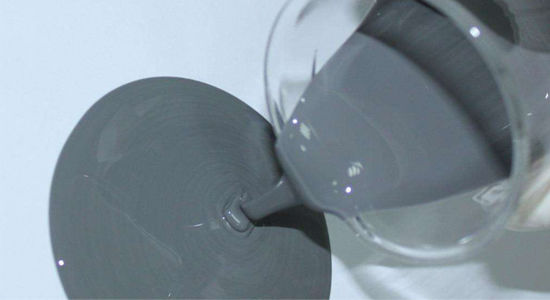



Silicone potting compounds are important protective materials for electronic devices, effectively providing waterproofing, moisture resistance, dustproofing, insulation, thermal conductivity, and corrosion protection, ensuring the stability and lifespan of electronic devices. Their curing methods are mainly divided into room temperature curing and heated curing. In practical applications, if abnormal curing occurs (such as incomplete curing, slow curing speed, or no curing at all), it is mainly caused by the following three core factors:
I. Mixing Ratio Deviation
Incorrect mixing ratio is the most common human factor leading to abnormal curing, mainly stemming from operational errors or insufficient precision of measuring tools. Silicone potting compounds are mostly used in two-component combinations (component A and component B), requiring strict mixing ratios. Especially when the A:B ratio differs significantly (e.g., 10:1), precise control of the component ratio is even more crucial. Even a small weighing error in the relatively smaller component (such as component B in the above ratio) can severely affect the integrity of the curing reaction, ultimately leading to curing failure, a soft adhesive layer, or no curing at all. In addition, uncalibrated measuring tools and environmental interference during weighing (such as dust and airflow) can also indirectly cause mixing deviations.
II. Inappropriate Curing Temperature
Curing temperature is a key environmental factor affecting the curing speed and effect of potting compounds. A decrease in temperature significantly slows down the curing reaction rate, not only prolonging the surface drying and hard drying time of the adhesive layer but also potentially leading to incomplete curing, thus affecting subsequent processes. This problem is particularly prominent in scenarios without heating, especially in winter when temperatures are low. Without insulation measures, curing can easily slow down, and the adhesive layer may not cure completely. Therefore, users without heating should plan their application time in advance, avoiding low-temperature periods, or take appropriate insulation measures to ensure that the curing temperature meets product requirements.
III. Curing Environment "Poisoning"
Here, "poisoning" refers to the destruction of the catalyst activity required for the curing of the potting compound, causing the curing reaction to fail normally. In severe cases, the adhesive layer may remain in a liquid state and fail to cure completely. The main causes fall into two categories: first, the presence of catalyst poisoning substances in the construction environment, such as organic compounds containing phosphorus, sulfur, and nitrogen; second, the mixing of silicone potting compounds with other incompatible products during construction, such as polyurethane, epoxy resin, unsaturated polyester, and condensation-type room temperature vulcanizing silicone rubber. These substances can directly reduce catalyst activity or even lead to complete catalyst inactivation. Therefore, before construction, it is necessary to confirm that the construction environment and the products to be protected do not contain the above-mentioned components that can easily cause catalyst poisoning, and to avoid mixing incompatible materials.