



Thermal Potting
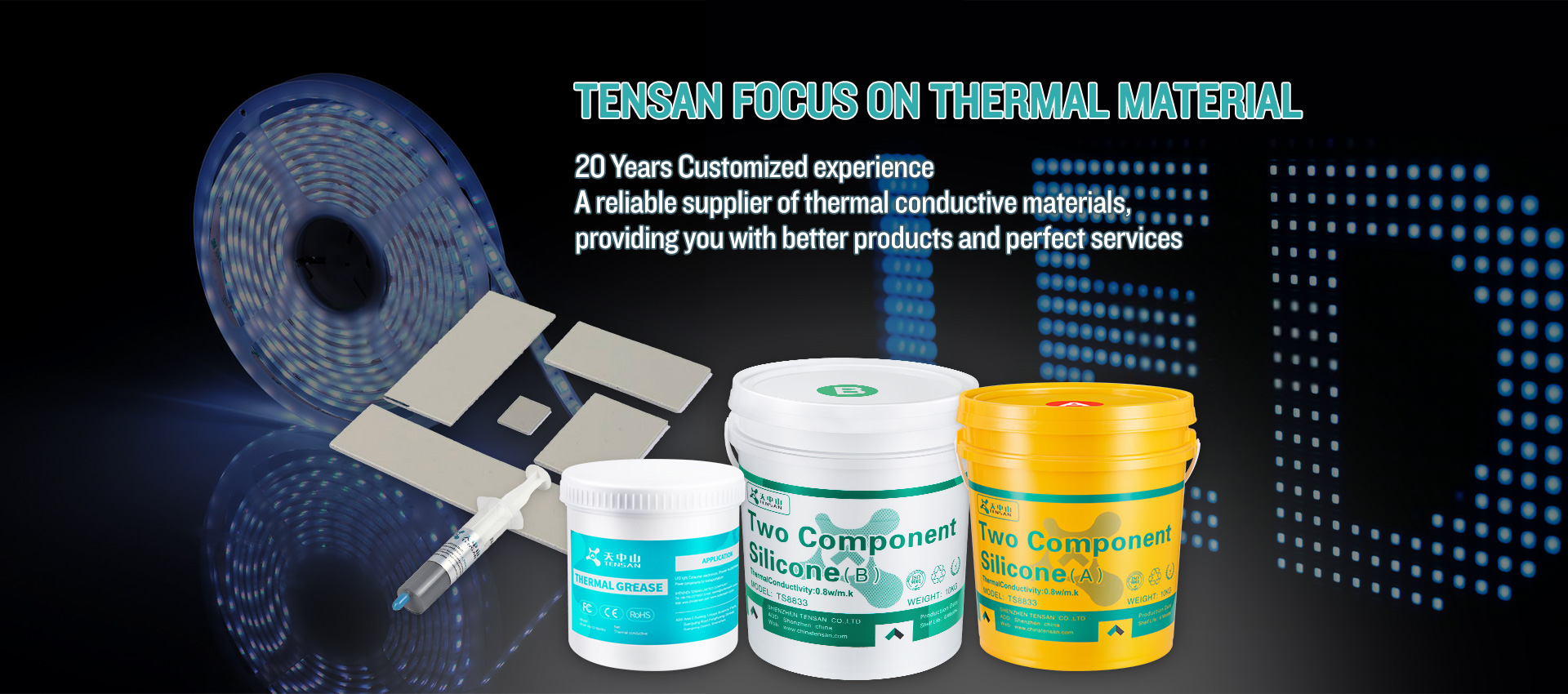
Thermal potting solutions for LED drivers and power supplies, combining sealing and heat dissipation.
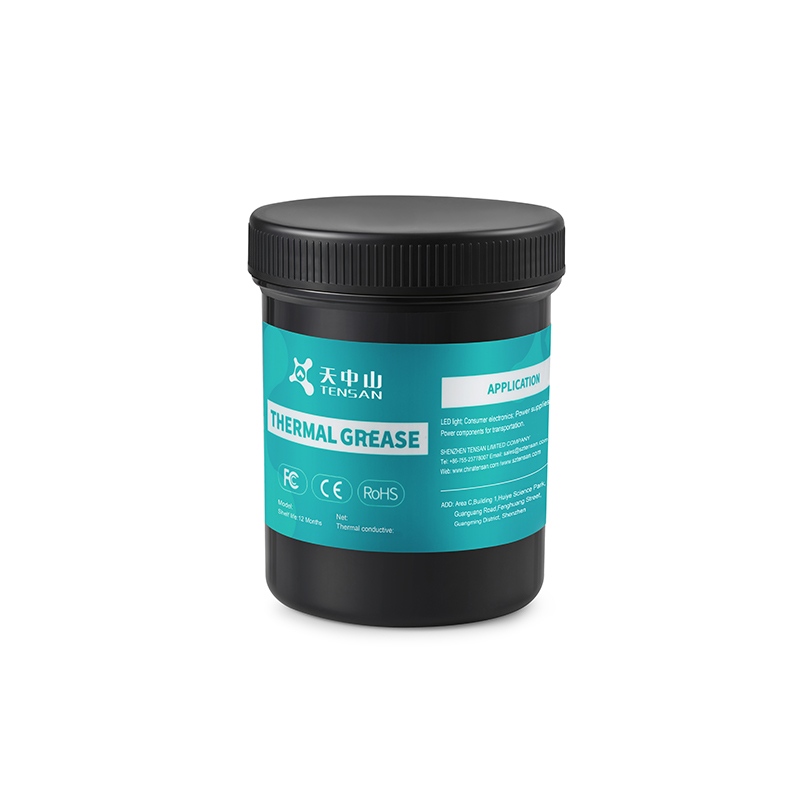
Shenzhen Tensan is a professional manufactures of Thermal Grease. There may be a lot of Thermal Grease manufacturers out there, but not all Thermal Grease manufacturers are alike.Our professional expertise in manufacturing Thermal Grease has been honed over the past 10+ years.
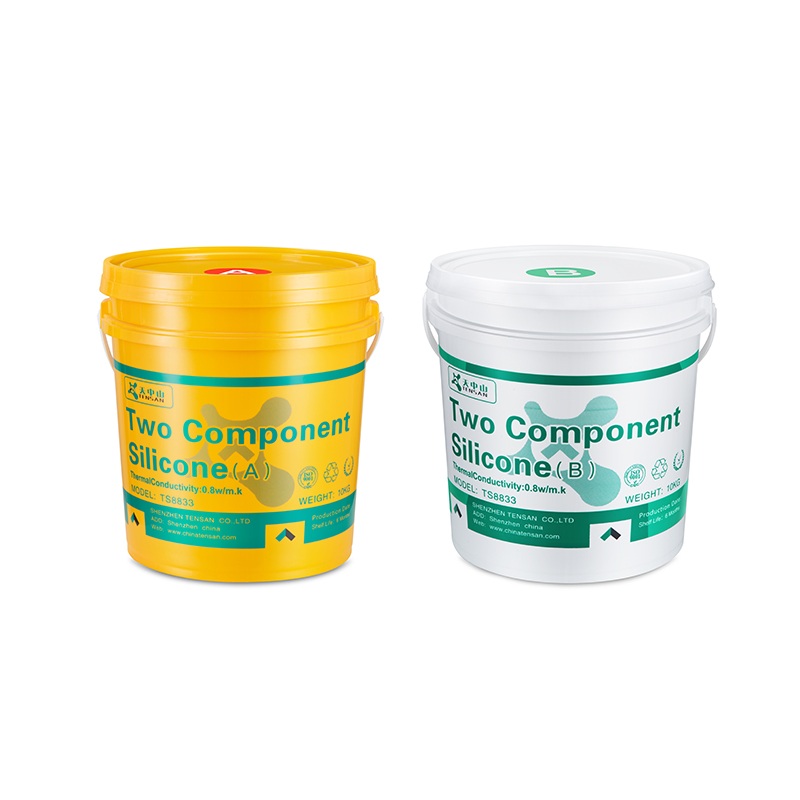
Thermal potting is suitable for general potting material for power supplies, connectors, sensors, industrial controls and transformers.
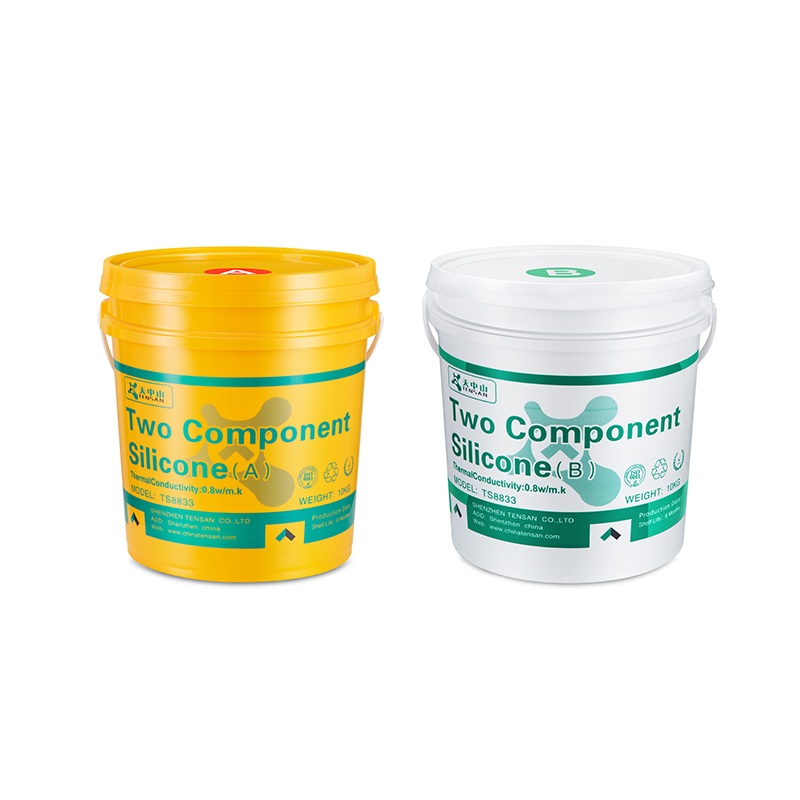
Termal potting Two-part, 1 to 1 mix, dark gray, general purpose encapsulant with good flowability and flame resistance.
> TS8800 Economical 1:1 Two-Part Silicone Potting Compound – Thermal Conductive Waterproof Encapsulant for LED Drivers, Bulk Price> TS8811 1:1 Two-Part Thermal Potting Silicone (0.6 W/m·K) – Flame-Retardant V1 Encapsulant for LED Drivers & Power Modules, Free Sample> TS8822 Easy-Mix Thermal Potting Compound – High Performance Encapsulant for LED Driver & Electronic Modules, Competitive Price
View More Electronic Silicone
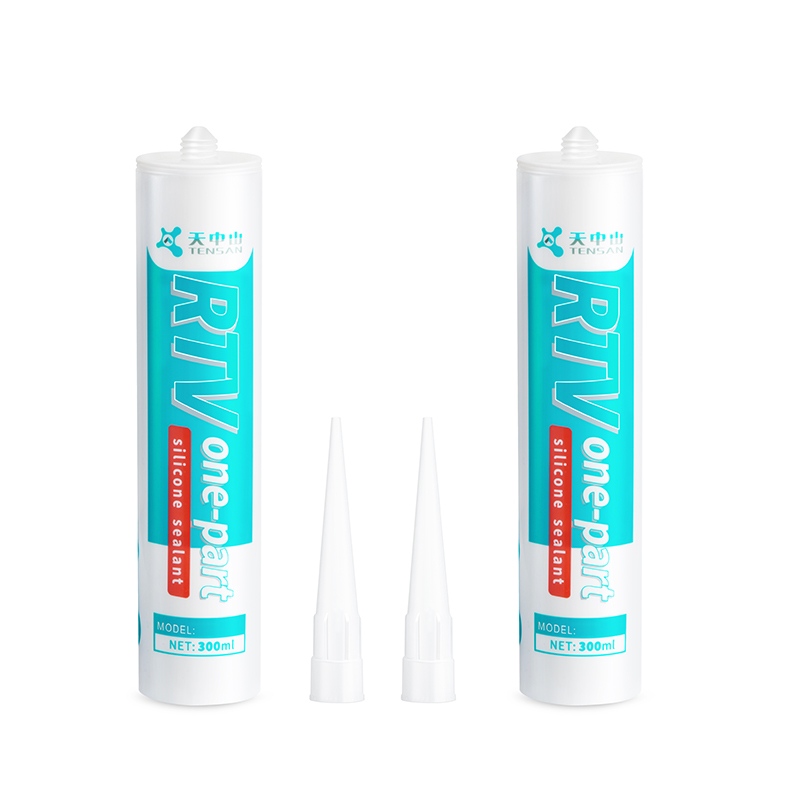
Neutral curing sealant for electronic devices, waterproof and corrosion resistant.
High performance neutral cure electronic silicone adhesive/sealant,One-part adhesive/sealant • Cures at room temperature when exposed to moisture in the air • Alkoxy cure system • Non-sag, paste consistency • Easy to apply • Cures to a tough, flexible rubber • Excellent adhesion to many substrates.
> T100 Ultimate PCB Bonding Adhesive - White Paste RTV Silicone, Waterproof , Shockproof, Fast Cure, Non-Sag, Free Samples> TS704 Precision Electronics Bonding Solution - White Semi-Flow RTV Silicone , Self-Levelling & Thin Layer, Waterproof, High Temp Resistant> TS5506 Pro-Grade Black RTV Adhesive for Power Modules & Heat Sinks , Extreme Temp Range (-40°C to 200°C)
View More Thermal Grease
A thermally conductive medium between electronic components (CPU/LED) and heat sinks, improving heat transfer efficiency.
Shenzhen Tensan is a professional manufactures of Thermal Grease. There may be a lot of Thermal Grease manufacturers out there, but not all Thermal Grease manufacturers are alike.Our professional expertise in manufacturing Thermal Grease has been honed over the past 10+ years.
Thermal grease is suitable for use as an interface material for a variety of mid to high end PCB system assemblies. Tensan thermally paste are grease like silicone materials, heavily filled with heat-conductive metal oxides. This combination promotes high thermal conductivity, low bleed and high-temperature stability. The compounds are designed to maintain a positive heat sink seal to improve heat transfer from the electrical device or PCB system assembly to the heat sink or chassis, thereby increasing the overall efficiency of the device.
> TS1001 Thermal Paste for Basic Consumer Electronics 1.0W/(m·K) - Good Insulation & Wholesale Low Cost> TS1002 Easy-to-Apply Thermal Grease for LED Lights 1.5W/(m·K) - Reliable Daily Cooling> TS1003 High-Efficiency Thermal Paste (Easy to Apply) 2.0W/mK for GPU & PCB Board Cooling
View More Silicone Elastomer
Shenzhen Tensan is a professional manufactures of Silicone Elastomer.There may be a lot of Silicone Elastomer manufacturers out there, but not all Silicone Elastomer manufacturers are alike.Our professional expertise in manufacturing Silicone Elastomer has been honed over the past 10+ years.
Silicone Elastomer is suitable for: • LED Lighting encapsulation • Power supplies • Connectors • Sensors • Industrial controls • Transformers • Amplifiers • High voltage resistor packs • Relays • Adhesive/encapsulant for solar cells • Adhesive handling beam lead integrated circuits during processing
> TS9911 Black Silicone Potting Compound - Special for Power Supplies, LED Appliances, Waterproof Insulation for Electronic Equipment> TS9922 White Silicone Potting Compound - Special for LED Luminaires, Electronic Devices, Non-Yellowing Waterproof Insulation> TS9933 High Transparency Non-Yellowing Silicone Elastomer - Special for LED Displays/Luminaires, Waterproof Insulation for Power Electronics
View More
About Us
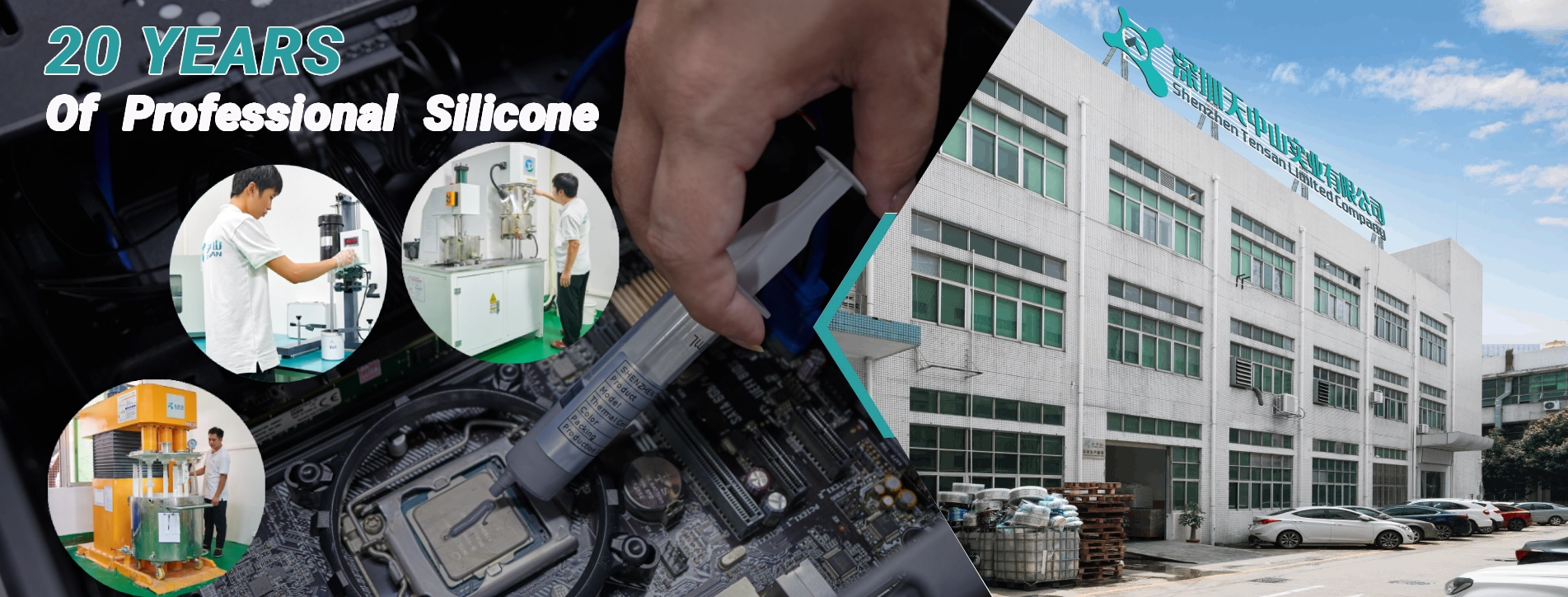
Shenzhen Tensan Co., Ltd. was established in July 2014 in Shenzhen Special Economic Zone. 0ur company, as one of the high-tech company, is professional engaged in organic silicone and sizing program R&D, manufacturing, sales and service. The company’s main products are thermal potting, thermal grease, thermal pad, electronic silicone and sizing program. Our products are mainly applied in electronic appliances industry, home appliances industry, lighting industry, automobiles industry, photovoltaic industry, mobile phone industry. Owing to The Belt and Road strategy, our company vigorously implement opening strategy to expand the Belt and Road. Branches and office have been opened in Thailand, Vietnam, India, the Philippines. Service localizing to improve company service efficiency. Our company firmly adhere to the profession creates value to provide excellent services for domestic and foreign customers with all-round silicone use and solutions.
Latest News
 10/07/2026
TENSAN | A Materials Science Guide to Encapsulation Compound Selection: Classification, Performance, and Application Scenarios
View MoreIn July 2026, TENSAN released a technical guide on encapsulation compound selection, systematically analyzing the performance differences and selection logic of three major systems—silicone, epoxy, and polyurethane—along with specialty compounds, aiming to help engineers in electronics, new energy, and automotive industries make scientific material choices and drive the evolution of packaging materials toward functional and intelligent solutions.
 09/07/2026
How to Select the Right Silicone Potting Compound
View MoreSilicone potting compounds provide flexible, durable protection for electronic assemblies. TENSAN offers a comprehensive range of formulations, but choosing the right one requires evaluating your specific application needs.
 07/07/2026
Detailed Explanation of the Selection Differences Between One-Component Silicone and Epoxy Adhesives
View MoreThe market offers a wide variety of one-component adhesives, primarily including silicone, epoxy resin, phenolic resin, and nitrile rubber. Among these, silicone and epoxy products are the most widely used. Different application environments, production processes, and bonding substrates vary significantly, resulting in different suitable adhesive models. This article, based on TENSAN's product application experience, provides a detailed analysis of the core performance differences between one-component silicone and epoxy adhesives, offering industry users precise and practical adhesive selection solutions.