




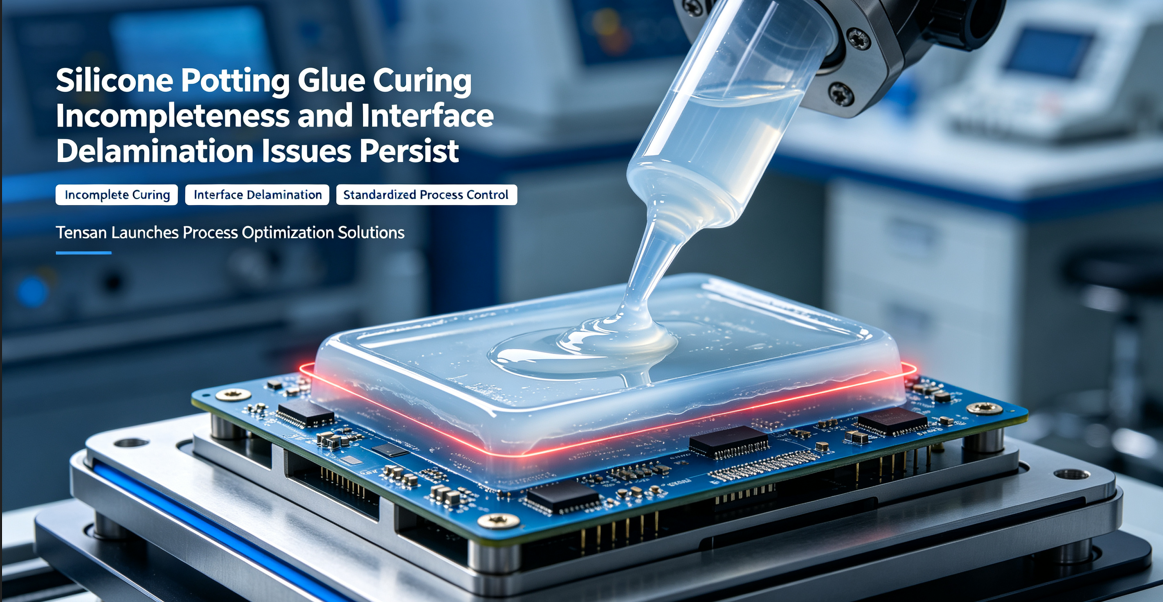
With the rapid development of the new energy vehicle, photovoltaic energy storage, and LED lighting industries, organic silicone potting glue, as a core protective material for electronic components, has seen its application scale continuously expanding. However, in actual production, in addition to common foaming issues, quality defects such as incomplete curing of the potting glue and interfacial delamination between the adhesive layer and the substrate are also troubling many manufacturers. TENSAN, drawing on years of technical accumulation and on-site service experience, has conducted in-depth analysis of the root causes of curing incompleteness and delamination, and has launched standardized operational solutions covering the entire process to help the industry improve potting quality.
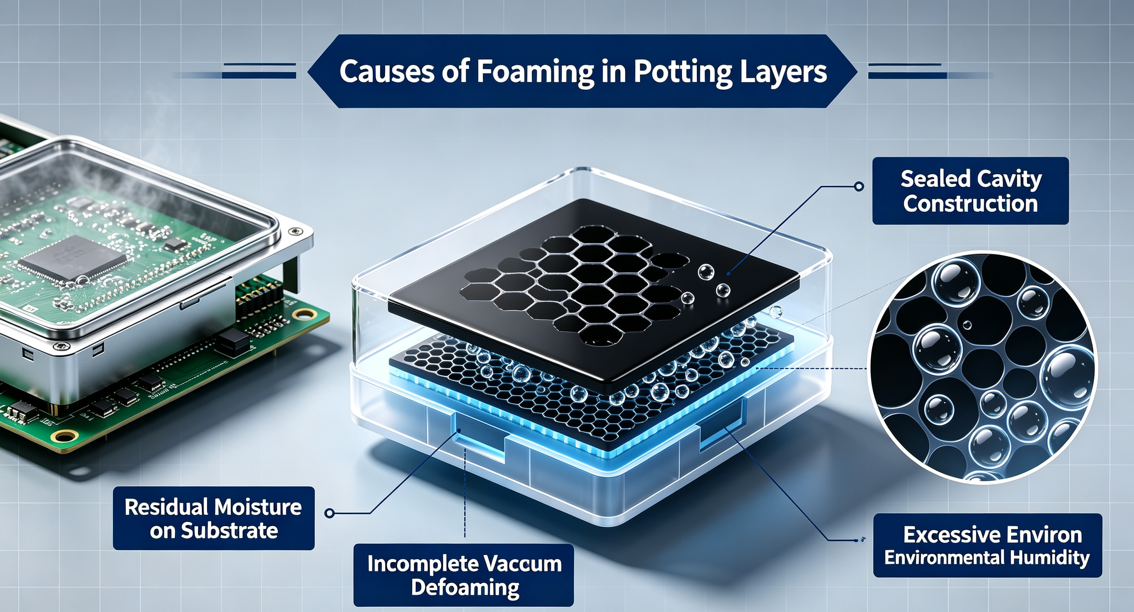
Organic silicone potting glue is widely adopted for waterproof, insulation and shock protection of new energy power supplies, automotive electronic control modules and LED drive boards. In actual construction, many manufacturers encounter foaming, honeycomb voids inside cured glue layers, which seriously reduce insulation and waterproof performance. This article analyzes the root causes of foaming and standardized operation solutions. I. Main Causes of Silicone Potting Foaming
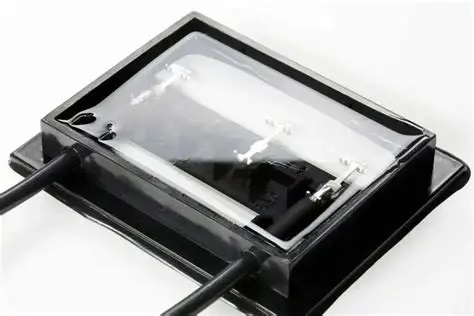
Selecting the right potting material for electronic assemblies is critical to ensuring long-term stability and reliability. The three mainstream potting materials on the market today are silicone, epoxy resin, and polyurethane. Each has its own advantages and disadvantages in terms of chemical structure, physical properties, and cost, making them suitable for different application scenarios. TENSAN offers a comprehensive range of potting solutions covering all three material systems, helping you precisely match the optimal product based on your specific application requirements.
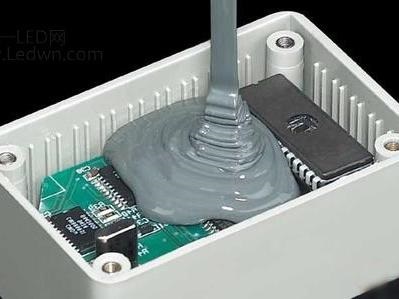
In July 2026, TENSAN released a technical guide on encapsulation compound selection, systematically analyzing the performance differences and selection logic of three major systems—silicone, epoxy, and polyurethane—along with specialty compounds, aiming to help engineers in electronics, new energy, and automotive industries make scientific material choices and drive the evolution of packaging materials toward functional and intelligent solutions.
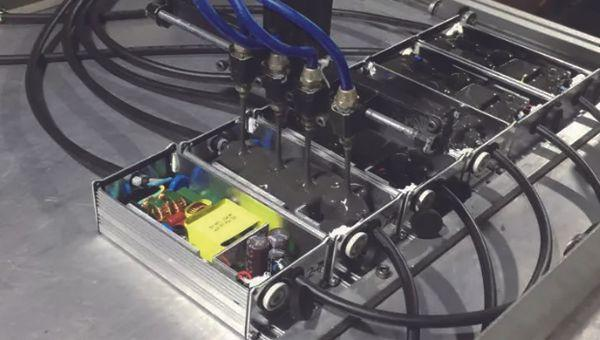
Silicone potting compounds provide flexible, durable protection for electronic assemblies. TENSAN offers a comprehensive range of formulations, but choosing the right one requires evaluating your specific application needs.
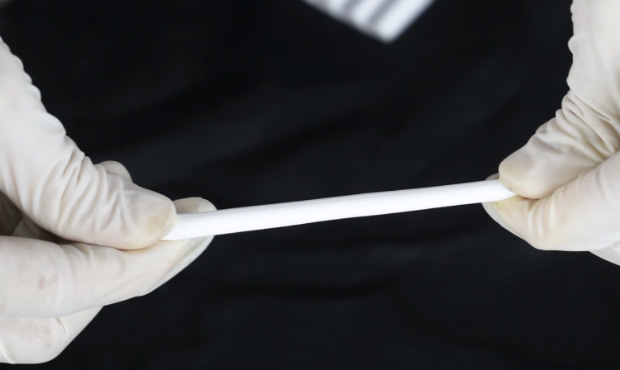
The market offers a wide variety of one-component adhesives, primarily including silicone, epoxy resin, phenolic resin, and nitrile rubber. Among these, silicone and epoxy products are the most widely used. Different application environments, production processes, and bonding substrates vary significantly, resulting in different suitable adhesive models. This article, based on TENSAN's product application experience, provides a detailed analysis of the core performance differences between one-component silicone and epoxy adhesives, offering industry users precise and practical adhesive selection solutions.