


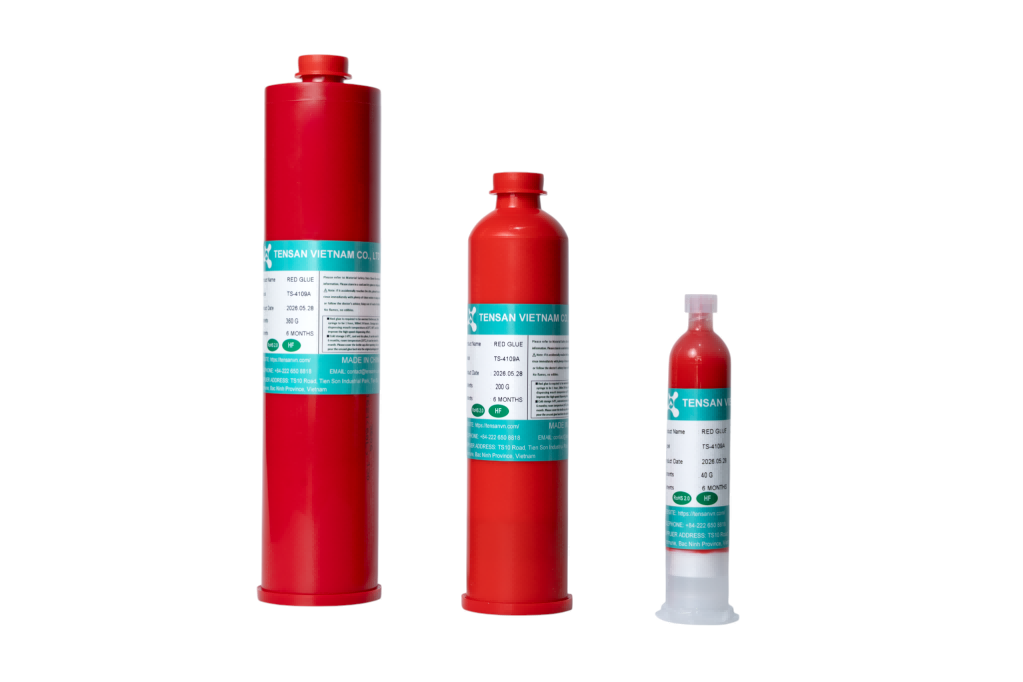


In industrial fields such as electronics manufacturing, new energy, and automotive, encapsulation compounds serve as critical materials for protective packaging, directly impacting equipment reliability, service life, and environmental adaptability. This article systematically reviews the core classifications, performance differences, and scenario-based selection logic of encapsulation compounds from a materials science perspective, providing a scientific basis for engineering material selection.
Types and Characteristics of Encapsulation Compounds
Core Functions and Technical Requirements
Encapsulation compounds fulfill three primary functions by filling voids in electronic components, PCBs, or mechanical assemblies:
Mainstream Encapsulation Compound Types and Performance Comparison
1. Silicone Encapsulation Compounds
Composition: Polysiloxane backbone with organic groups such as phenyl and vinyl.
Key Advantages:
✅ Wide operating temperature range (–60°C to 250°C continuous)
✅ High flexibility and tear resistance (elongation >200%)
✅ Excellent UV and chemical resistance
Limitations: Lower mechanical strength and weaker adhesion compared to epoxy resins.
2. Epoxy Resin Encapsulation Compounds
Composition: Epoxy groups + amine/acid anhydride curing agents.
Key Advantages:
✅ Very high hardness (Shore D >80) and adhesive strength
✅ Low shrinkage (<0.1%) ensuring dimensional stability
✅ Excellent solvent resistance and moisture barrier properties
Limitations: Brittle nature; poor resistance to thermal shock cycling.
3. Polyurethane Encapsulation Compounds
Composition: Polymerization product of isocyanates and polyols.
Key Advantages:
✅ Balanced elasticity and strength (Shore A adjustable from 50 to 90)
✅ Excellent low-temperature flexibility (remains ductile at –40°C)
✅ Repairable (local damage can be refilled with secondary encapsulation)
Limitations: Poor high-temperature resistance (long-term use <120°C).
4. Specialty Encapsulation Compounds
Conclusion
The selection of encapsulation compounds is fundamentally a precise alignment between material properties and application requirements. As emerging sectors such as new energy vehicles and AIoT devices impose higher demands on packaging materials,Tensan Co., Ltd.,remains committed to continuous material innovation, jointly driving the deployment of encapsulation products that integrate functionality, environmental sustainability, and intelligent features—serving as a key force behind industrial upgradin