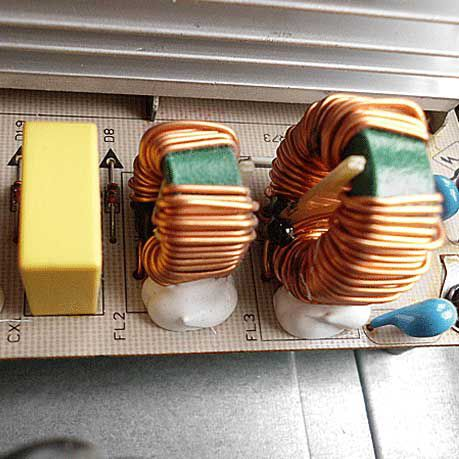



Electronic adhesives are specialized adhesives adapted for electronic products. Compared to ordinary glues, they possess superior temperature resistance and bonding strength. They are primarily used in the manufacturing and repair of electronic products to achieve rapid bonding, fixation, and various functional enhancements of components. As a subcategory of adhesives, their applications are wide-ranging, covering bonding, sealing, potting, coating, structural bonding, conformal lamination, and SMT assembly of electronic and electrical components. Product types are abundant, including hot melt adhesives, silicone adhesives, epoxy adhesives, UV adhesives, PUR adhesives, conductive adhesives, and anaerobic adhesives. The adhesive industry is currently in a phase of rapid development, with products continuously iterating and upgrading to features such as fast curing, single-component construction, high strength, high temperature resistance, solvent-free properties, low viscosity, environmental friendliness, energy efficiency, and multifunctionality.
The reason electronic components rely heavily on adhesives stems from their multi-dimensional functional value, which can be categorized as follows:
1. Protective Performance: Establishing a Solid Foundation for Component Stability
Adhesives provide a comprehensive protective barrier for electronic components, resisting mechanical stress, chemical corrosion, and humid environments. For example, fixative adhesives effectively prevent components from detaching under vibration and impact, while encapsulating solder balls to isolate them from moisture and slow down solder ball aging. Thermally conductive adhesives also block dust, moisture, vibration, impact, and chemical substances from damaging components, significantly improving the operational stability and lifespan of electronic devices.
2. Fixing Function: Enhancing Structural Connection Reliability
One of their core functions is to firmly fix electronic components to the circuit board, greatly enhancing the overall structure's shock and impact resistance. Taking chip soldering as an example, the application of thermally conductive adhesives ensures a tight connection between the chip and the circuit board, preventing detachment or poor contact due to external forces or long-term operation, thus ensuring the stability of circuit conductivity.
3. Functional Enhancement: Balancing Insulation and Thermal Conductivity Requirements
Some specialized adhesives possess special functions, providing assurance for the normal operation of electronic devices. Epoxy resin potting compounds possess excellent electrical insulation properties, making them suitable for potting and protecting electronic components in ambient temperatures. Thermally conductive adhesives, on the other hand, efficiently conduct heat from heat sources, preventing component damage due to overheating and ensuring stable equipment operation under load.
4. Scenario Adaptability: Meeting Diverse Application Needs
With technological advancements, the application scenarios for electronic products are becoming increasingly complex, placing higher demands on the performance adaptability of adhesives. High-quality adhesives not only meet basic bonding and fixing requirements but also need to possess properties such as high-temperature resistance, low-temperature resistance, moisture resistance, and chemical corrosion resistance, adapting to the harsh operating environments of consumer electronics, industrial control, automotive electronics, aerospace, and many other fields.
It is important to note that different electronic products have significantly different performance requirements for adhesives. When selecting adhesives, it is necessary to comprehensively consider core indicators such as adhesion strength, hardness, conductivity, insulation, temperature resistance, and chemical corrosion resistance, while also taking into account the compatibility of the adhesive with the materials of the electronic products to avoid adverse effects caused by chemical reactions. The scientific selection of electronic adhesives not only directly affects the performance of individual components, but also determines the reliability, safety, and lifespan of the entire electronic device.