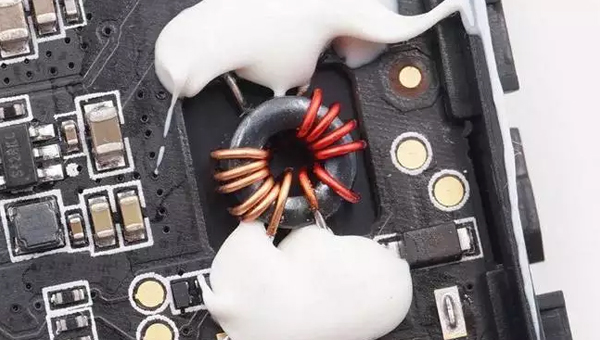

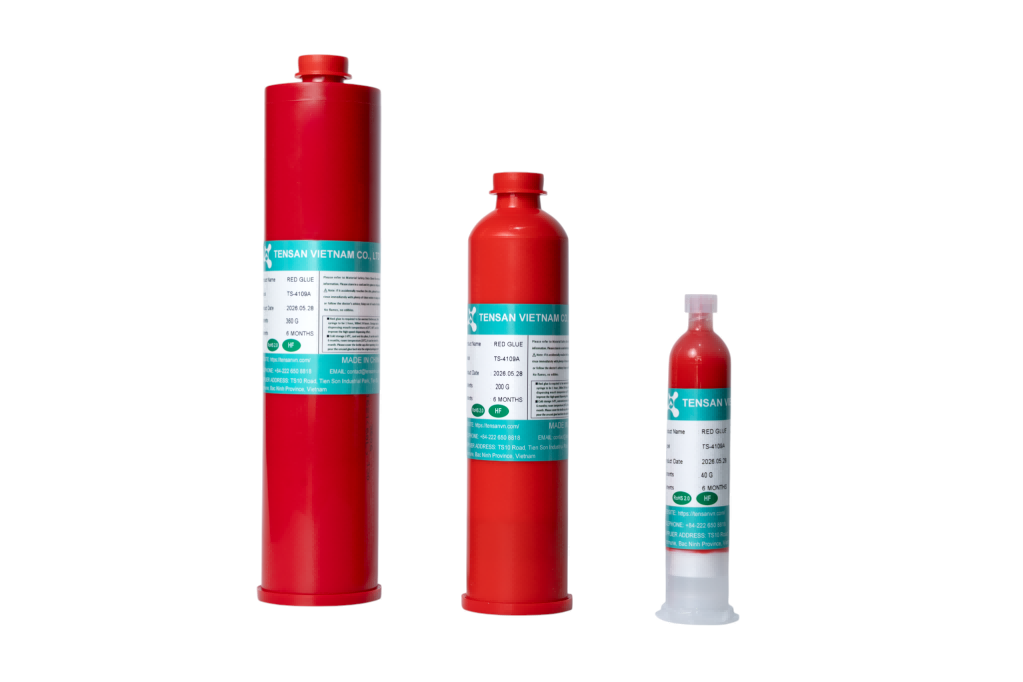


With industrial and technological advancement, silicone sealant has become an indispensable high-performance sealing material across various applications due to its outstanding comprehensive properties. The following outlines its core characteristics, corrosiveness towards metals and plastics, and protective measures.
I. Composition and Core Properties of Silicone Sealants
Silicone sealants utilise organosilicon polymers as their core matrix, offering a broad temperature tolerance range (-60°C to over 200°C) suitable for extreme conditions. They combine strong chemical resistance, excellent UV ageing resistance, waterproofing, moisture resistance, and superior electrical insulation, making them widely applicable across industries.
II. Corrosiveness of Silicone Sealants Towards Metals and Plastics
Their mild nature constitutes a core advantage. Under normal usage, they exhibit no corrosiveness towards the vast majority of metals and plastics. Furthermore, their strong adhesion and low volumetric expansion coefficient enable dual functions of sealing and protection. Corrosion risks stem from curing types, not the silicone material itself: Acid-curing (deacidification) types release acidic substances during curing, potentially causing minor corrosion on sensitive metals like copper or galvanised steel. Prolonged contact may also affect plastic surface gloss and performance. Neutral-curing (dealcoholisation or deoxidation) types release mild, non-corrosive by-products, making them the preferred choice for bonding and sealing metals and plastics.
III. Key Measures to Prevent Sealant Damage to Materials
1. Precise Selection: Prioritise neutral-curing types. Conduct preliminary sample testing for special plastics (e.g., polycarbonate PC) or rare metals to confirm compatibility.
2. Consultation and Testing: Consult manufacturers beforehand regarding substrate types and operating conditions to obtain selection recommendations. Conduct small-scale tests where necessary, observing for 24–72 hours to detect any substrate abnormalities such as discolouration or blistering.
3. Standardised Application: Apply evenly while controlling quantity, ensuring gaps are filled without excess sealant infiltrating pores or prolonged contact with non-bonded surfaces.
4. Substrate Pre-treatment: Clean bonding surfaces with anhydrous ethanol or acetone to remove grease and oxidation layers, then allow to air-dry. For highly sensitive substrates, apply a primer or employ coating/spacer isolation.
Silicone sealants hold significant application potential across construction, automotive, and other sectors. Understanding their corrosion characteristics and proper usage effectively mitigates risks while maximising sealing performance. For tailored product selection, contact us for customised recommendations and technical support.