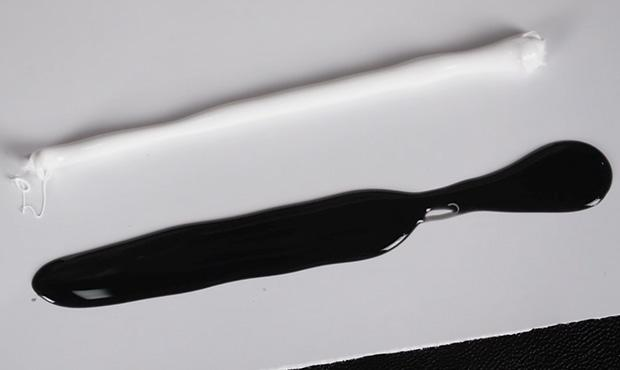



When using electronic sealants, deterioration may occur, manifesting as loss of basic adhesion, becoming too soft or too hard, making filling impossible, and ultimately losing its original sealing and protective properties. To avoid waste due to adhesive deterioration, preventative measures and proper storage are crucial.
I. Are Electronic Sealants Prone to Deterioration?
Whether electronic sealants are prone to deterioration is not solely determined by product quality, but more by usage methods and storage conditions. Improper handling or unsuitable storage environments can cause even high-quality products to deteriorate prematurely. Therefore, it is recommended to choose high-quality electronic sealants, strictly follow standardized procedures, and partner with reputable suppliers. These suppliers not only focus on electronic sealant R&D but also provide customized application solutions, with products widely applicable to various industries such as new energy, military, medical, aerospace, shipbuilding, electronics, automotive, instrumentation, power supply, and high-speed rail, ensuring higher quality.
II. How to Determine if Electronic Sealants Have Deteriorated?
Before use, a simple test can be performed to determine the adhesive's condition: check its adhesion, surface drying speed, and deep curing speed to ensure they match the product standards. If all performance indicators are normal, the adhesive is of good quality and can be used normally. If the adhesive shows obvious signs of thickening or drying, it is likely past its shelf life. In this case, its curing effect will be significantly reduced, failing to meet expectations, and continued use is not recommended.
III. Correct Storage Methods for Electronic Sealants
Electronic sealants should be stored in two ways: unopened and opened. The core principle is to avoid high temperatures, low temperatures, humidity, and contact with air. Specific requirements are as follows:
Generally, electronic sealants have a shelf life of 6-12 months. If stored according to specifications, even after the expiration date, they can still be used if their performance is unaffected by testing. However, if performance abnormalities occur, they must be replaced promptly to avoid impacting the quality of the application.