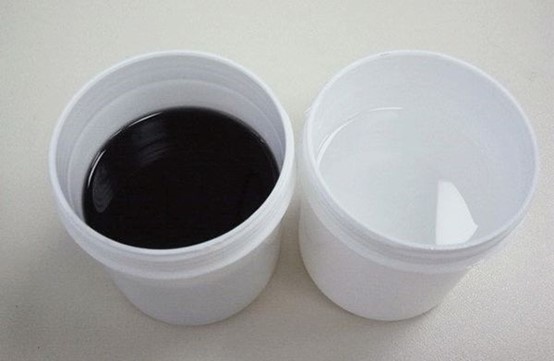
The performance of electronic encapsulation AB glue hinges on correct pouring operations and scientific curing techniques. Improper operation not only wastes materials but also severely impacts its core protective properties such as insulation, waterproofing, and shockproofing. Therefore, operators must master relevant practical skills to ensure the adhesive functions effectively.
I. Curing Method of Electronic Encapsulation AB Glue
The key to curing lies in accurate proportioning, uniform stirring, and temperature control. Specific procedures are as follows:
-
1. Accurate Proportioning and Stirring: Accurately weigh component A and component B according to the scientific proportions specified in the product instructions. Pour them into a clean container and stir evenly in the same direction using a dedicated stirring rod to ensure complete mixing of the two components, without lumps or separation.
-
2. Temperature Control: Curing temperature directly affects curing efficiency and requires adjustment of the operating environment according to the season. Higher ambient temperatures in summer result in shorter curing times; lower temperatures in winter extend curing times. If necessary, the temperature can be appropriately increased to ensure complete curing.
-
3. Detail Control: Avoid introducing air during mixing, and avoid vibration and collision after pouring. Keep the environment clean and dry, and prevent dust, moisture, and other impurities from affecting the curing effect.
II. Correct Pouring Steps for Electronic Encapsulation AB Glue
-
1. Surface Cleaning: First, thoroughly clean the surface of the electronic components and housings to be encapsulated, completely removing dust, oil, corrosive substances, and moisture. Ensure the surface is dry and clean to avoid impurities affecting adhesion and curing.
-
2. Component Mixing: Accurately weigh agents A and B according to the product specifications, pour them into a dry and clean container, and slowly stir in the same direction. Minimize the introduction of air during stirring until there are no bubbles, no streaks, and the color is uniform.
-
3. Degassing Treatment: After mixing, let the glue solution stand for 5-10 minutes to allow small air bubbles introduced during stirring to dissipate naturally. If large air bubbles exist or high potting precision is required, a vacuum pump can be used for degassing to ensure the glue solution is free of air bubbles before pouring.
III. Recommendations for Selecting Electronic Encapsulating AB Glue
Electronic encapsulating AB glues have a wide range of applications. When selecting them, it's crucial to consider multiple factors to choose a product that offers high cost-effectiveness and meets your specific needs. Prioritize product quality, core performance characteristics (such as insulation, temperature resistance, and water resistance), product advantages, and price, while also considering the supplier's service level.
In summary, choosing high-quality electronic encapsulating AB glues, combined with standardized pouring procedures and scientific curing techniques, can effectively extend the lifespan of electronic components, fully realize their protective value, and provide reliable protection for various electronic products.