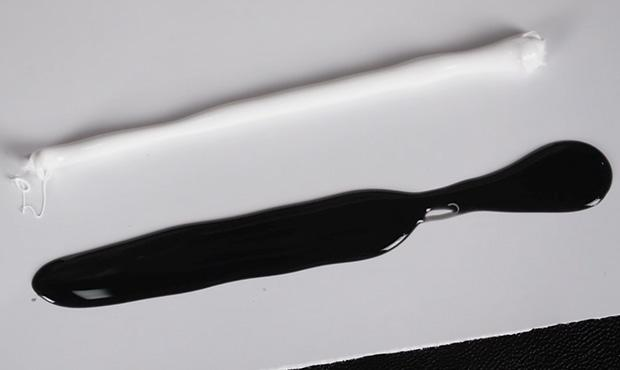



High-quality sealants must possess two core characteristics: low viscosity and strong adhesion. Low viscosity effectively extends application time and reduces material waste; excellent adhesion ensures tight bonding to the substrate surface, significantly improving sealing and fixing effects.
Many users wonder if pre-application testing is necessary before using the sealant. The answer is yes. When possible, always conduct a small-area test to verify the actual performance and ensure stable and reliable subsequent batch applications.
I. Basic Physicochemical Performance Testing
Inspect the sealant's appearance, color, and gel form to check for impurities and foreign matter; measure the gel density to confirm suitability for industrial applications; accurately test the product's viscosity and curing rate to obtain precise and practical parameters for different application conditions.
II. Comprehensive Compatibility Performance Testing
Verify the sealant's main components and hardener formulation to confirm perfect material properties and compatibility with the substrate to be bonded; comprehensively test all basic performance characteristics to ensure stable performance output under various application conditions. Simultaneously, a preliminary survey of the construction environment is conducted to determine the on-site temperature, humidity, and pressure conditions, selecting the optimal application environment for the sealant to maximize its sealing effect.
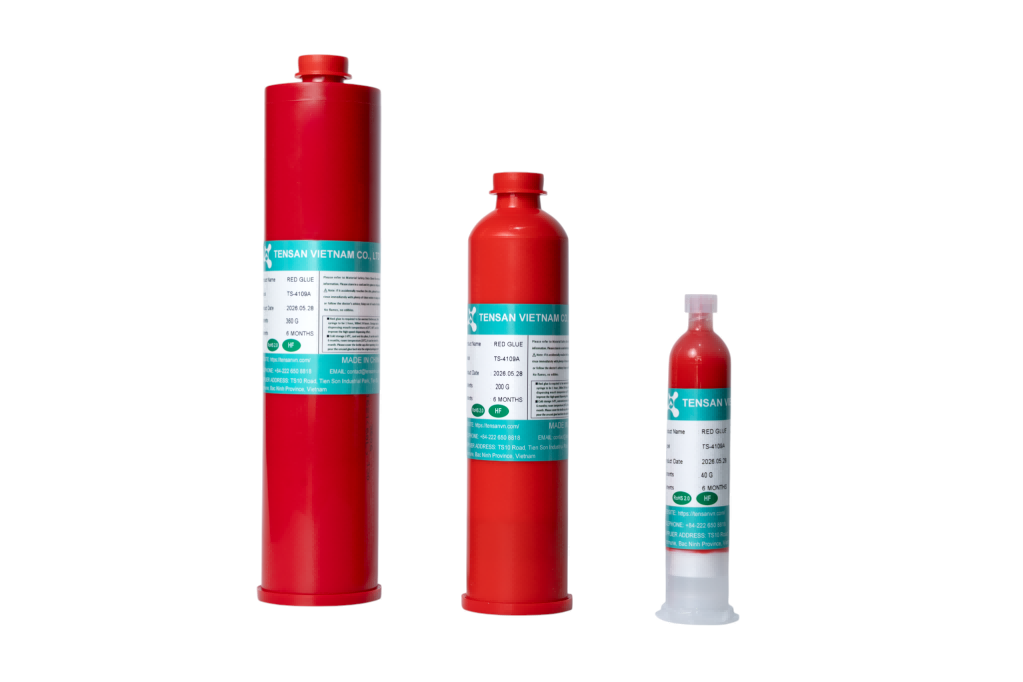
TENSAN, a company with deep expertise in the sealant field, offers customized sealant application solutions. Its products are highly adaptable and widely used in numerous industries, including new energy, military, medical, aerospace, shipbuilding, electronics, automotive manufacturing, precision instruments, power equipment, and high-speed rail transportation.
III. Mechanical Tensile Strength Testing
After the sealant is fully cured, it is crucial to test its tensile and tear resistance to ensure that the sealant does not easily break or detach under stress. If the tensile strength is insufficient, the sealant is prone to edge cracking under external force, and the gradual spread of cracks will directly lead to a loss of sealing and protective function, affecting the overall performance.
Before large-scale application, it is recommended to complete comprehensive performance testing: conduct bonding tests on different substrate materials, measuring bond strength, curing time, and various practical properties to determine the optimal mixing ratio and construction process. This ensures that the sealant's core performance remains stable and meets standards while strictly controlling material costs and reducing waste.