

Industry dynamic

Thermal Paste Function and Correct Usage

2026-05-19 - Leave me a message

Many people are unclear about the actual use of thermal paste. It primarily fills the tiny gaps between heat dissipation devices and heat-generating chips, sealing the contact surfaces and significantly improving heat conduction efficiency. This allows heat dissipation components to fully utilize their heat dissipation capabilities, contributing to stable heat dissipation of electronic components.


I. Is Thermal Paste Effective?

The heat dissipation and heat conduction function of thermal paste is crucial. Without thermal paste to fill and adhere the components, there will be large air gaps between the heat dissipation device and the heat-generating element. Air has extremely poor thermal conductivity, making it difficult for heat to dissipate quickly, easily causing equipment to overheat and stall, performance degradation, and even shortening the lifespan of electronic components.

High-quality thermal paste has a high thermal conductivity, allowing it to tightly adhere to two contact surfaces, quickly dissipating the high temperatures generated during operation, ensuring long-term stable operation of equipment at low temperatures. It is widely applicable to heat dissipation scenarios in various industries such as new energy, automotive electronics, precision instruments, power supplies, and military digital products.


II. Correct Application Method for Thermal Paste


  • 1. Clean the Base Surface: First, clean the chip surface and heat sink base, removing old thermal paste, dust, and oil, ensuring the contact surface is clean and flat.
  • 2. Precise Measurement: Squeeze out an appropriate amount of thermal paste. Do not use excessive amounts; a grain-sized amount is sufficient for most chips.
  • 3. Proper Application: Avoid the incorrect method of rubbing in circles. Use a hard card or plastic spatula to spread the thermal paste evenly from the center outwards at a uniform speed, forming a thin, even film that completely covers the chip's contact surface.
  • 4. Cleaning Up Excess: If thermal paste overflows from the component's edge, immediately wipe it clean with a lint-free cloth to prevent it from contaminating the circuit and causing short circuits.


III. Precautions for Using Thermal Paste
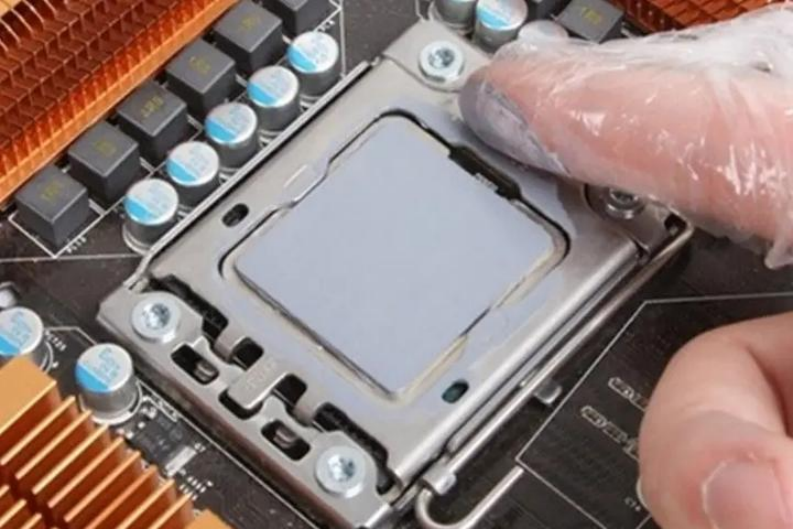

  • 1. Thermal paste is a non-curing heat dissipation additive. After application, it can be directly assembled and pressed together. The installation pressure helps to ensure a tighter adhesion and better heat dissipation.
  • 2. Core Principles of Application: Thin and even, free of air bubbles and impurities. The thinner the paste layer, the higher the heat dissipation efficiency. An excessively thick layer will hinder heat transfer and waste material.
  • 3. During routine maintenance and replacement, be sure to thoroughly remove any dried-out old thermal paste before applying new paste to ensure that heat dissipation is not affected.


Send Inquiry


X
We use cookies to offer you a better browsing experience, analyze site traffic and personalize content. By using this site, you agree to our use of cookies. Privacy Policy
Reject Accept