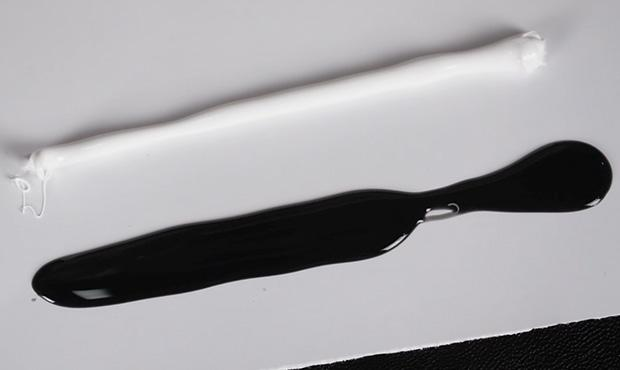



During the use of silicone sealant, problems such as detachment, breakage, and incomplete curing often occur. These are mostly due to improper operation or failure to adapt to suitable usage conditions, directly affecting the curing effect and overall performance. The following details the standard application methods and limitations.
I. Silicone Sealant Application Methods
Silicone sealants are mostly single-component products, simple to use, and can cure at room temperature. The specific steps are as follows:
1. Substrate Pre-treatment: Thoroughly clean the surface of the substrate to remove oil, dust, rust, and other impurities, ensuring the surface is clean and free of contaminants. Stubborn stains can be wiped with a professional cleaning agent. If necessary, lightly sand the substrate surface with sandpaper to improve the adhesion of the sealant.
2. Application: Apply the sealant directly using a caulking gun, spreading it evenly on the bonding surfaces. When bonding the two surfaces, gently press to expel internal air, avoiding gaps and ensuring good adhesion and curing.
3. Excess Adhesive Cleaning: After application, promptly wipe away any excess adhesive with a cloth or paper towel. If the adhesive has hardened, gently trim and clean it with a blade to ensure a neat appearance.
4. Room Temperature Curing: After application, allow the object to cure naturally at room temperature. Only proceed with subsequent application operations after the adhesive has fully cured and its performance has stabilized.
II. Limitations on Silicone Sealant Use
Silicone sealant is not universally applicable. Specific environmental, substrate, and application requirements exist, as follows:
1. Ambient Humidity Limitations: It cannot be used in environments with prolonged immersion in water. Application on damp or frost-prone substrates is also prohibited, as it will severely reduce bond strength, leading to weak adhesion and detachment.
2. Curing Environment Limitations: It cannot completely cure in a completely enclosed space. The application environment must ensure adequate air circulation to meet the basic conditions for adhesive curing.
3. Substrate Condition Restrictions: The substrate surface must be dry, clean, and free of water, impurities, and oil. Otherwise, the adhesive bonding effect will be directly affected, resulting in blistering and detachment.
4. Application Temperature Restrictions: Application must be stopped when the substrate surface temperature exceeds 40℃. Continue application only after the temperature has dropped to a suitable range. High temperatures will interfere with the adhesive curing reaction, damaging bonding and sealing performance.
5. Product Quality Restrictions: The use of inferior or expired sealants is strictly prohibited. Not only will their bonding performance be substandard, but they may also corrode the substrate. It is recommended to use high-quality products. High-quality silicone sealants have strong compatibility and can be widely used in new energy, electronics, automotive, aerospace, medical, shipbuilding, and many other industries. Customized application solutions are also available, ensuring more stable and reliable use.
In summary, silicone sealants must be applied strictly according to the specified procedures, avoiding restricted scenarios and adapting to the application conditions to fully realize their sealing and bonding performance and avoid various usage failures.