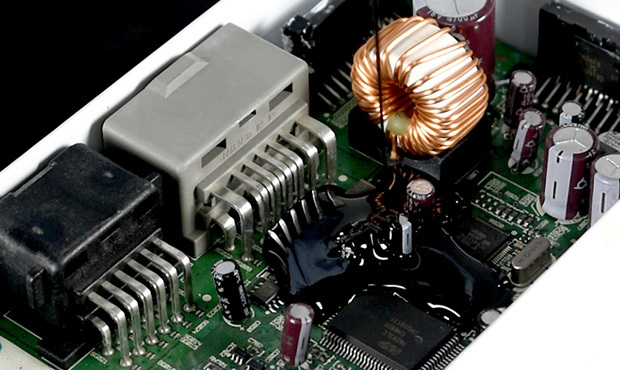
Potting compounds are indispensable bonding and protective materials in the manufacturing of electronics, electrical appliances, and industrial control equipment. Available in a wide variety of formulations suited to different operating conditions, they serve as critical materials for internal equipment protection.
High-quality potting compounds offer excellent comprehensive performance. Once cured, they provide waterproofing, moisture resistance, and resistance to acid and alkali corrosion. They also feature superior resistance to temperature extremes, high insulation properties, and shock/compression resistance. Widely used in sectors such as electronic components, new energy equipment, automotive electronics, and precision instruments, they ensure the long-term, stable operation of internal components.
Distinctive Characteristics of Inferior Potting Compounds
-
1. Non-compliance with environmental standards: Often produced using cheap, low-grade raw materials, these products are inexpensive and attractive in price. However, they usually lack environmental certifications; they tend to release unpleasant odors and harmful substances during use, posing health risks during both production and long-term operation.
-
2. Weak protective performance: They offer poor waterproofing and moisture resistance after curing. Even if they meet standards initially, their poor breathability severely hinders heat dissipation from components, making internal circuits and chips prone to overheating and burnout, thereby drastically shortening the equipment's lifespan.
-
3. Insufficient insulation: While they may provide minimal basic insulation, their insulation strength and voltage withstand ratings fall far short of industry standards. In energized or high-voltage environments, they are highly susceptible to current leakage and dielectric breakdown, creating significant electrical safety hazards.
-
4. Poor aging resistance: They exhibit weak resistance to UV radiation, temperature fluctuations, and weather conditions. They age rapidly once put into service, showing signs of yellowing, hardening, and cracking within just a few months; their protective capabilities quickly deteriorate, rendering them ineffective.
-
5. High curing shrinkage: The material shrinks significantly during curing and is highly sensitive to thermal expansion and contraction caused by temperature fluctuations. This leads to issues such as delamination, gaps, and voids, preventing a tight bond with components and causing a complete failure of the sealing and protection function.
Level of Usage Risk
The use of inferior potting compounds carries extreme risk; they are by no means a wise choice for cost savings. In minor cases, this leads to poor heat dissipation, frequent malfunctions, and repeated repairs; in severe cases, it can trigger safety incidents such as electrical leakage, short circuits, or fires. Such issues not only drive up long-term maintenance costs and damage product quality and market reputation but can also result in serious workplace safety accidents.
When purchasing potting compounds, do not simply prioritize low prices. Instead, opt for legitimate products with proven quality and full certification to ensure long-term operational stability and fundamentally eliminate potential usage hazards.