

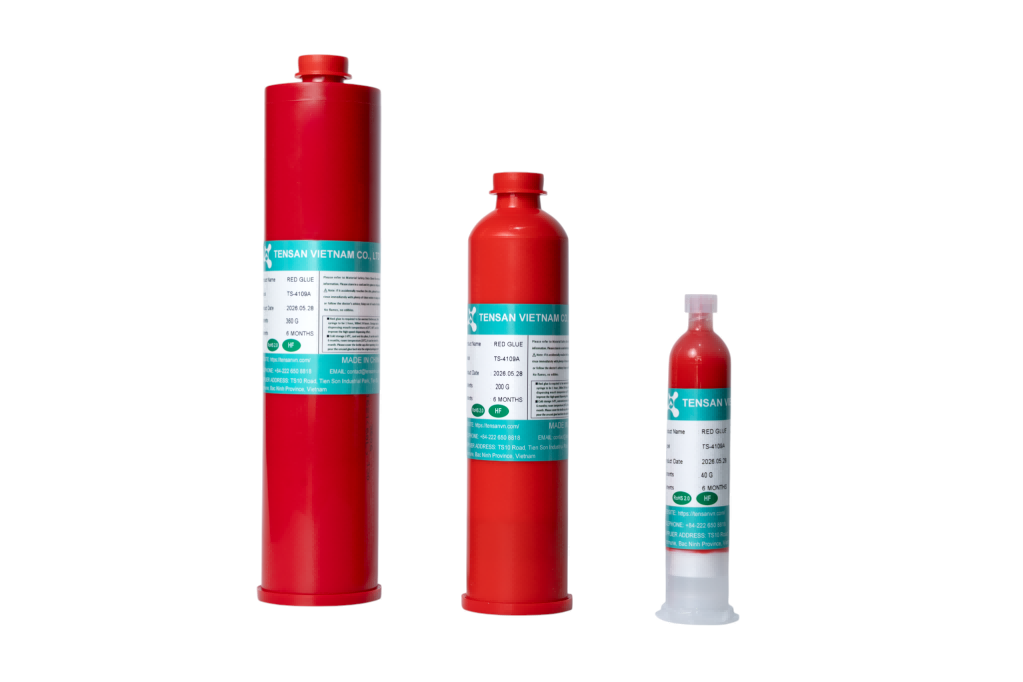


Silicone sealant is a one-component sealing material that self-cures upon contact with air. It possesses excellent elasticity and hardness, is not easily deformed during use, and exhibits stable performance, meeting long-term application requirements.
Compared to other adhesives, silicone sealant offers high utility and wide applicability. It effectively bonds to a variety of materials and boasts excellent tensile properties—it does not easily deform even under significant tensile and compressive forces, effectively resisting stretching and tearing, providing reliable protection.
In addition to its tensile strength, silicone sealant also exhibits outstanding weather resistance, adapting well to alternating hot and cold environments. Even with significant temperature fluctuations, it remains unaffected and is less prone to breakage or detachment. Furthermore, it is moisture-proof, waterproof, and ozone-proof, maintaining stable performance even in harsh natural environments. As long as the bonded materials are not particularly special, it can fully leverage its advantages.
Silicone sealants have a wide range of applications, including new energy, military, medical, aerospace, shipbuilding, electronics, automotive, instrumentation, power supply, and high-speed rail. Partnering with a reputable supplier (such as TENSAN) provides greater assurance, as this brand specializes in silicone sealant research and can offer customized application solutions.
It's important to note that silicone sealants have certain environmental limitations and are not suitable for use in the following scenarios: areas with prolonged immersion in water, bonding with materials containing grease, excessively humid environments, completely sealed environments, and unclean bonding surfaces. Avoiding these environments will ensure optimal performance.
Furthermore, silicone sealants are temperature-sensitive during application. The substrate temperature should not exceed 40°C. If this temperature is exceeded, application must be stopped immediately to avoid affecting the bonding effect and product performance.