


In the electronics and electrical appliance manufacturing industry, sealants are an indispensable core auxiliary material, and they can be classified in various ways. According to the vulcanization method, they can be divided into wet air vulcanizing sealants and thermoforming sealants; according to the form, they can be divided into paste sealants and hot melt sealants; according to the application method, they can be divided into curing sealants and non-curing sealants. This rich variety can adapt to different application scenarios.
I. The Value of Sealants
The advent of sealants has greatly optimized the manufacturing processes of electronics and electrical appliances. Proper use can endow equipment with multiple superior performance characteristics, significantly improve the operational stability of electrical appliances, and extend the overall service life of equipment. This product has extremely high adaptability, can conform to any shape of the sealing surface to fill gaps, and has excellent stability during application, does not easily flow, and can fully fill various tiny gaps. After curing, it forms a stable protective layer with multiple protective effects such as waterproofing, moisture resistance, sound insulation, and heat insulation.
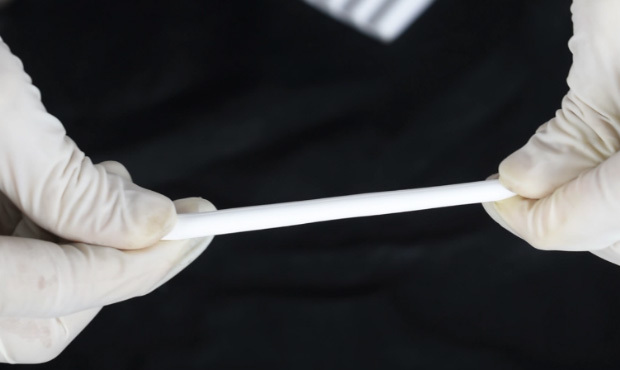
At the same time, the cured sealant has excellent adhesion, combining bonding and fixing functions, and is widely used in processes such as bonding and fixing internal components of electrical appliances and sealing the outer casing of equipment. Its excellent elasticity after curing effectively buffers vibrations, meeting the shock-resistant and damage-resistant requirements of electrical equipment and providing comprehensive protection for delicate internal components.
II. Reasons for the Widespread Use of Sealants
1. Excellent Sealing Performance: After curing, sealants form a highly efficient sealing layer, achieving an ideal "breathable but waterproof" seal. They precisely seal the tiny gaps in various substrates, preventing moisture, dust, and impurities from entering the equipment, providing robust and reliable protection.
2. Safe, Environmentally Friendly, and Non-Damaging: High-quality sealants, after curing, do not corrode or damage metal substrates and meet environmental standards. They are safe and harmless for use in household appliances, do not release harmful volatile substances, and do not endanger human health. They are suitable for civilian use and various precision equipment production scenarios.
Furthermore, sealants come in a wide variety of types and performance profiles. Products of different hardness and types can be adapted to different application scenarios, and customized development can be carried out according to specific customer needs. Reputable suppliers can provide exclusive sealant application solutions, with products applicable to a wide range of fields, including new energy, military, medical, aerospace, shipbuilding, electronics, automotive, instrumentation, power supply, high-speed rail, and many other industries.