


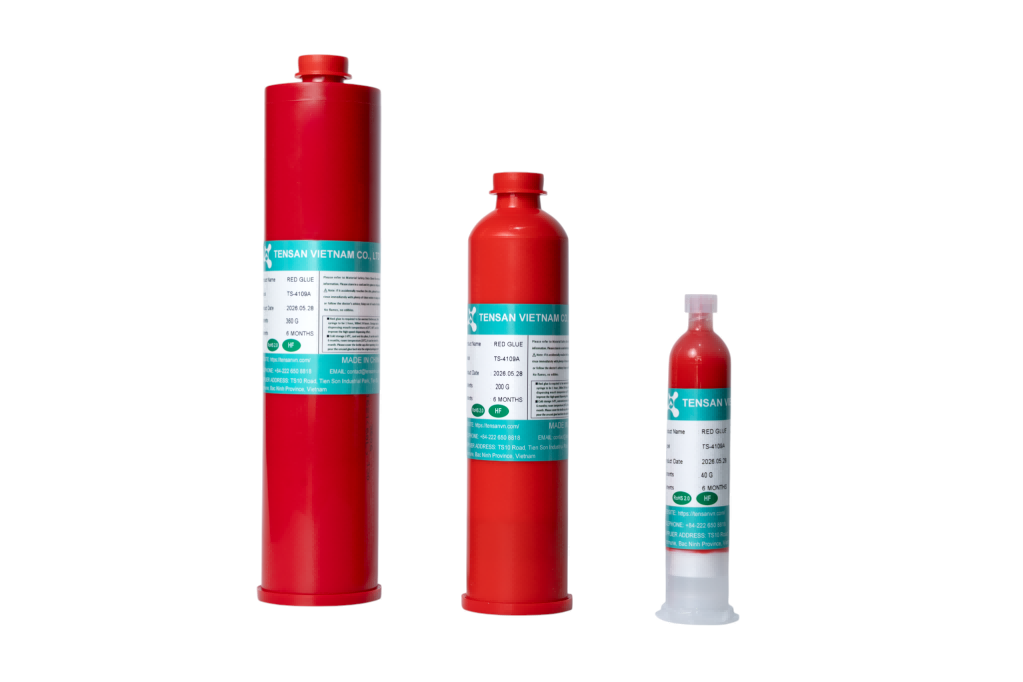


As power densities in new energy vehicle traction inverters, onboard chargers, and energy storage systems continue to climb, the role of silicone potting compounds is undergoing a fundamental transformation. Industry experts now widely recognize that these materials have evolved from passive protective barriers into active thermal management components—a shift that is reshaping formulation strategies, application methodologies, and material selection criteria across the sector.
Thermal Conductivity Race Intensifies
The most visible manifestation of this trend is the escalating demand for higher thermal conductivity. According to recent market analysis, the global thermally conductive silicone potting compound market is projected to grow from USD 495.8 million in 2026 to USD 784.3 million by 2034, representing a compound annual growth rate of 5.9%. Advanced silicone encapsulants now regularly achieve thermal conductivity exceeding 3.0 W/mK—a significant leap from standard materials that directly addresses the heat dissipation challenges of next-generation power devices.
This performance race is being accelerated by the industry's transition to wide-bandgap semiconductors such as gallium nitride (GaN) and silicon carbide (SiC), which operate at higher temperatures and frequencies, creating an urgent need for advanced thermal interface materials with superior performance. The fundamental challenge lies in reconciling two intrinsically difficult-to-combine functionalities: efficient heat dissipation and reliable dielectric insulation.

Material Innovation: Tackling the Sedimentation Challenge
At the forefront of this innovation wave, WACKER recently unveiled its ELASTOSIL® RT 7616 TC and ELASTOSIL® RT 7624 TC potting compounds at the Battery Show in Stuttgart, offering thermal conductivities of 1.6 W/mK and 2.4 W/mK respectively. What sets these products apart is not merely their thermal performance but their optimized rheology, which minimizes filler sedimentation—a longstanding pain point in the industry.
Traditional thermally conductive potting compounds suffer from a critical weakness: the particulate fillers that enable heat conduction tend to sediment and cake at the bottom of containers after prolonged storage, requiring time-consuming redispersion processes or even specialized mixing equipment. WACKER's new formulations have been engineered so that sedimentation and agglomeration effects are no longer relevant to customers; even if fillers settle under unfavorable transport and storage conditions, they can be easily redispersed using standard mixing equipment.
With viscosities of 5,500 and 8,000 mPa•s respectively, these room-temperature-curing products can fill gaps as small as a few hundred micrometers quickly, reliably, and bubble-free. Primary applications include battery chargers, DC/DC converters, and inverters for thermal management of discrete electronic components such as coils and inductors.
Thermal Runaway Protection: The New Safety Frontier
Beyond routine thermal management, the industry is placing unprecedented emphasis on extreme-event protection. China's updated GB 38031-2025 battery safety standard, which took effect in July 2026, has tightened requirements for containing corrosive gases, heat, and pressure generated during thermal runaway events.
In response, material suppliers are developing ceramifying silicone technologies that form protective ceramic layers when exposed to extreme heat. WACKER's thermal runaway testing demonstrates that a protective barrier can reduce radiant heat from a 1,300°C flame to below 150°C. These ceramifying silicone formulations significantly improve the heat and flame resistance of thermal barriers while maintaining electrical insulation.
Similarly, WEVO has introduced its liquid silicone rubber solution WEVOSIL 23130 for reliable sealing of battery housings against released gases and smoke during thermal runaway events, with adhesive strength exceeding 2 MPa to maintain geometry when internal gas pressure spikes.
Market Dynamics: From Auxiliary to Core Component
The shifting perception of potting compounds is reflected in market data and industry discourse. In Q1 2026, global demand for new energy vehicle-specific thermally conductive silicone reached 80,000 tons, a 62% year-on-year increase. Each electric vehicle now uses 5–8 kilograms of thermally conductive silicone for battery gap filling, heat sink bonding, and waterproof sealing.
Industry analysts note that thermally conductive potting compounds have been upgraded from auxiliary materials to core functional components. Engineers are increasingly focused on complete thermal management systems and long-term reliability rather than treating thermal conductivity as a standalone metric. The consensus is clear: effective thermal management is no longer optional but essential to how EVs perform.
The Road Ahead
As the new energy sector continues its rapid expansion, the demands on silicone potting compounds will only intensify. The industry is moving toward higher performance and multifunctional materials—thermally conductive, flame-retardant, and low-stress encapsulants that can simultaneously provide electrical insulation, mechanical protection, and active heat dissipation. Stricter environmental regulations are also encouraging the development of low-VOC and eco-friendly products.
For electronics manufacturers, the message is clear: selecting a potting material with adequate thermal conductivity is no longer sufficient. The entire thermal management ecosystem—from material formulation and storage stability to application processes and long-term reliability—must be considered holistically. As one industry expert put it, "Every 10°C rise in operating temperature roughly doubles the failure rate, or halves the lifetime, of many electronic components". In an era of ever-increasing power densities, that is a risk no manufacturer can afford to ignore.