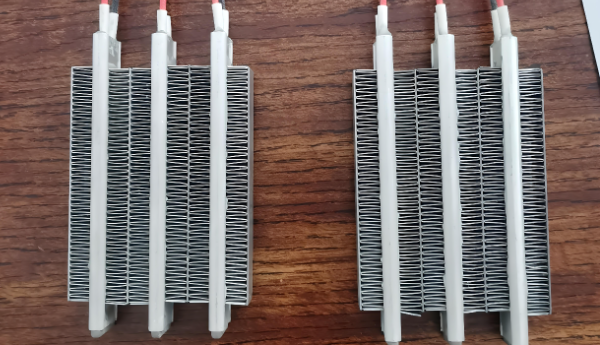

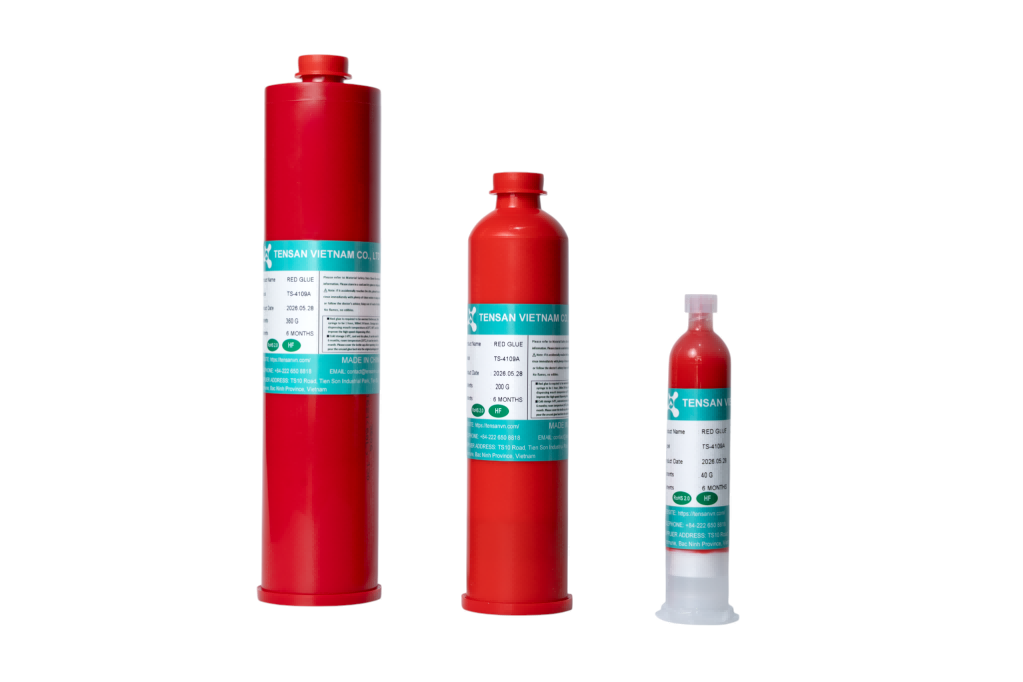


The adhesive industry is diverse, with different brands and specifications exhibiting significant differences in adhesive performance and applicable scenarios. Sealants, based on their curing methods, can be broadly categorized into silicone and two-component sealants. These differ in curing principles, application methods, and application areas, catering to various usage needs. Among various sealants, silicone sealants, due to their stable overall performance, are widely used across multiple industries, and their adhesive performance and core performance characteristics are of great interest.
I. Adhesive Performance of Silicone Sealants Before curing, silicone sealants are in a paste-like state with a uniform texture, facilitating application.
After complete curing, they exhibit excellent and stable adhesive performance. This sealant possesses inherent elasticity and excellent tensile properties after curing, resulting in extremely strong adhesion and suitability for sealing various substrates.
II. Key Performance Characteristics of Silicone Sealants
Silicone sealants are suitable for various industrial applications due to their excellent overall performance after curing. The following three properties are key indicators that the industry focuses on when selecting and applying them:
1. High-strength Universal Adhesion
Adhesion performance is a core advantage of silicone sealants. High-quality silicone sealants have good adhesion compatibility with various common substrates such as metals, plastics, and glass, exhibiting high bond strength and good fit.
2. Stable Electrical Insulation Performance
The core application of silicone sealants is the bonding and sealing of electronic and electrical components; therefore, insulation performance is a crucial requirement. Properly manufactured silicone sealants possess excellent and stable insulation properties after curing, effectively isolating circuits, eliminating safety hazards such as leakage and short circuits, and comprehensively ensuring the safety and stability of electrical equipment operation, adapting to the manufacturing needs of various high and low voltage electrical appliances.
3. Safe, Environmentally Friendly, and Non-Corrosive Performance
High-quality silicone sealants have a high environmental protection rating, releasing no harmful substances after curing and posing no harm to human health. Meanwhile, the colloid's chemical properties are stable, and it will not corrode electronic components, metals, plastics, or other substrates. It can effectively protect the substrate structure, preventing problems such as substrate damage and accelerated aging during long-term use. It is suitable for scenarios with stringent safety and environmental protection requirements, such as medical and home electronics.
III. Selection Considerations
It is important to note that even within the same brand of silicone sealant, different specifications and models may have slight differences in adhesive strength, insulation performance, and waterproofing performance. Therefore, when purchasing, it is necessary to accurately select the type based on the specific electrical equipment's process standards, usage environment, and performance requirements to fully realize the sealant's value and ensure that the product's sealing, bonding, and protective effects meet standards.