

Industry dynamic

Guide to Selecting Silicone Silicone Potting for Electronic Products

2026-05-25 - Leave me a message

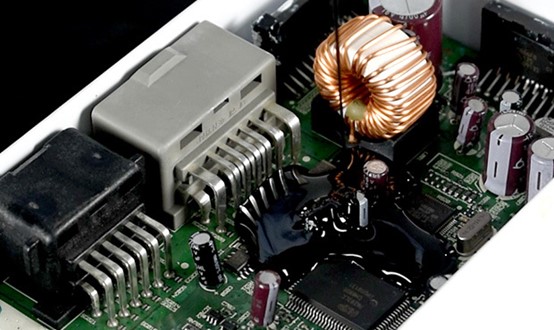
Silicone potting are widely used functional adhesives in the electronics industry. With their excellent thermal conductivity, heat dissipation, waterproofing, moisture resistance, and electrical insulation, they provide comprehensive protection for electronic devices, effectively improving operational stability, performance, and lifespan. They are suitable for various complex operating conditions and the protection needs of precision electronic components.


Silicone potting are liquid before curing and possess good fluidity. The viscosity can be flexibly adjusted according to the product material, performance requirements, and manufacturing process. Its core value is realized after complete curing. The cured colloid provides multiple protective functions, including thermal conductivity and heat dissipation, waterproofing and moisture resistance, electrical insulation, dust and corrosion protection, temperature and shock resistance, and security and tamper protection, making it a core protective material for electronic products.


Core Performance Requirements of  Compounds for Electronic Components

Silicone potting suitable for precision electronic components must meet stringent material performance standards. Specific requirements are as follows:


  • 1. Non-corrosive: The colloid formula is mild and will not corrode or oxidize electronic components, circuit boards, metal contacts, etc., before or after curing, ensuring long-term stable operation of the devices.
  • 2. Strong structural stability: The cured colloid structure is compact, withstanding conventional mechanical forces and is not easily deformed or detached during processing, providing long-lasting structural protection.
  • 3. Resistance to high and low temperature shocks: It possesses excellent resistance to thermal cycling, maintaining good elasticity even after repeated temperature changes within a wide temperature range of -60℃ to 200℃, without cracking, delamination, or hardening failure.
  • 4. Flexible Curing Methods: Supports both room temperature natural curing and accelerated curing with heating, adaptable to different production cycles, automated production lines, and manual production processes, offering excellent adaptability.
  • 5. High Thermal Conductivity and Heat Dissipation: Excellent thermal conductivity quickly dissipates heat generated by components, solving the problem of overheating. Currently, the thermal conductivity of high-end electronic equipment models can reach 2.0-3.0 W/m·K, meeting the heat dissipation requirements of high-power, high-heat-generating electronic devices.
  • 6. Weather and Salt Spray Resistance: Outstanding anti-aging, anti-salt spray, and moisture resistance, able to withstand the erosion of complex natural environments such as outdoors, humidity, and salt spray, suitable for harsh outdoor and industrial operating conditions.
  • 7. Excellent Electrical Insulation: High insulation strength after curing effectively isolates internal wiring and components, preventing electrical faults such as leakage, short circuits, and crosstalk, ensuring safe electrical operation.
  • 8. Excellent Hydrophobic and Moisture-proof Properties: Its inherent hydrophobic properties prevent moisture from penetrating the device, avoiding oxidation, short circuits, and damage, significantly improving the device's moisture and water resistance.


Core Material Advantages of  Compounds:  compounds are the preferred choice for electronic product potting due to their high modifiability and versatility. By adding functional fillers, this adhesive can precisely impart specific properties such as thermal conductivity, electrical conductivity, and magnetic permeability to meet the functional requirements of different electronic components.


Furthermore,  compounds possess moderate mechanical strength, unlike rigid potting materials, and are characterized by being easily disassembled and repairable. When internal components malfunction, the compound can be pried open to replace the damaged component, allowing for continued normal use after repair. This effectively reduces equipment maintenance costs and scrap rates, making it suitable for most electronic devices requiring subsequent maintenance and repair.
Send Inquiry


X
We use cookies to offer you a better browsing experience, analyze site traffic and personalize content. By using this site, you agree to our use of cookies. Privacy Policy
Reject Accept