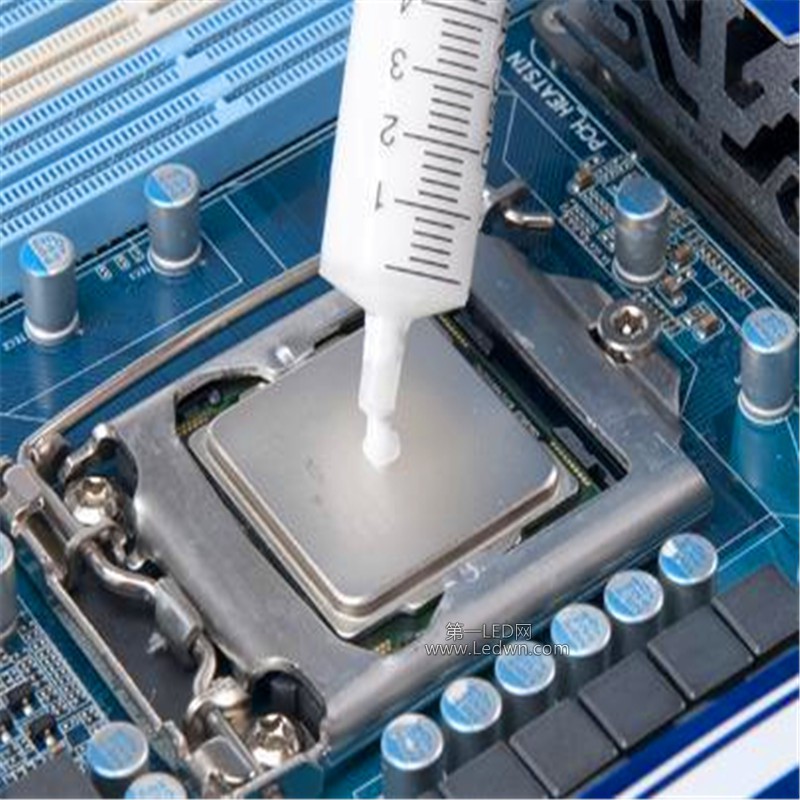



During the use of electronic products, many devices experience problems such as severe overheating, sluggish operation, and even motherboard burnout. Upon disassembly and inspection, it is often found that the thermal grease surface is dry and cracked—this detail directly reflects the close relationship between the condition of the thermal grease and the lifespan of electronic products. So, why does thermal grease crack during application? The core reasons are mainly threefold: uneven stirring before use, high low-molecular-weight content in raw materials, and excessive oil separation rate.
I. Uneven Stirring Before Use
If thermal grease is improperly stored or left for an extended period, oil-powder separation can easily occur. If it is not thoroughly stirred before use, it will lead to an uneven state during printing and application, with some areas having too much powder and insufficient silicone oil. When equipment operates in a high-temperature environment for a long time, insufficient silicone oil will reduce the overall oil-locking ability of the thermal grease. Over time, a small amount of residual silicone oil will gradually precipitate out, eventually causing the colloid to powder, lose its adhesiveness, and form obvious cracks.
II. Poor Raw Material Quality (Excessively High Low Molecular Weight Content)
Silicone oil, as the core raw material of thermal grease, directly determines its lifespan and performance. Silicone oil is a polymer material, but during synthesis, some low-molecular-weight impurities are inevitably generated. If these impurities are not sufficiently removed during production, they will remain in the silicone oil product and be used in the production of thermal grease. In thermal greases with high low-molecular-weight content, these impurities will rapidly volatilize during high-temperature operation of equipment. This volatilization process can cause internal expansion and structural damage to the colloid, and in severe cases, cracking.
III. Excessive Oil Separation Rate
The oil separation rate is a key performance indicator for the long-term stable use of thermal grease. Thermal greases made with different formulations and production processes have significantly different oil separation rates. A higher oil separation rate results in a shorter normal lifespan for thermal grease. This is because thermal grease with a high oil separation rate allows the internal silicone oil to seep out more easily and separate from the powder. The powder, now uncoated by silicone oil, gradually dries and clumps, eventually developing noticeable cracks. Therefore, for thermal grease, a lower oil separation rate means stronger crack resistance and better stability.
It's important to note that regardless of the cause, cracking of thermal grease directly reduces its thermal conductivity, affecting heat dissipation and shortening the lifespan of electronic products. Unfortunately, whether thermal grease will crack in the short term cannot be determined visually or through operational procedures. Therefore, understanding the core causes of thermal grease cracking and mastering prevention and verification methods is crucial for users.