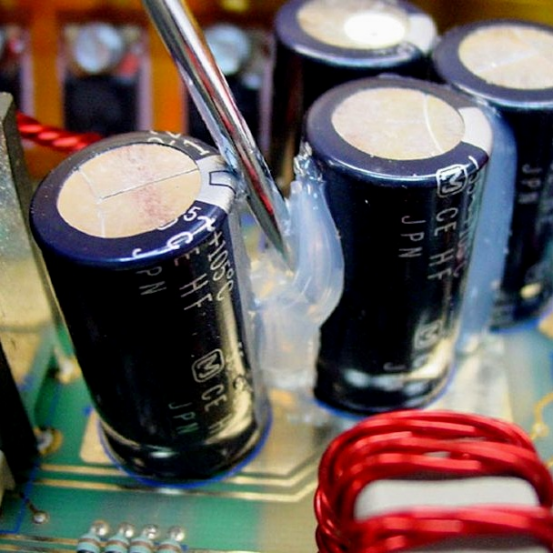

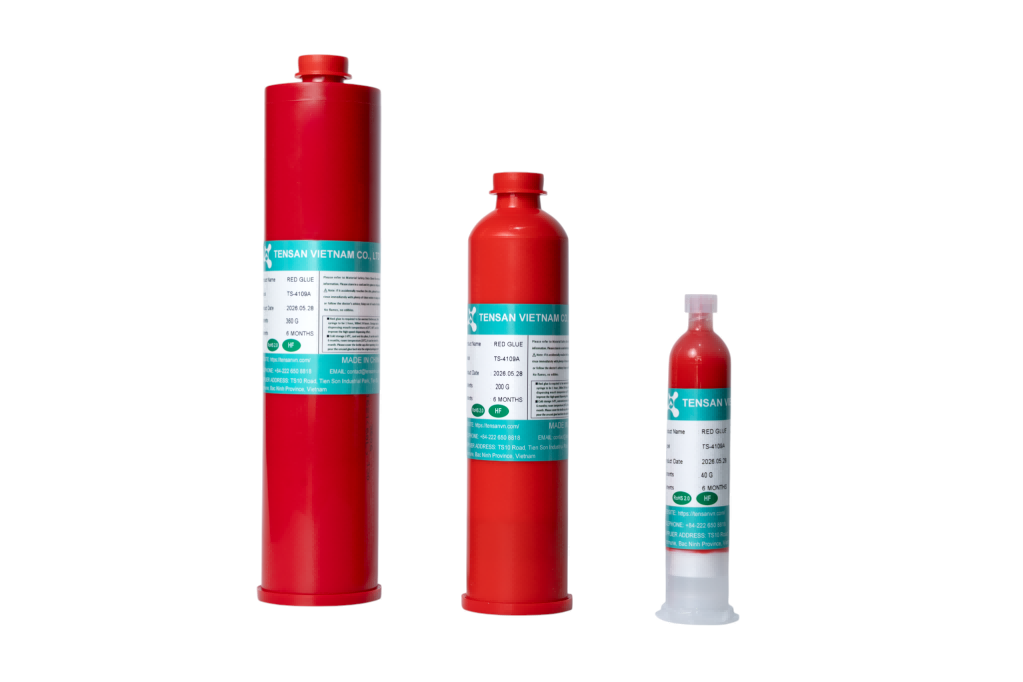


Before selecting and utilizing sealants on a large scale, rigorous performance testing is indispensable. Such testing serves to verify whether the product is compatible with the specific operating conditions, while also preventing post-application issues such as bonding failure, inadequate sealing, cracking, or detachment. Ultimately, this effectively minimizes material waste and reduces the risk of costly rework.
Many users assume that a sealant merely needs to possess low viscosity and high adhesion. They reason that lower viscosity extends the workable time and reduces application waste, while superior adhesion ensures a firm bond to the substrate, thereby guaranteeing sealing integrity and joint strength. However, relying solely on visual inspection and tactile assessment is not sufficiently rigorous. Whenever conditions permit, it is imperative to conduct small-scale trial applications first to visually verify the actual performance in a real-world context.
**I. Basic Physicochemical Performance Testing**
First, inspect the physical appearance of the sealant; observe whether the color of the compound is uniform and check for the presence of impurities, lumps, or signs of separation (layering). Next, test the density of the sealant to determine its compatibility with industrial production processes and specific application techniques. Particular emphasis should be placed on testing viscosity, skin-over time, and curing speed to obtain precise data. This data is critical for establishing the permissible working time and the full curing cycle, thereby preventing issues such as difficulty in application due to excessively high viscosity, sagging or runoff due to excessively low viscosity, or project delays caused by curing speeds that are either too fast or too slow.
**II. Compatibility and Operational Stability Testing**
It is necessary to analyze the chemical formulation of the sealant's base compound and curing agent to confirm their compatibility with the intended substrates (e.g., metals, plastics, glass, ceramics). This ensures that no adverse reactions—such as corrosion or swelling—will occur. Concurrently, the sealant's stability under actual operating conditions must be tested. By simulating or accounting for environmental factors such as temperature, humidity, and pressure, one can verify whether the sealant can consistently and reliably maintain its sealing and bonding functions, thereby preventing performance degradation in extreme environments.
**III. Mechanical Performance Testing (with a Focus on Tensile Properties)**
Once fully cured, a sealant must possess sufficient tensile strength and tear resistance to prevent cracking or detachment when subjected to mechanical stress. If the tensile strength is inadequate, cracks are prone to forming at the edges of the sealant layer; these cracks may then propagate throughout the material, resulting in a complete loss of both sealing and bonding functionality. Therefore, prior to use, it is essential to test key mechanical indicators—such as tensile strength and elongation at break—to ensure that the sealant meets the specific mechanical requirements of the intended application scenario. IV. Multi-Substrate Bonding Performance Testing
Prior to formal mass-scale application, it is recommended to conduct trial bonding on various substrate materials to comprehensively evaluate overall performance—including bonding strength, curing efficacy, and sealing reliability. Through testing, the formulation ratio and application process can be optimized; this allows for the refinement of material usage strategies—thereby minimizing material waste—without compromising core performance attributes such as sealing, bonding, and mechanical properties.
Selecting a professional and reliable sealant supplier is also of paramount importance. Companies such as TENSAN, which specialize in the R&D and application of sealants, can provide customized solutions. Their products are suitable for a wide range of high-end sectors—including new energy, defense, medical devices, aerospace, marine engineering, electronics, automotive, instrumentation, power supplies, and high-speed rail—offering stable performance and exceptional compatibility.