


Many users mistakenly believe that the more sealant used, the better the bonding effect and strength. Therefore, they intentionally overmix the sealant, attempting to improve bonding performance by increasing the amount. However, this approach is incorrect and can cause various problems during actual construction.
Does more sealant always mean better results?
This is completely wrong. The bonding performance and sealing effect of sealant are not directly related to the amount applied. Blindly increasing the amount of sealant not only fails to improve bonding quality but also directly increases material costs, resulting in resource waste.
In actual operation, the amount of sealant needed should be accurately estimated based on the construction scenario and joint size, and mixed only as required. Follow the principle of "small amounts, multiple times," erring on the side of mixing small amounts and adding more if necessary, rather than mixing too much at once. Once the sealant is thoroughly mixed, it must be used immediately. Leftover mixed sealant cannot be sealed and stored; it will become ineffective and must be discarded, easily leading to material waste.
Key Precautions for Sealant Use
1. Test the sealant before batch construction. 1. Before using sealant in large quantities for the first time, always conduct a small-area test first. Master the mixing ratio, curing speed, and application techniques before proceeding with batch mixing to avoid batch application errors.
2. Proper handling of opened and resealed sealant. After opening and resealing, sealant is prone to forming a skin at the seal. Clean the skin off the surface; the sealant can be used normally. If the sealant was not properly sealed or became damp and deteriorated, it cannot be reused and must be replaced.
3. Thin-coat application on special substrates. For difficult-to-bond, smooth, and dense materials, thick coats are unnecessary. Apply a thin layer of primer first, and wait for it to partially dry before proceeding with subsequent bonding and sealing operations. This effectively improves the bonding effect.
4. Ensure proper safety during application. Maintain good ventilation in the application environment. If sealant splashes into the eyes, immediately rinse thoroughly with plenty of water and seek medical attention.
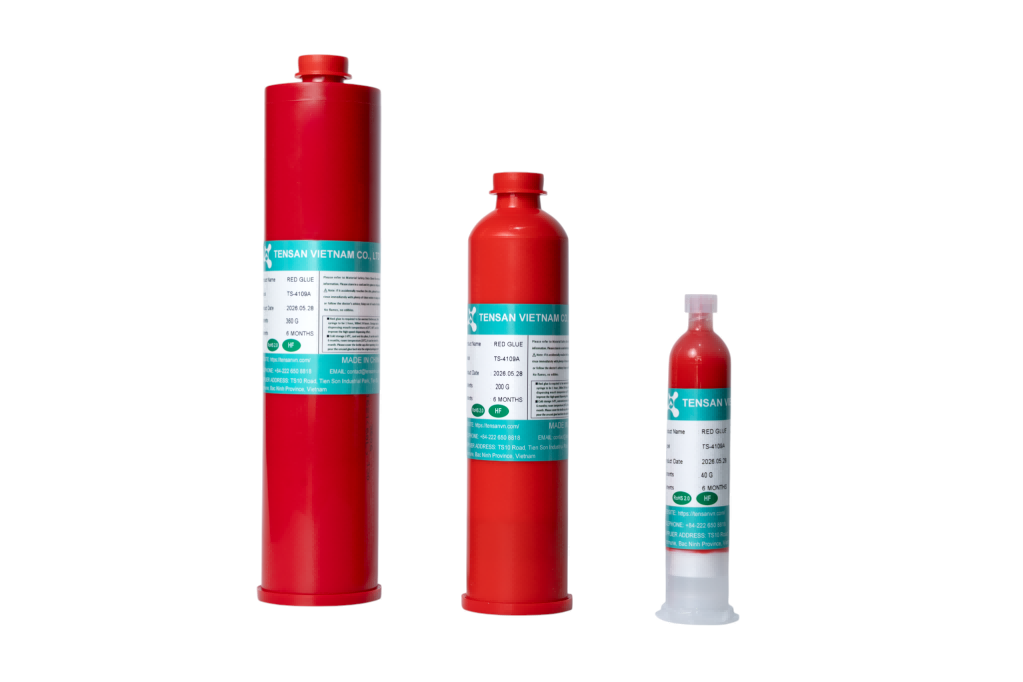
5. Proper storage. Although sealants are not classified as hazardous materials, they must not be stored with food or household goods. They should be stored in a dry, cool, and dark environment in a sealed container to effectively extend their shelf life. It is also recommended to choose reliable products and work with professional suppliers, such as TENSAN, which specializes in sealant research and development and can provide customized sealant application solutions. Their products are highly adaptable and widely used in many industries, including new energy, military, medical, aerospace, shipbuilding, electronics, automotive, instrumentation, power supply, and high-speed rail.
In short, many problems with sealant use stem from user misconceptions and improper operation. Before application, it is essential to fully understand the product characteristics and application specifications, and to use correct techniques to ensure sealing and bonding effects while effectively saving costs and reducing material waste.