


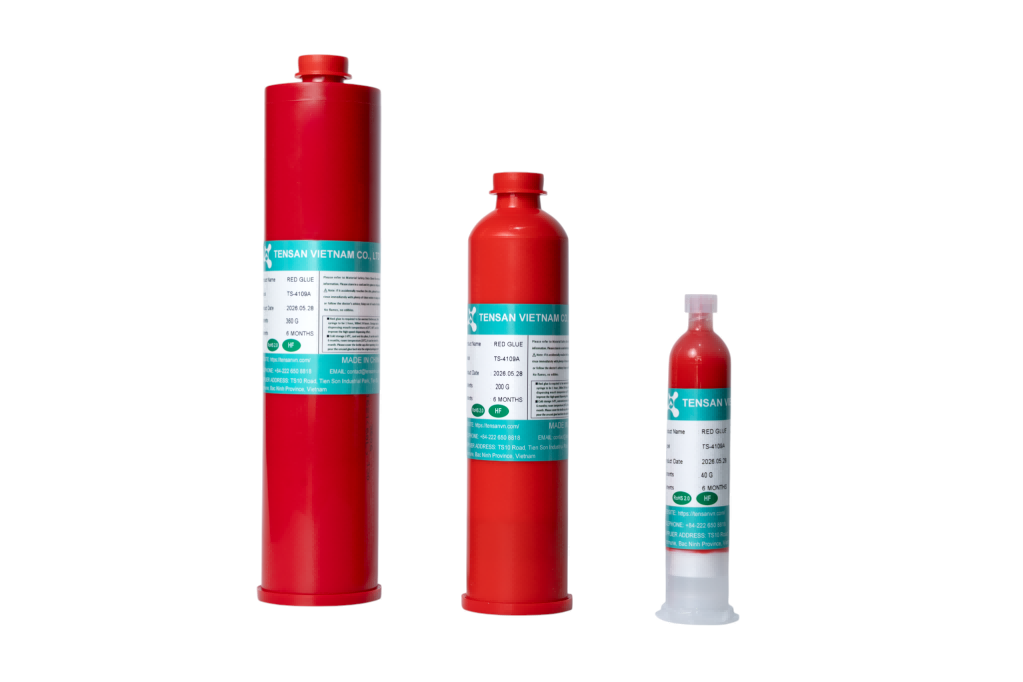


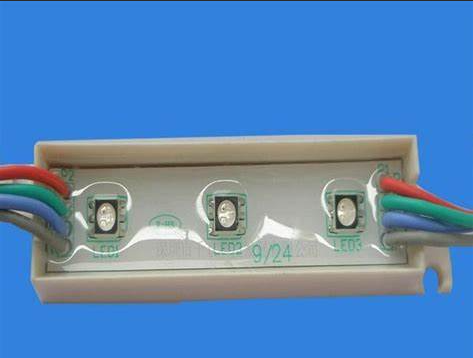
Tensan LED silicone offers an exceptional solution for LED encapsulation, featuring high transparency, strong adhesion, fast curing, and excellent weather resistance, making it ideal for various LED applications. Whether for indoor lighting or outdoor display equipment, Tensan LED silicone ensures the brightness, stability, and durability of LED products, providing comprehensive protection for LED applications.
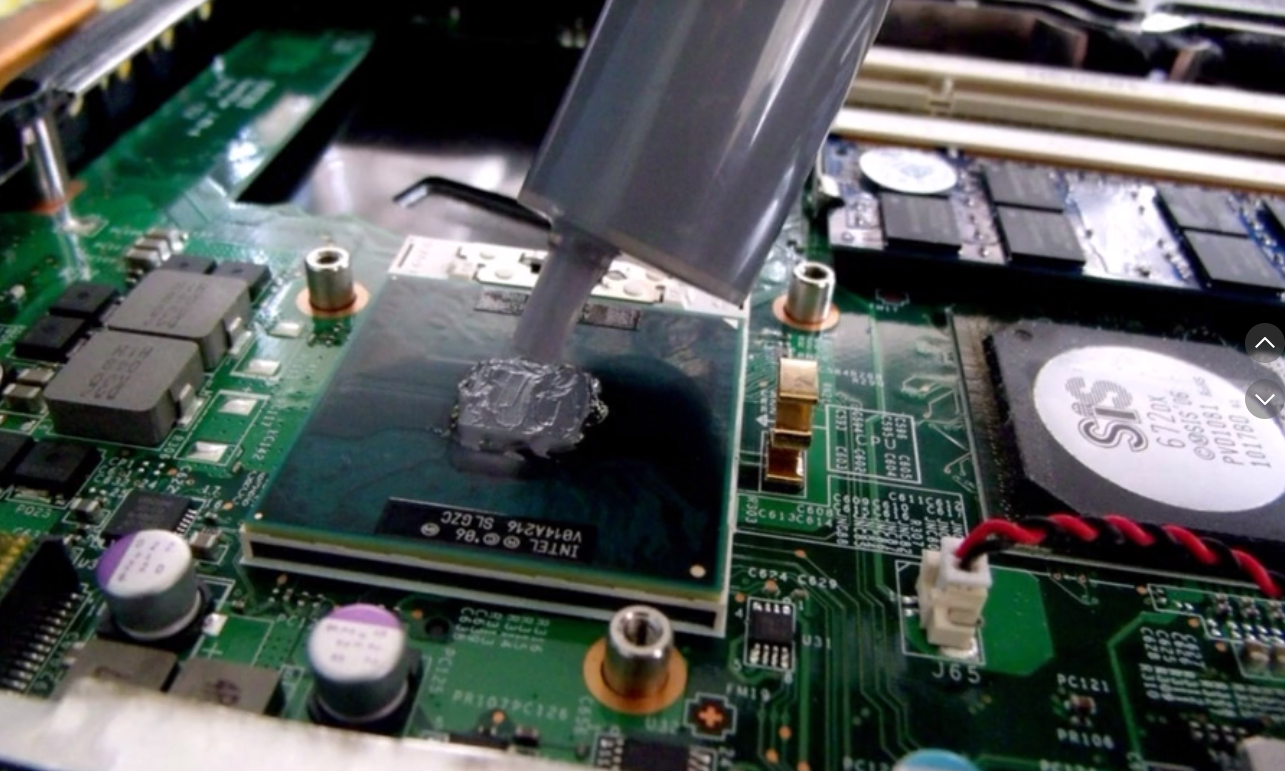
Thermal grease is a crucial material used to improve the cooling performance of electronic devices. With high thermal conductivity and electrical insulation, it efficiently transfers heat to heatsinks, ensuring the device operates at an optimal temperature. Tensan thermal grease, known for its high thermal conductivity, stability, and ease of use, is an ideal choice for electronic devices requiring efficient heat dissipation.
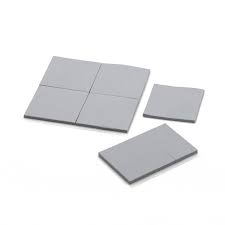
The thermal conductivity of a thermal pad is a key performance indicator that directly impacts the cooling efficiency of electronic devices. Higher thermal conductivity means better heat dissipation, which helps prolong device lifespan and maintain stability. Tensan thermal pads, with their superior thermal performance and adaptability, provide an ideal heat dissipation solution for various electronic devices.
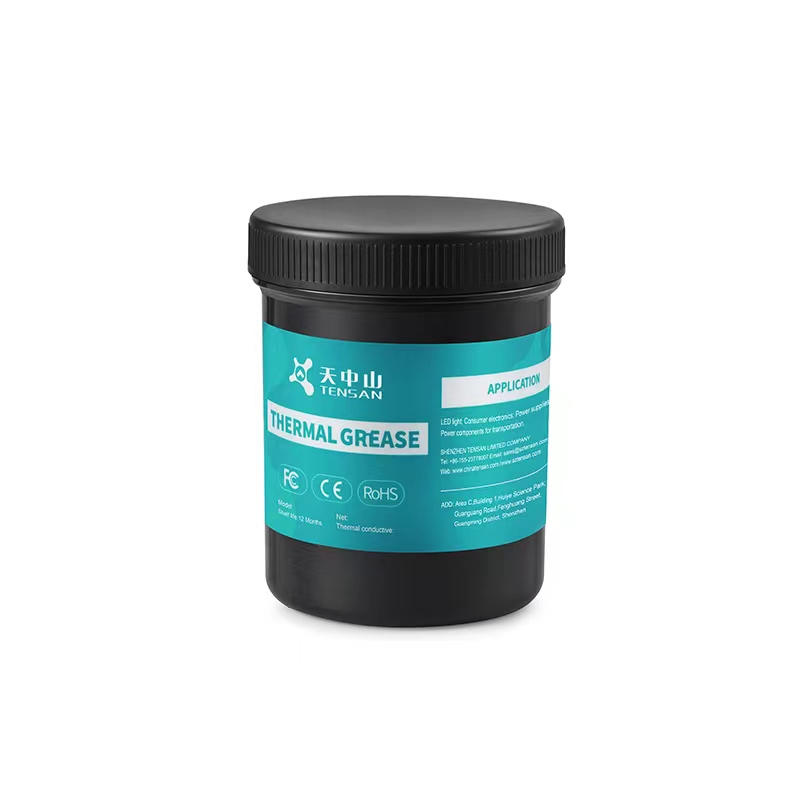
In the thermal management of electronic devices, selecting the right thermal interface material is crucial to ensure optimal performance and reliability. Thermal grease and thermal gel are two common types of thermal materials that serve a similar purpose—facilitating the transfer of heat from electronic components to heat dissipation units. However, they have significant differences in material properties, application scenarios, and handling characteristics. Understanding these differences helps to select the appropriate material based on specific needs to enhance thermal management efficiency.
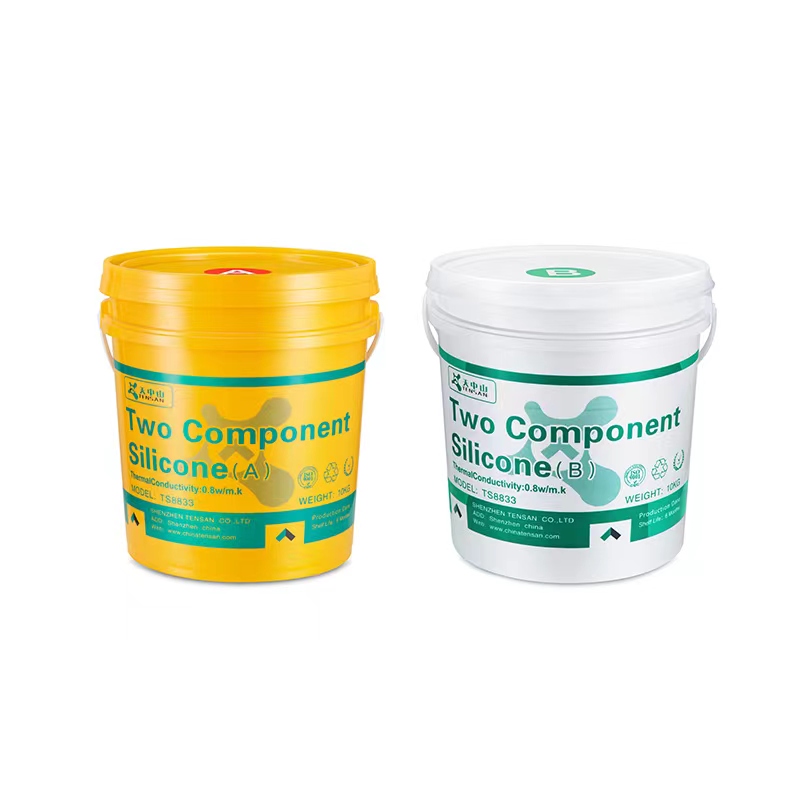
In the manufacturing process of LED power supplies, silicone potting compounds are frequently used to encapsulate and protect electronic components. However, challenges such as the formation of bubbles, improper curing, and issues with hardness or tackiness after curing can affect the quality and performance of the final product. This article provides a comprehensive analysis of the primary causes behind these issues and offers specific recommendations to mitigate them.
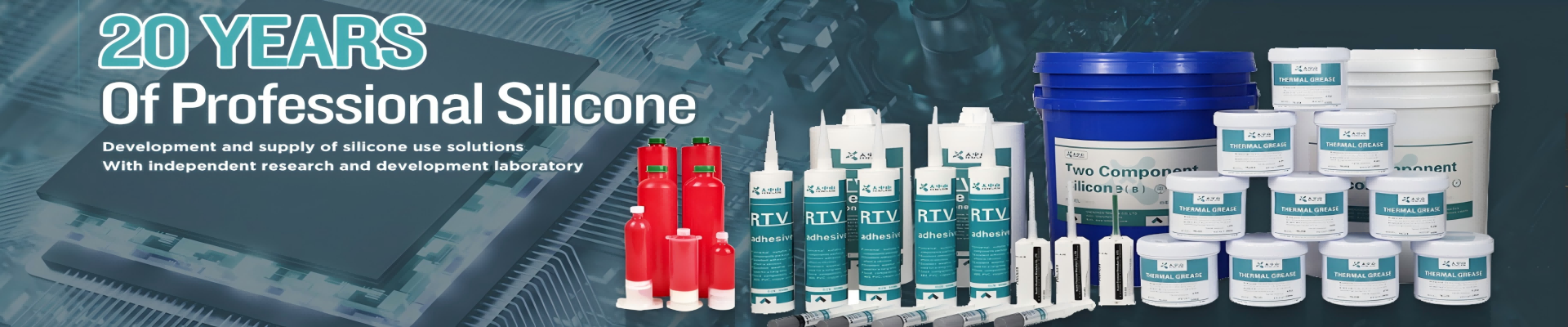
This article introduces silicone, epoxy resin, and polyurethane (PU) potting adhesives. It includes the definition of potting adhesives, the functions of potting, and focuses on the advantages, disadvantages, and application ranges of the three types of potting adhesives. It also mentions the issues to consider when selecting potting materials and potting processes, such as manual and mechanical vacuum potting, curing conditions, operation methods, and precautions of different potting adhesives, helping readers understand relevant knowledge of potting adhesives and facilitating the selection of appropriate potting solutions.