




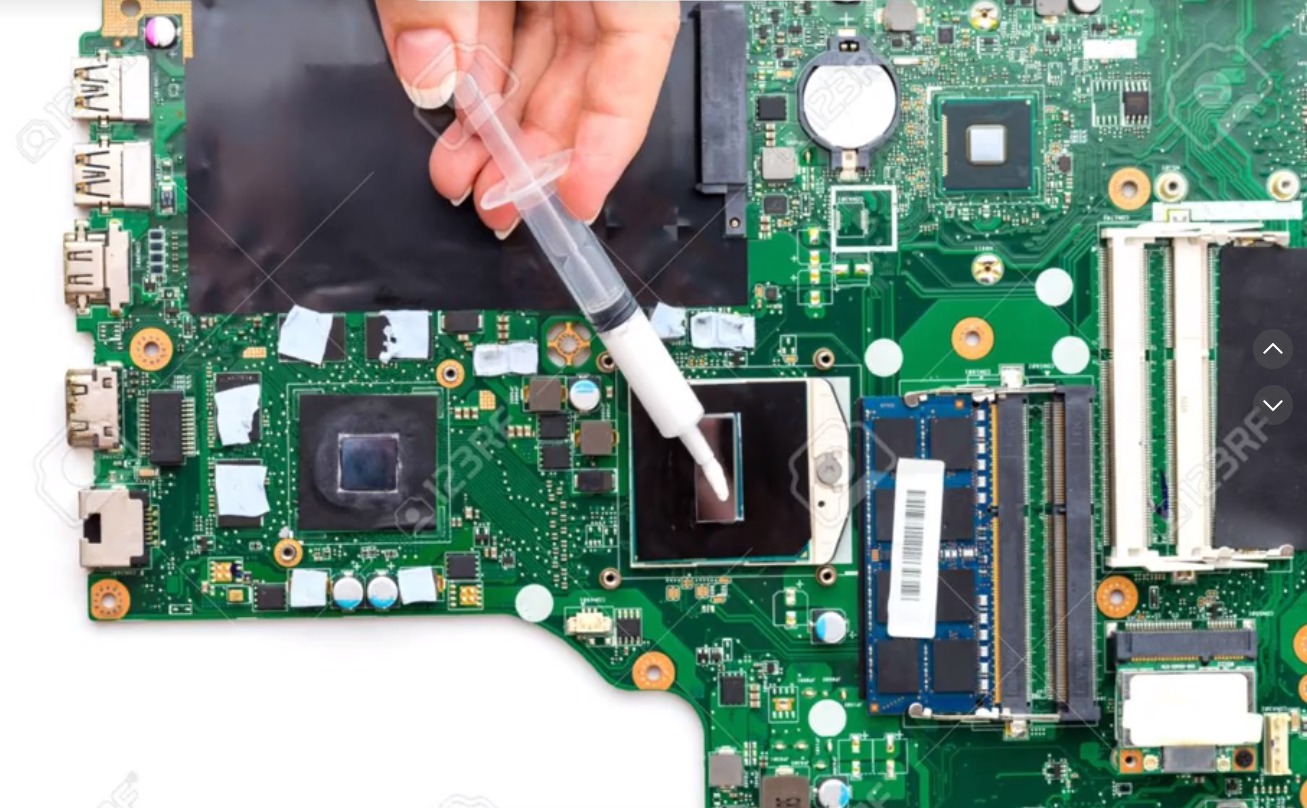
This article provides a detailed comparison between thermal conductive silicone grease and thermal conductive silicone adhesive, guiding customers in understanding their distinct characteristics and suitable applications. Although they differ by just one word in name and are both heat-conducting materials, they have significant functional and application differences. Readers will learn how to distinguish and select the right thermal material, helping to avoid adverse consequences from improper use.
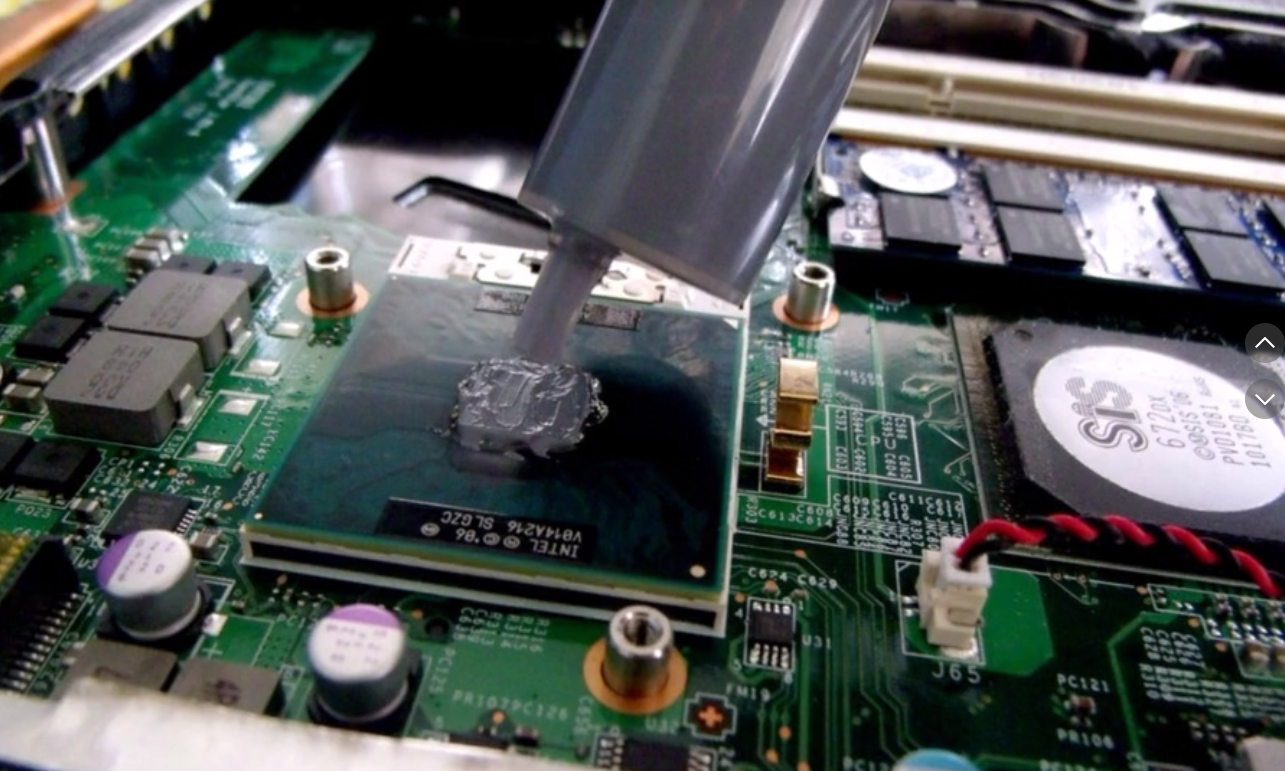
The difference between thermal grease and thermal pads in the fact that the application field of the product needs to be analyzed from various aspects such as thermal conductivity, product structure, and safety requirements for product performance, and the conclusion is completely different. Therefore, the detailed explanation of the thermal conductivity, product application, and price cost of the two products will be given from different consideration points.
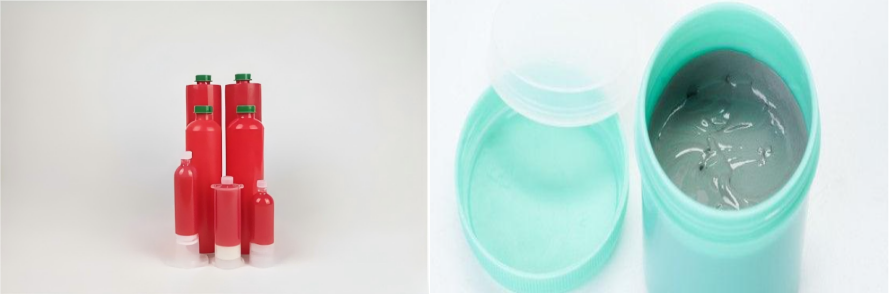
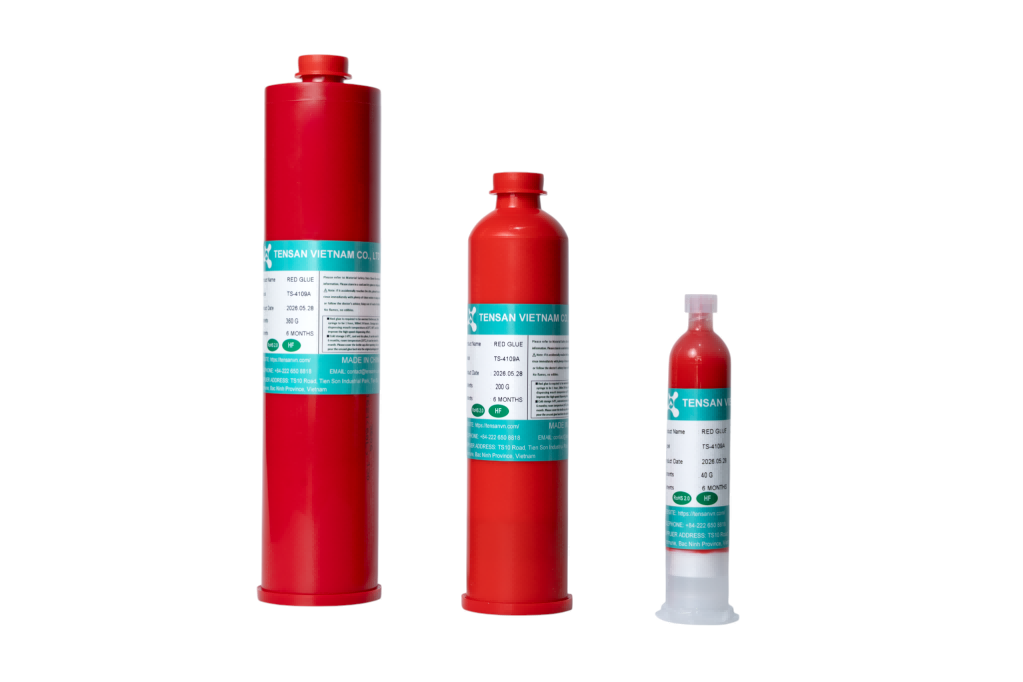
With the electronic industry products more and more sophisticated, the size of components and PCB board and product diversification, came into being some electronic accessories, of which solder paste and SMT patch red glue are indispensable materials in the electronic industry, what is the difference between the two products, the following content will give you the answer.
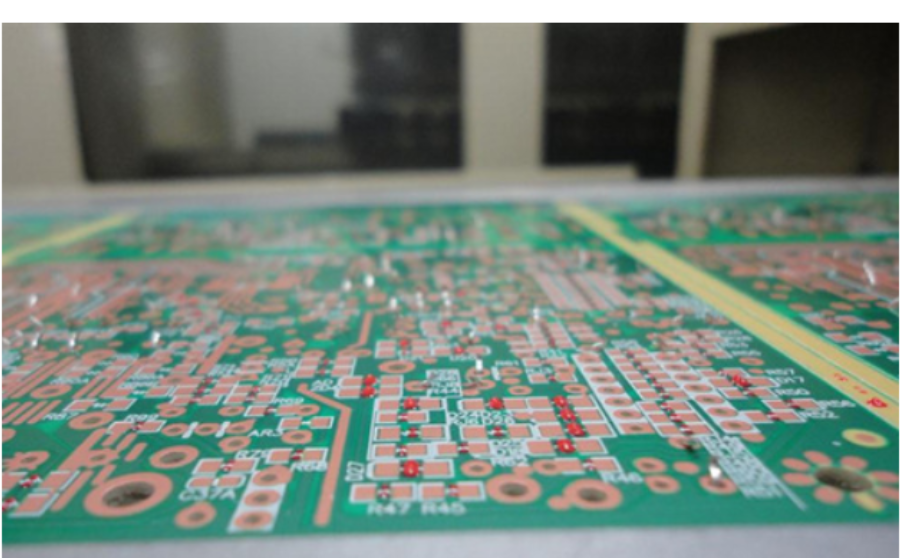
Common issues in glue scraping and dispensing include overflow, glue not falling off the scraper, insufficient glue amount, and glue collapse, often related to glue viscosity, mesh width, or environmental conditions. In dispensing, problems like stringing, missing glue spots, inconsistent dot sizes, and satellite dots may be caused by glue viscosity, dispensing pressure, or needle distance. Component drop-offs may result from glue quality, incomplete curing, or PCB issues. Solutions include selecting the correct glue type, adjusting the curing profile, and conducting push tests to ensure complete curing.
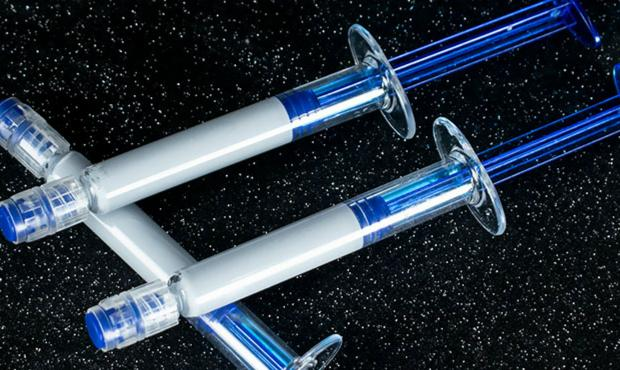
In the manufacturing industry, thermal grease is relatively common. This material not only dissipates heat but also has insulating properties. It is a heat-dissipating and non-conductive material. Because this material has high requirements for the coating process and is mainly thin and light, what will happen if too much is applied? Is there any countermeasure?
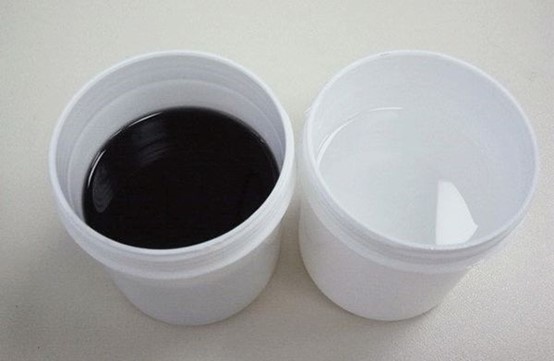
The application field of adhesives is getting higher and higher, and it has become an indispensable material in the manufacturing industry. The richer the performance of adhesives, the higher the application field. silicone potting can be cured at room temperature or heated during the curing stage, which can meet different curing requirements. Can all silicone potting be cured by heating?