


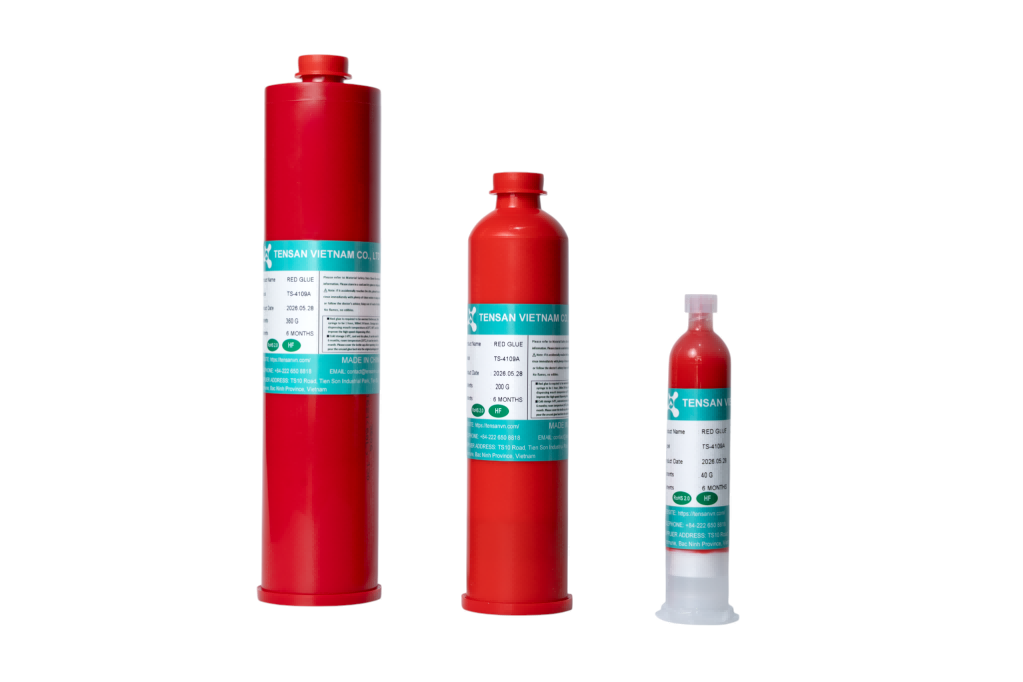


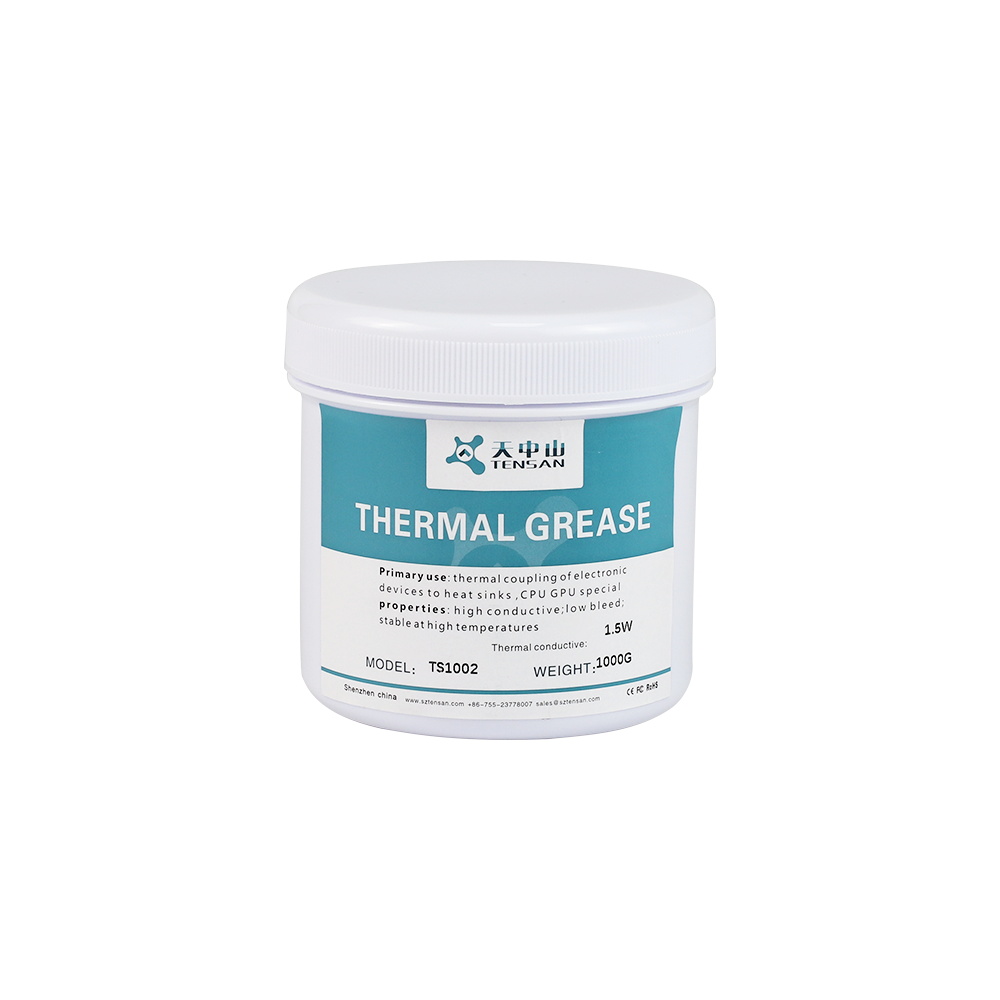
Thermally conductive silicone grease is commonly known as heat dissipation paste. When using it, it needs to be operated by professionals and stirred evenly, and then the thermally conductive silicone grease can be evenly applied to the surface to be coated. It can be smoothed with the help of a scraper or brush, which is easy to control the thickness and edge. The thermal grease on the part needs to be wiped clean with a lint-free cloth.
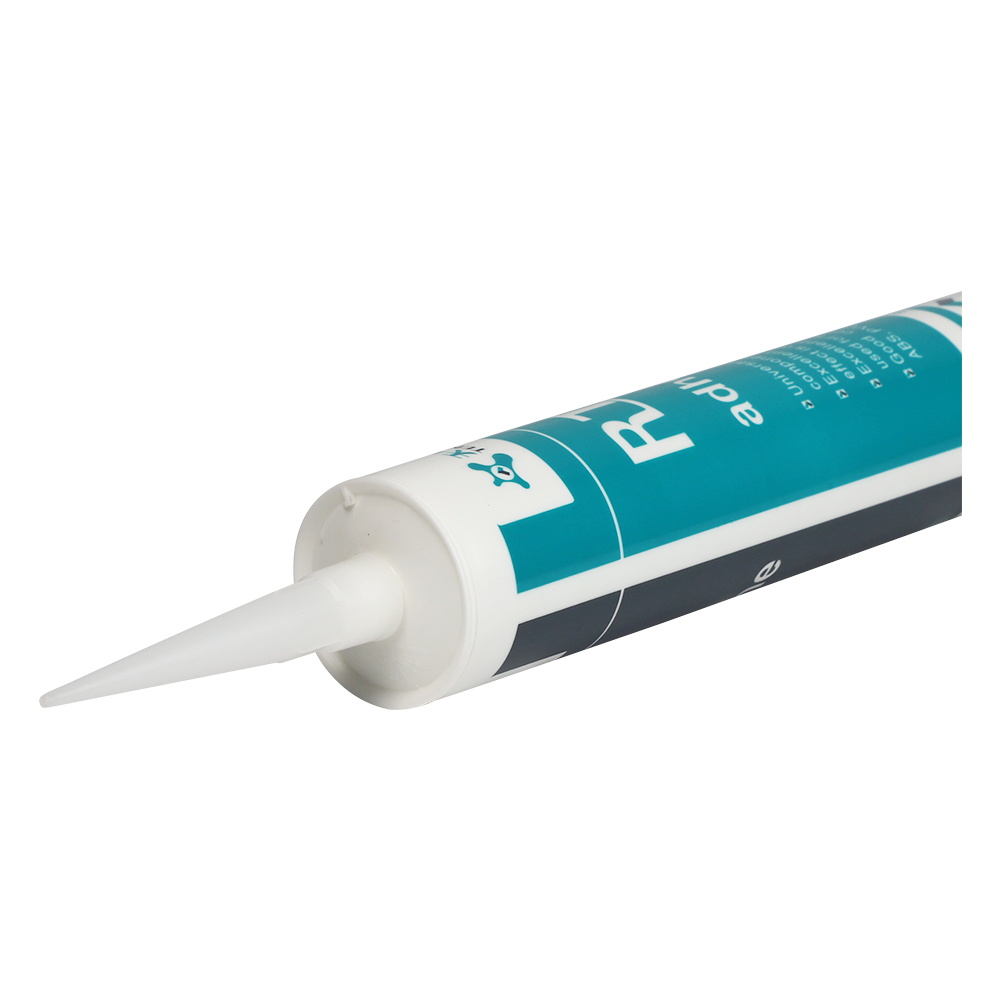
There are many differences between one-component and two-component sealants from glue mixing to curing. Which kind of adhesive you want to use, you need to know about it in advance. See how to operate to achieve the ideal bonding effect, can play a better performance.
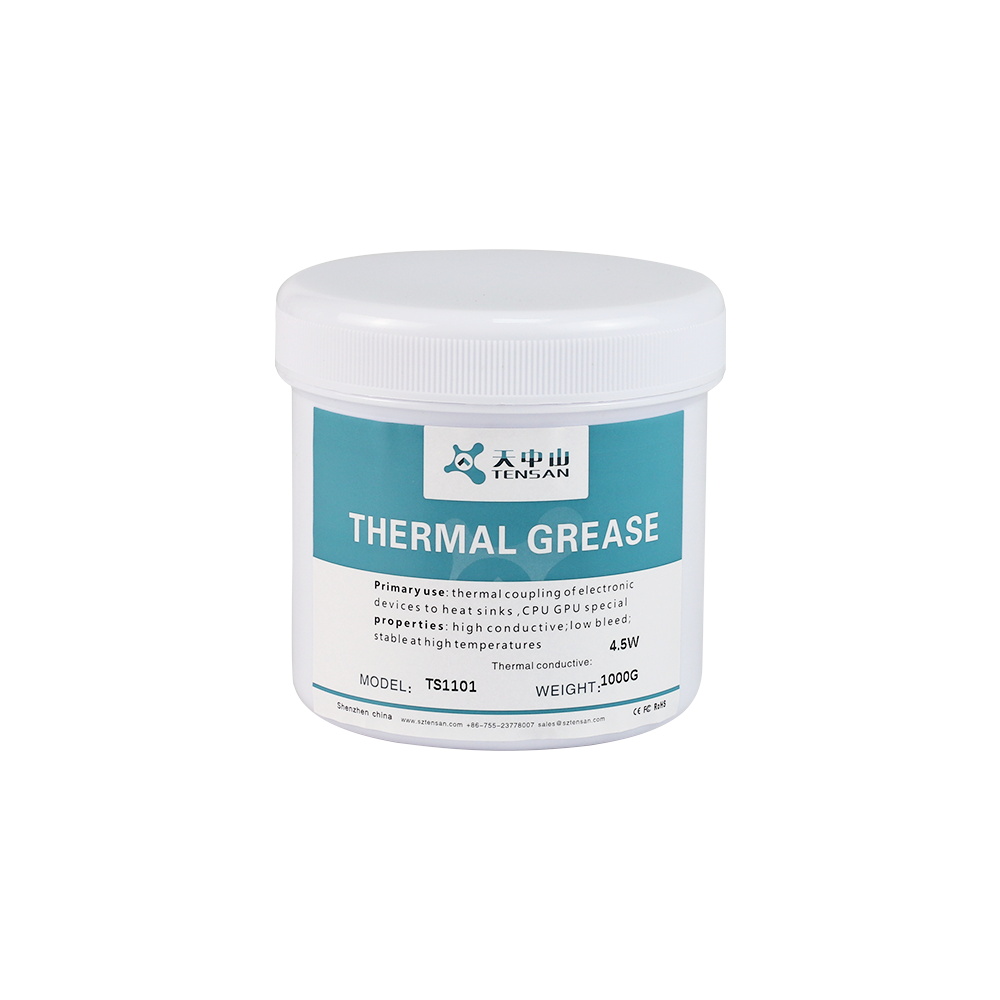
Thermal grease is a kind of pasty substance mainly made of organic silicone as the main raw material, and then adding some heat-resistant and thermally conductive materials. This substance can be used in electrical and electronic manufacturing, and can play a role thermal performance.
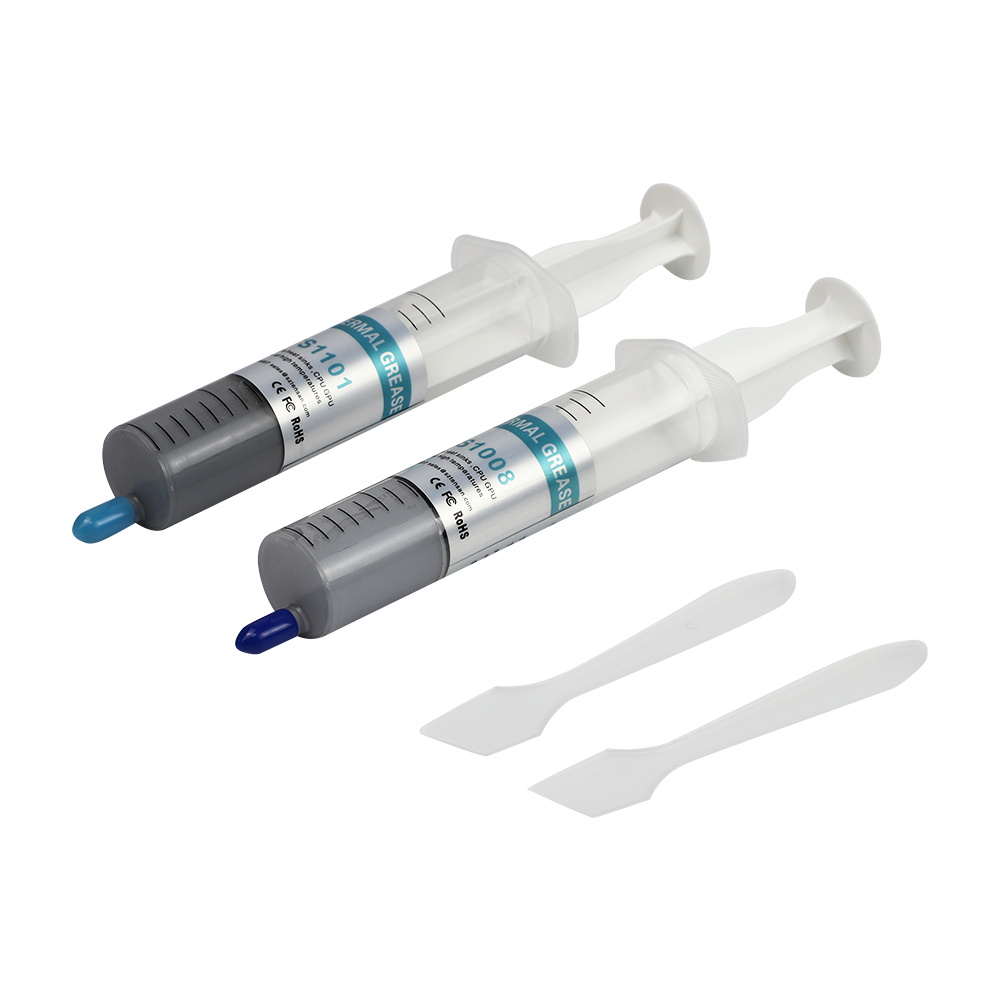
Is the difference between insulating and thermal silicone grease and ordinary thermal grease only in insulation? In fact, it is more than that. In the use of thermal grease, the application scenarios are also very different according to the performance.
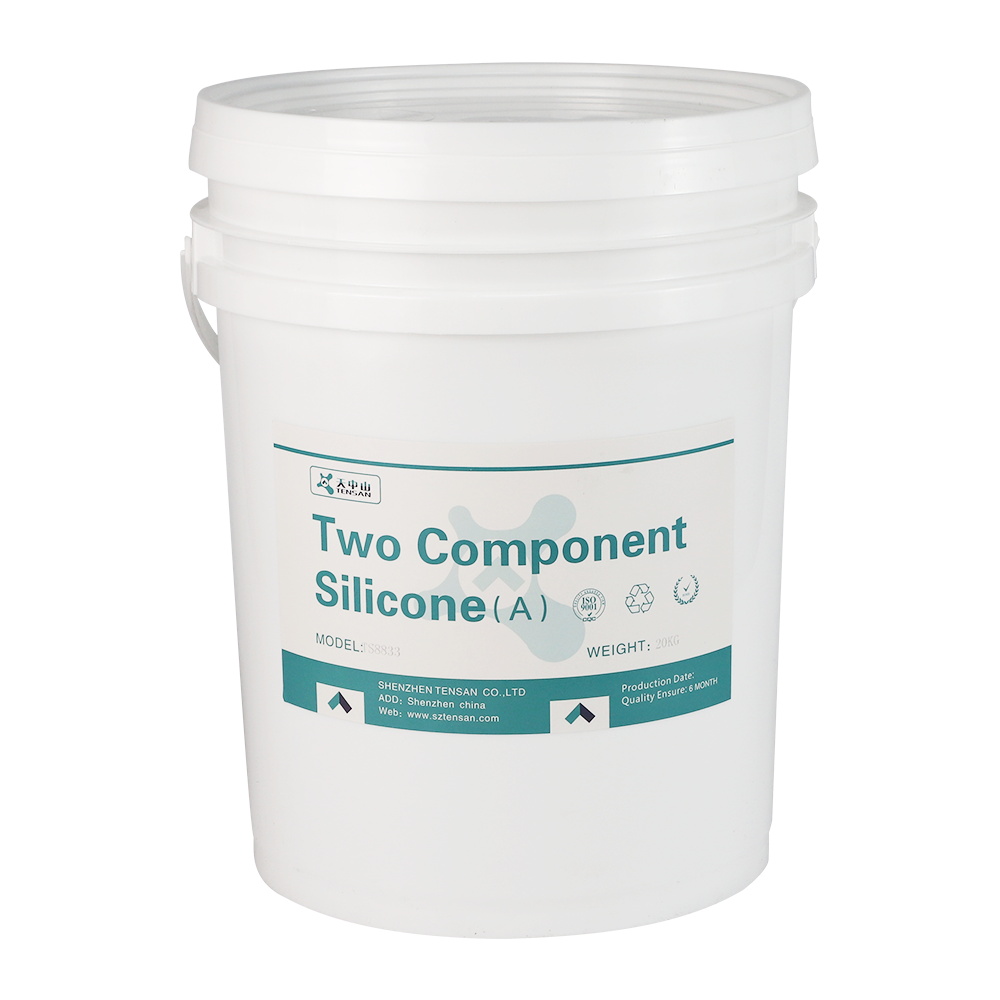
In the industrial field, electronic potting glue plays a very important role. Bonded with objects of different materials, it exerts a variety of performances. The following properties make it more widely used.
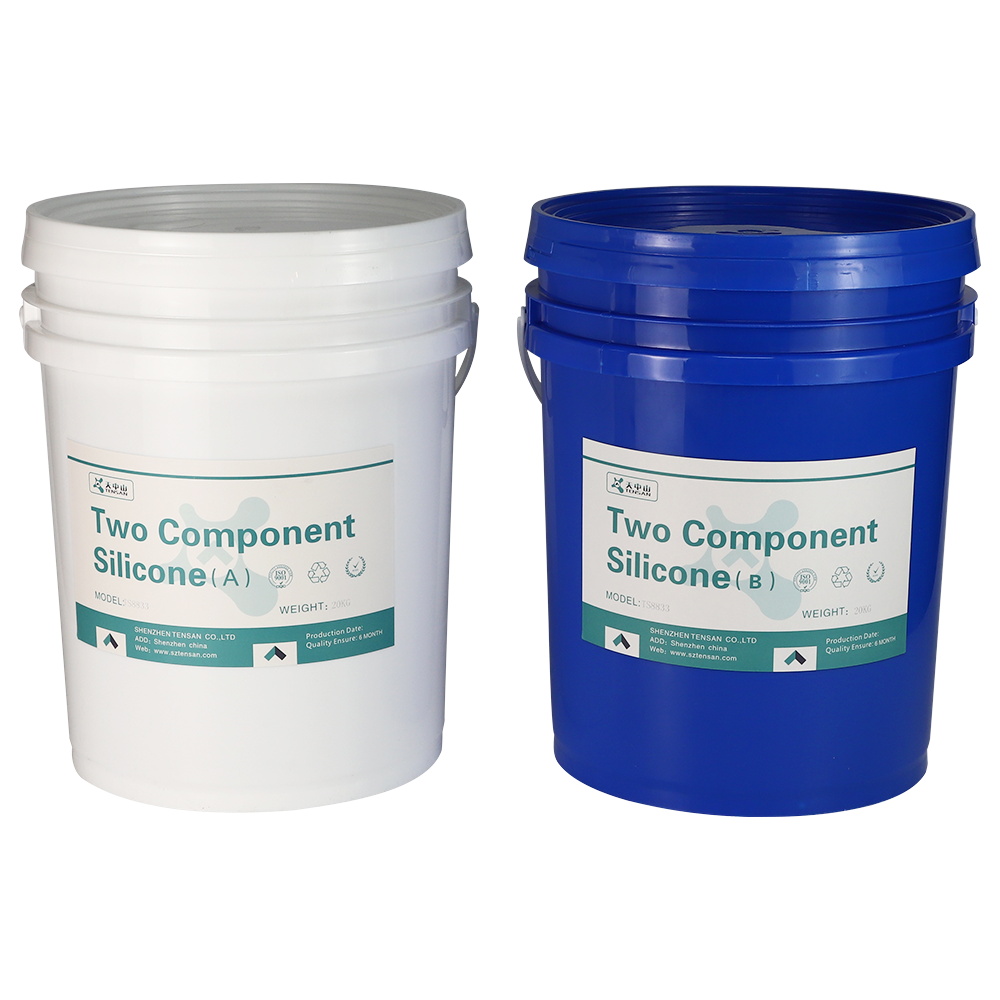
Some users choose electronic potting glue, wanting to make it play a good thermal conductivity. For most potting adhesives, it has excellent thermal conductivity and can meet the needs of the majority of users. So, how to judge whether the thermal conductivity of an adhesive is good or not?