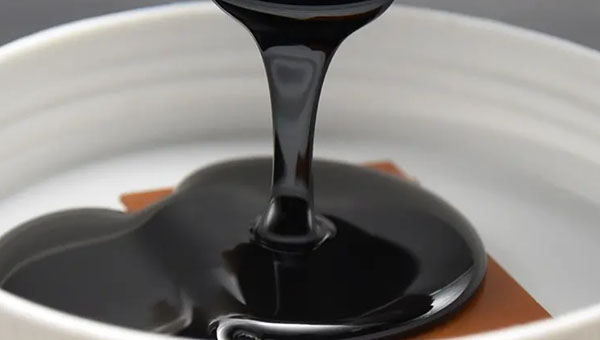

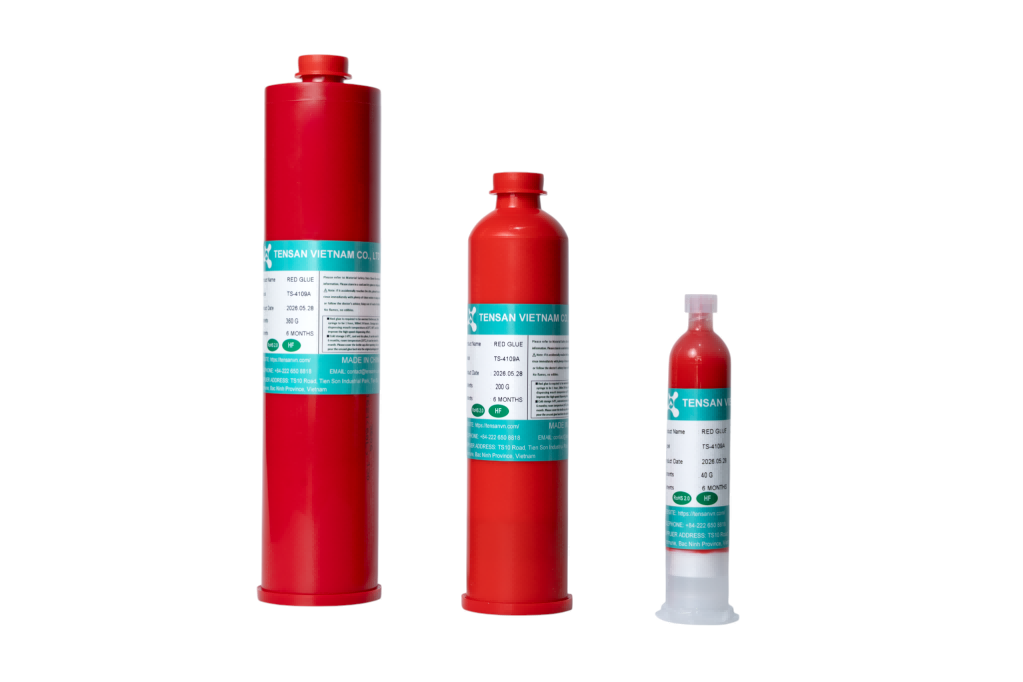


In industrial production, potting compounds are frequently employed for bonding and sealing electronic components and circuit boards. Among these, silicone potting compounds are favoured in numerous applications due to their exceptional adaptability, primarily categorised into two-component and single-component formulations. Compared to other adhesives such as epoxy resins, silicone potting compounds typically cure into soft elastomers. Depending on the functional additives incorporated, they exhibit varying degrees of heat resistance, waterproofing, and electrical insulation properties.
Two-component silicone potting compounds see broader application and are categorised by reaction mechanism into condensation-curing and addition-curing types. Condensation-curing compounds exhibit weaker adhesion, generate volatile low-molecular-weight substances during curing, and demonstrate noticeable shrinkage. Addition-curing compounds (also termed silicone gels) feature extremely low shrinkage, produce no low-molecular-weight by-products, permit heat-assisted curing, and exhibit accelerated reaction rates at elevated temperatures.
The core properties of two-component silicone potting compounds are as follows:
Given these properties, two-component silicone potting compounds find extensive application across various electronic products, including outdoor LED displays, logo screens, digital display tubes, LED drivers, outdoor power supplies, electronic component control modules, and battery modules.