


Within the electronics manufacturing sector, potting compounds serve as the protective outer layer for electronic components. The appropriateness of their selection directly impacts product stability and service life. Faced with a vast array of potting compound products, many enterprises and practitioners encounter difficulties in making the right choice. Industry insiders advise that mastering three core elements—technical performance, processing techniques, and cost control—while precisely matching product characteristics, is essential to achieving both effective protection and cost-effectiveness.
1. Prioritise post-application technical performance in selection, making comprehensive judgements based on application scenarios. Key considerations include operating temperature ranges, thermal cycling frequency, thermal stress tolerance of electronic components, and whether indoor or outdoor use is required. Additionally, confirm any need for flame retardancy, thermal conductivity, or specific colour requirements, as these factors directly determine the potting compound's suitability.
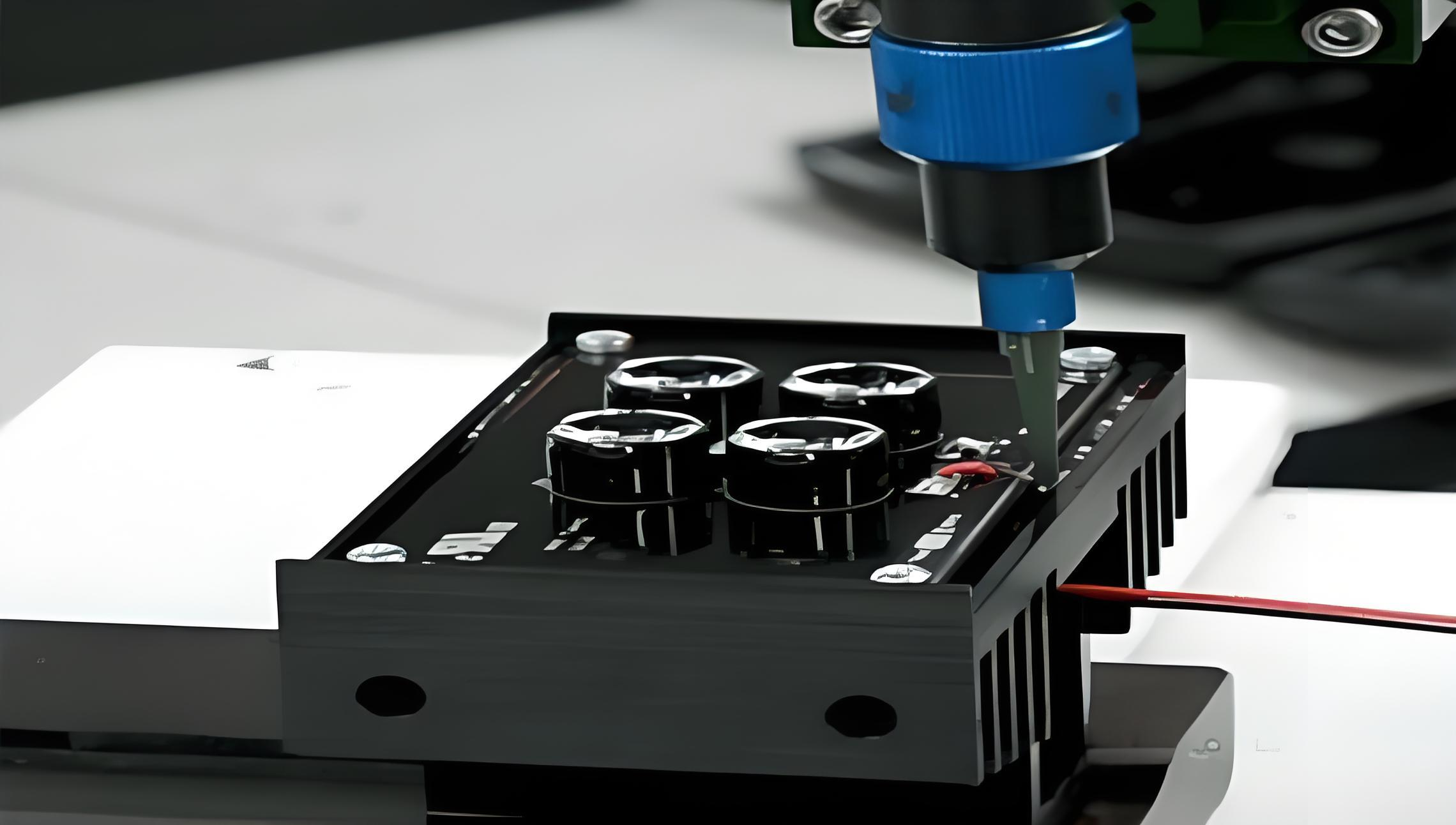
2. Secondly, ensure compatibility with the potting application process, selecting based on production mode. Whether employing manual or fully automated dispensing, ambient or elevated curing temperatures, ensure compatibility with the potting compound's full cure time, initial set after mixing, and other parameters. This prevents production inefficiencies and quality issues arising from process incompatibility.
3. Cost control remains critical. Industry experts emphasise that raw material ratios vary significantly among potting compounds. Focus selection on post-application planned costs rather than solely pursuing low-cost materials. This avoids increased maintenance expenses due to substandard performance.
Currently, epoxy, polyurethane, and silicone encapsulants dominate the market.
Industry experts recommend selecting encapsulants by focusing on three core criteria: comparing the characteristics of three mainstream product categories and precisely matching them to specific production requirements and application scenarios. This approach ensures encapsulants deliver optimal protective performance, thereby enhancing the quality of electronic products.