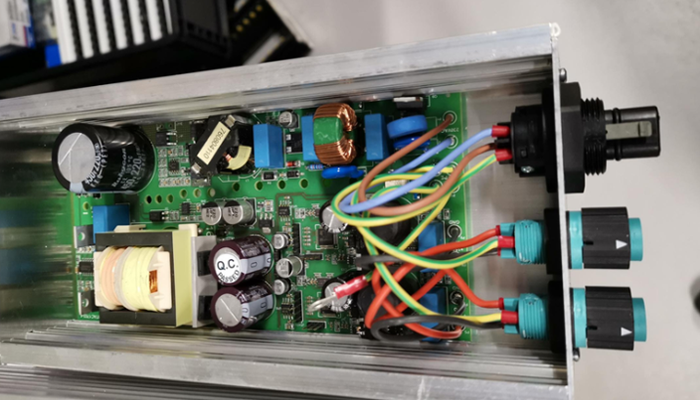

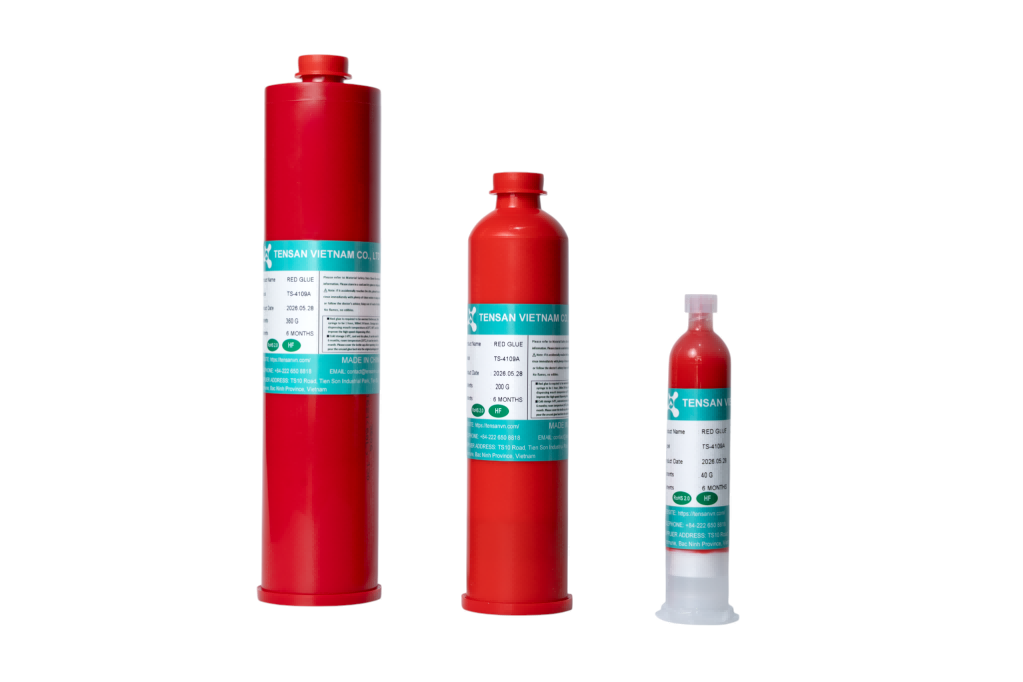


With the rapid development of technology, electronic devices are becoming increasingly powerful and complex. thermal potting, as key auxiliary materials, play an irreplaceable role in their production and maintenance. These liquid composites, primarily composed of silicone, possess excellent thermal conductivity, insulation, weather resistance, and corrosion resistance. Their core function is to protect circuit boards and components, improve heat dissipation performance and stability, while also facing numerous challenges, although their future development direction is clear.
In electronic equipment, the application of thermal potting is mainly reflected in three aspects. First, it effectively fills the gaps between components and circuit boards, forming a complete and continuous protective layer, isolating external moisture, dust, and harmful gases, and preventing damage to components. Second, due to its excellent thermal conductivity, it can quickly conduct heat generated during equipment operation, reducing the temperature of circuit boards and components, and ensuring stable equipment operation. Third, by potting and fixing the position of components, it resists external influences such as vibration and impact, improving the reliability of the equipment.
Despite its prominent role, thermal potting still face three major challenges. First, viscosity control is a challenge. Excessive viscosity leads to poor flowability and inability to fully fill gaps, while insufficient viscosity results in over-flow, affecting component placement and protective layer thickness. Second, reliability is insufficient. Prolonged exposure to high temperature and humidity environments can cause aging and yellowing, weakening protection and thermal conductivity. Third, there are environmental concerns. Traditional products contain harmful organic solvents such as benzene and toluene, which pollute the environment and harm operator health upon volatilization.
To address these challenges, future thermal potting will develop towards precision, high performance, and environmental friendliness. On the one hand, improving formulations and technologies will enhance viscosity stability, ensuring good flowability and filling capacity in various application scenarios. On the other hand, in-depth research into performance changes under different environments will strengthen long-term reliability. Simultaneously, vigorous development of environmentally friendly products without harmful components will balance performance and environmental requirements, better adapting to the development trends of electronic devices.