




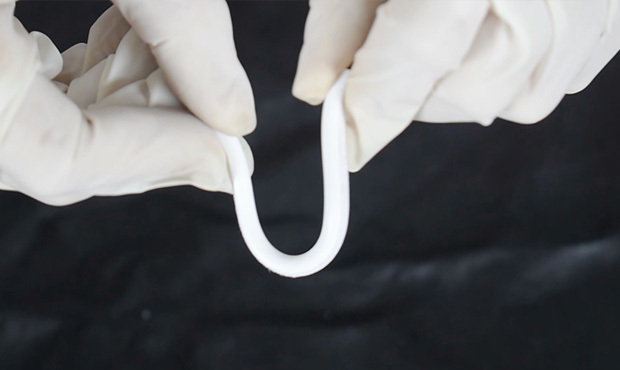
Many users mistakenly believe that the more sealant used, the better the bonding effect and strength. Therefore, they intentionally overmix the sealant, attempting to improve bonding performance by increasing the amount. However, this approach is incorrect and can cause various problems during actual construction.
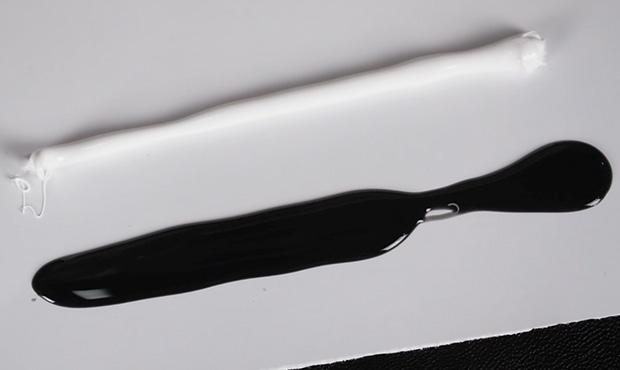
During the use of silicone sealant, problems such as detachment, breakage, and incomplete curing often occur. These are mostly due to improper operation or failure to adapt to suitable usage conditions, directly affecting the curing effect and overall performance. The following details the standard application methods and limitations.
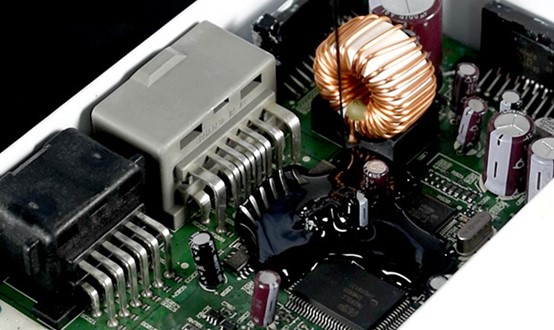
Potting compounds are indispensable bonding and protective materials in the manufacturing of electronics, electrical appliances, and industrial control equipment. Available in a wide variety of formulations suited to different operating conditions, they serve as critical materials for internal equipment protection.
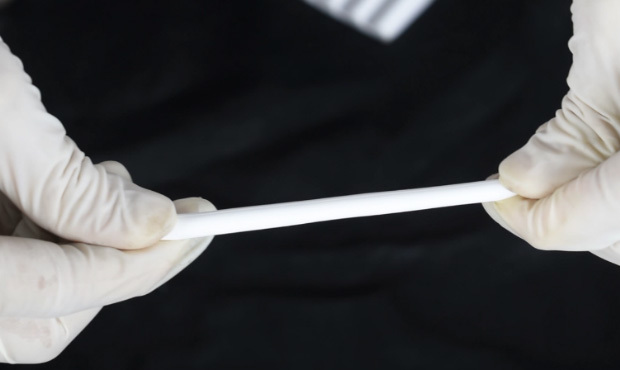
In the electronics and electrical appliance manufacturing industry, sealants are an indispensable core auxiliary material, and they can be classified in various ways. According to the vulcanization method, they can be divided into wet air vulcanizing sealants and thermoforming sealants; according to the form, they can be divided into paste sealants and hot melt sealants; according to the application method, they can be divided into curing sealants and non-curing sealants. This rich variety can adapt to different application scenarios.
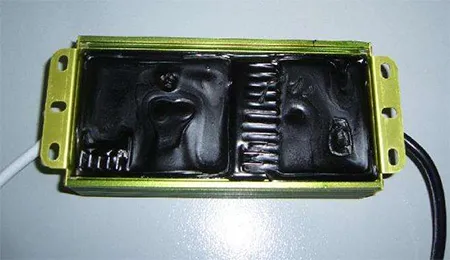
Epoxy, silicone, and polyurethane potting compounds are the three major potting materials in industry, with epoxy potting compounds having the widest application coverage and a prominent position in electronics, new energy, automotive, and military industries. However, epoxy potting compounds have significant performance shortcomings, with both single-component and two-component products having their limitations. This article briefly outlines their core disadvantages and explains why they are still widely used.
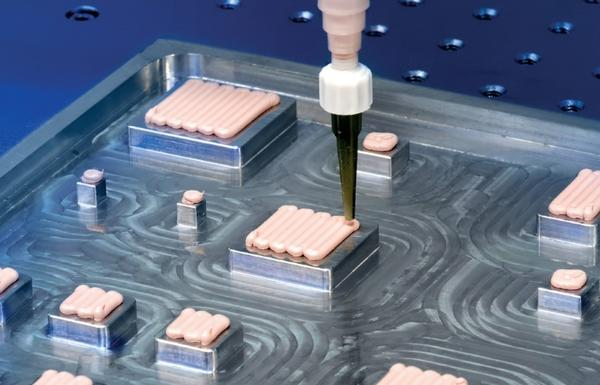
Thermal grease is a commonly used thermal grease in electronic devices. It effectively fills gaps between hardware contact surfaces and quickly conducts heat. It's simple and easy to use; mastering the correct steps allows for easy application and installation.