


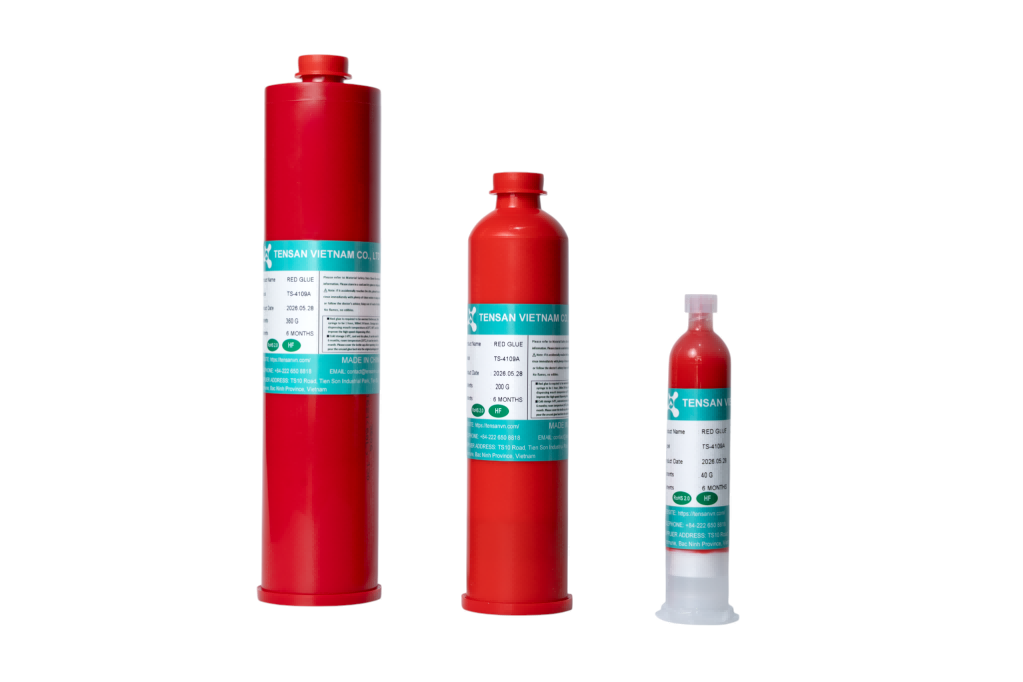


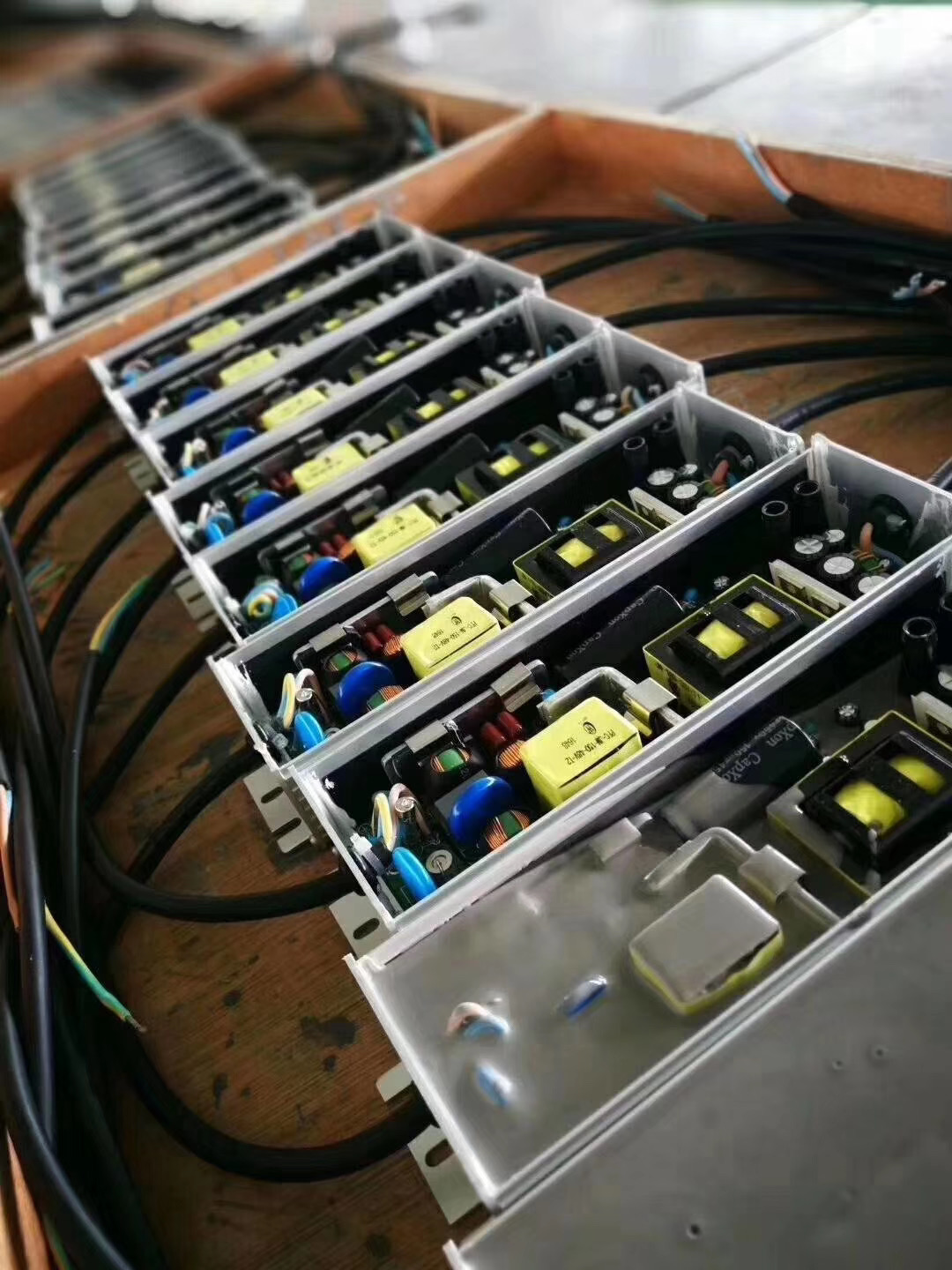
Silicone potting are indispensable functional adhesives in industrial production. With their excellent stability, adhesion, insulation, and high-temperature resistance, they are widely applicable to various industry production scenarios and have become a core supporting material in electronics, new energy, and high-end manufacturing. With the iterative upgrading of material technology, the comprehensive performance of Silicone potting continues to be optimized, and their applicable scenarios are constantly expanding. They can provide multiple guarantees such as protection, sealing, bonding, and insulation for precision components and industrial equipment, and have extremely high market acceptance.
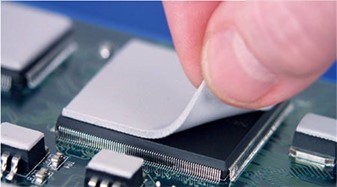
Thermal pads, also commonly known as thermal conductive silicone sheets, are widely used in various electronic devices, primarily filling the gaps between electronic components and heat sinks or device housings. With their excellent flexibility, compressibility, self-adhesion, and thermal conductivity, they completely eliminate air between contact surfaces, allowing components to adhere tightly to the heat dissipation structure, significantly improving heat transfer efficiency and optimizing device cooling.
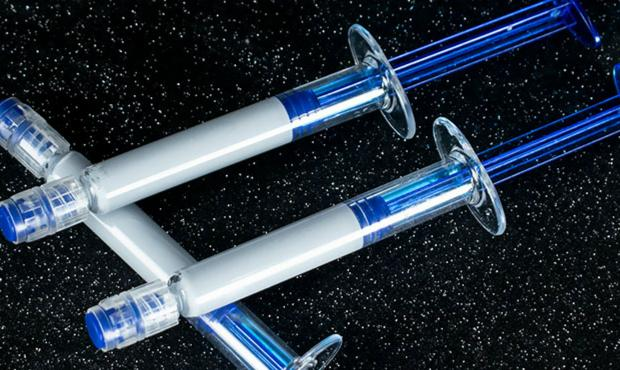
Temperature grease is commonly a white or gray paste, widely used in home appliances, automobiles, industrial electrical equipment, and various manufacturing processes. Choosing reliable products and following proper application methods will ensure stable and excellent thermal conductivity and heat dissipation.
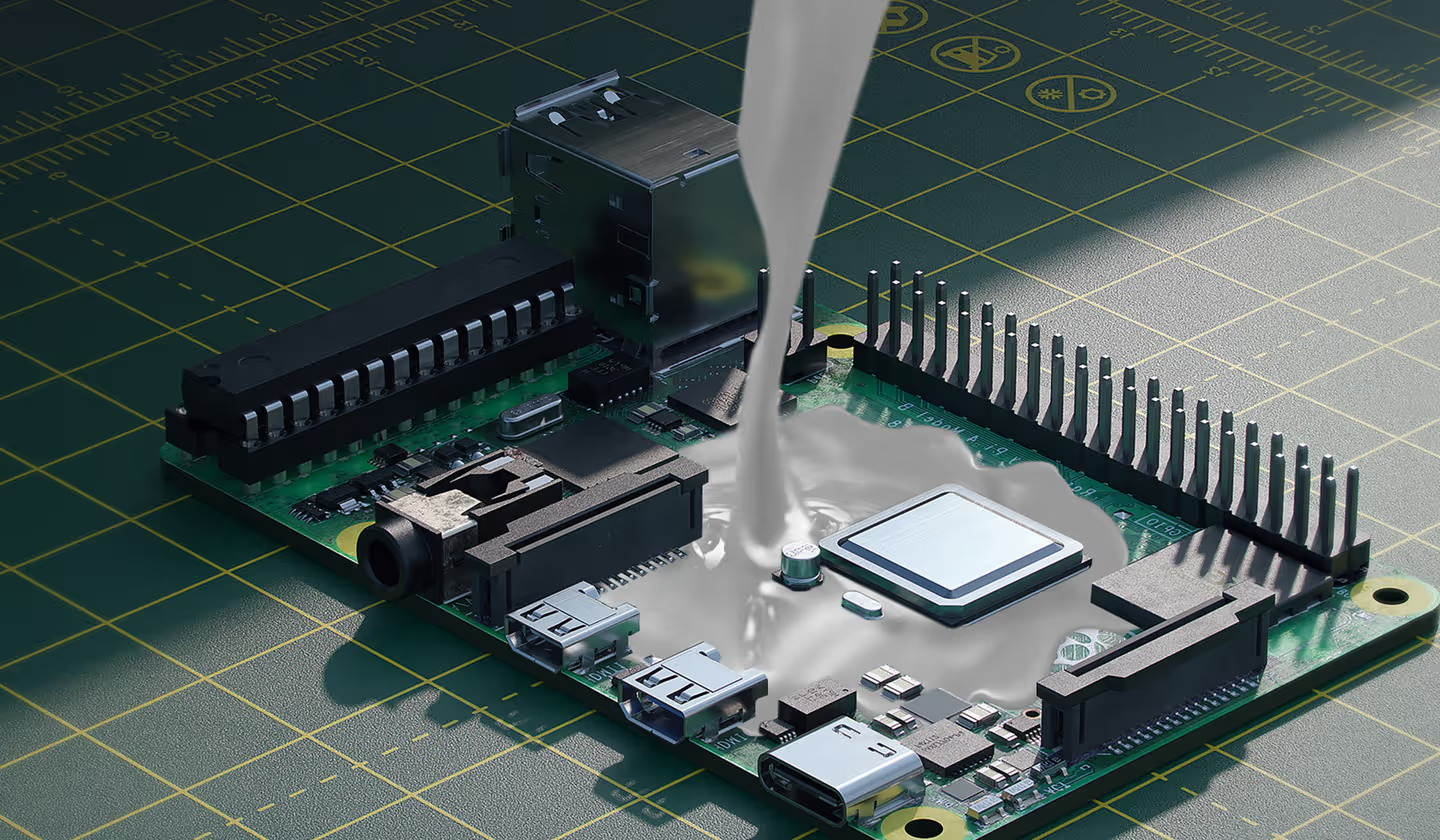
In the field of electronic component protection, the waterproof and moisture-proof properties of various adhesives are fundamental protective guarantees, effectively isolating components from the corrosive effects of moisture and humidity. Silicone potting compounds not only possess basic potting and sealing capabilities but also boast multiple superior properties, making them the preferred material for protecting precision components across various industries due to their comprehensive advantages.
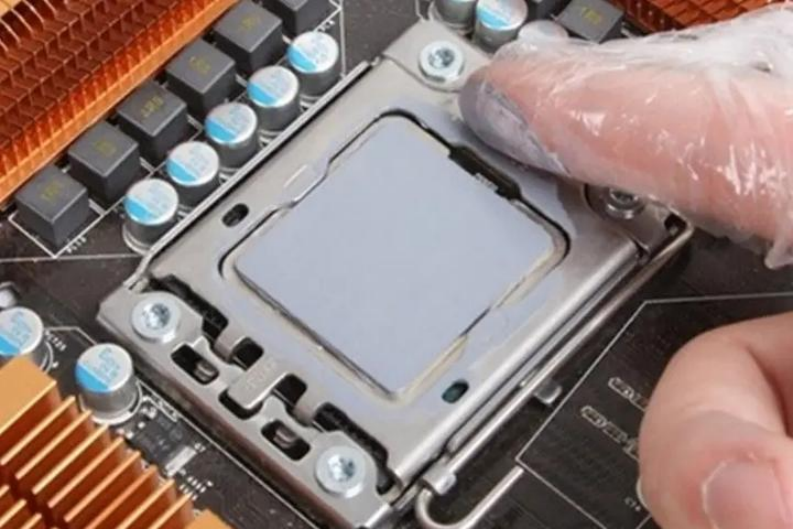
Thermal grease is a crucial thermal conductive material in electronic and electrical equipment. Although used in small quantities, it directly affects the heat dissipation efficiency of the equipment. Insufficient or substandard products can easily lead to equipment failure and significantly shorten its lifespan. Therefore, selecting high-quality thermal grease is paramount. TENSAN specializes in thermal conductive materials and focuses on the research and development of thermal grease, providing customized application solutions. Its products are suitable for various industries including new energy, military, medical, aerospace, shipbuilding, automotive, high-speed rail, general electronics, instrumentation, and power supplies.
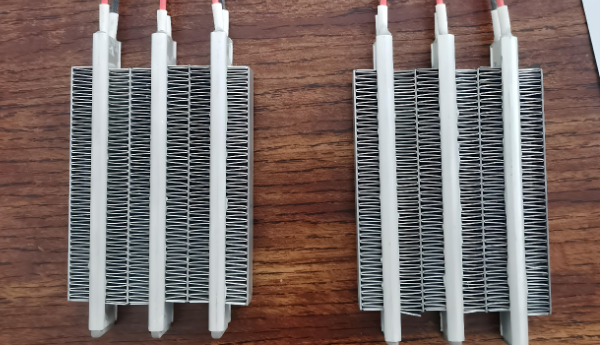
The adhesive industry is diverse, with different brands and specifications exhibiting significant differences in adhesive performance and applicable scenarios. Sealants, based on their curing methods, can be broadly categorized into silicone and two-component sealants. These differ in curing principles, application methods, and application areas, catering to various usage needs. Among various sealants, silicone sealants, due to their stable overall performance, are widely used across multiple industries, and their adhesive performance and core performance characteristics are of great interest.