




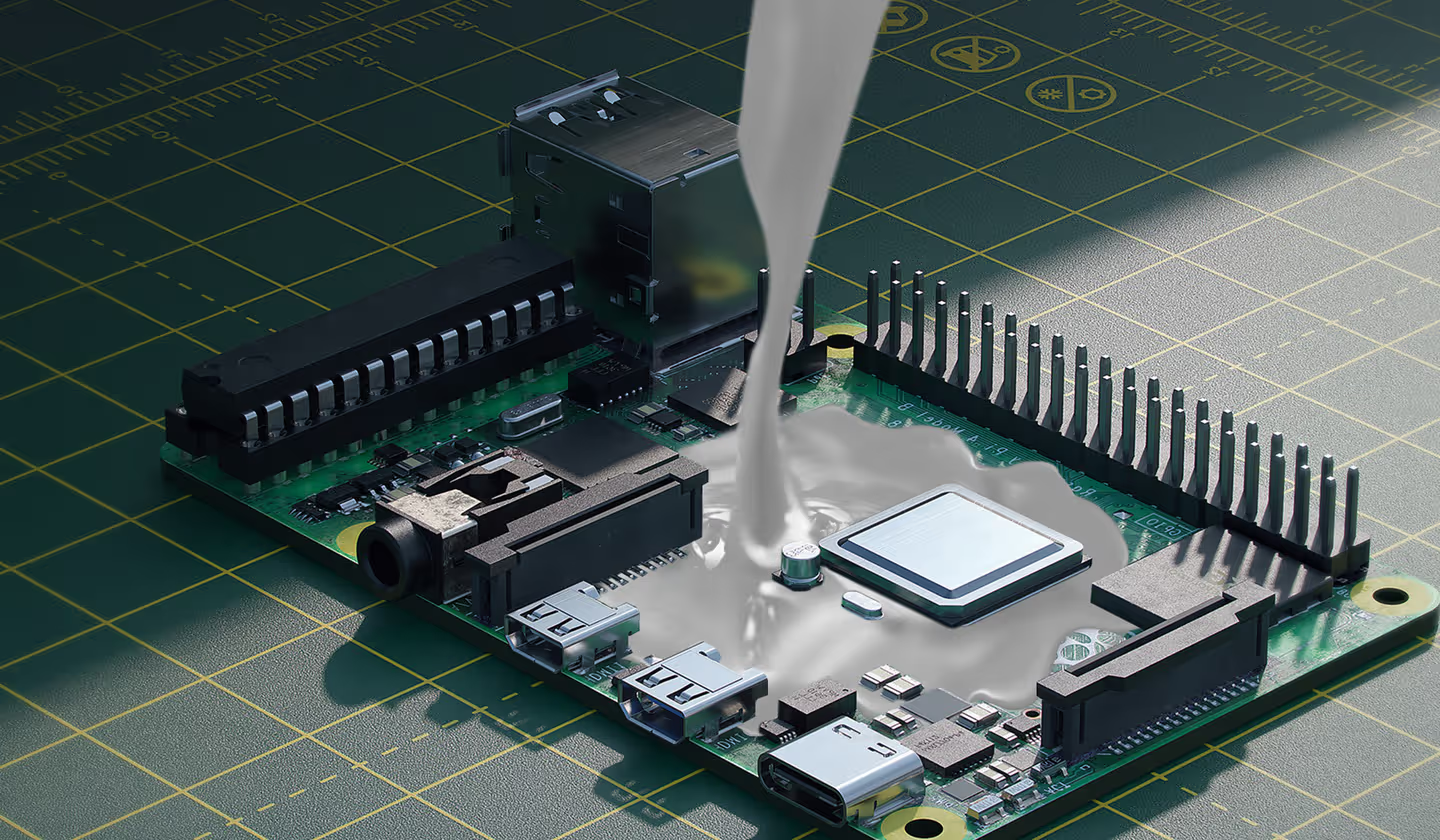
Potting compounds are key materials in the adhesive and electrical manufacturing industries. They come in a wide variety and are highly targeted to specific applications. Only by selecting appropriate products can their protective and reinforcing functions be fully realized.
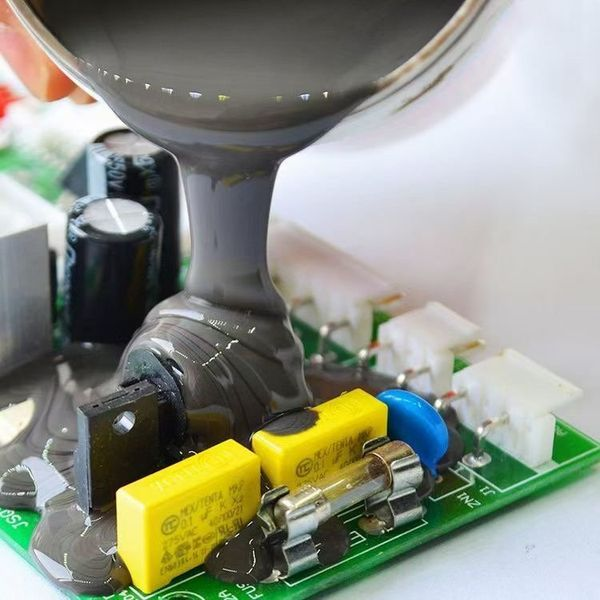
Potting compounds are used to encapsulate electronic components. This involves injecting a two-component liquid adhesive into the interior of a product containing electronic components and circuitry. After curing, it forms a thermosetting polymer insulating material, providing protection, insulation, and fixation. However, settling is a common problem with potting compounds during storage and use, and many users struggle to resolve it due to a lack of understanding of the causes. This article briefly analyzes the causes and impacts.
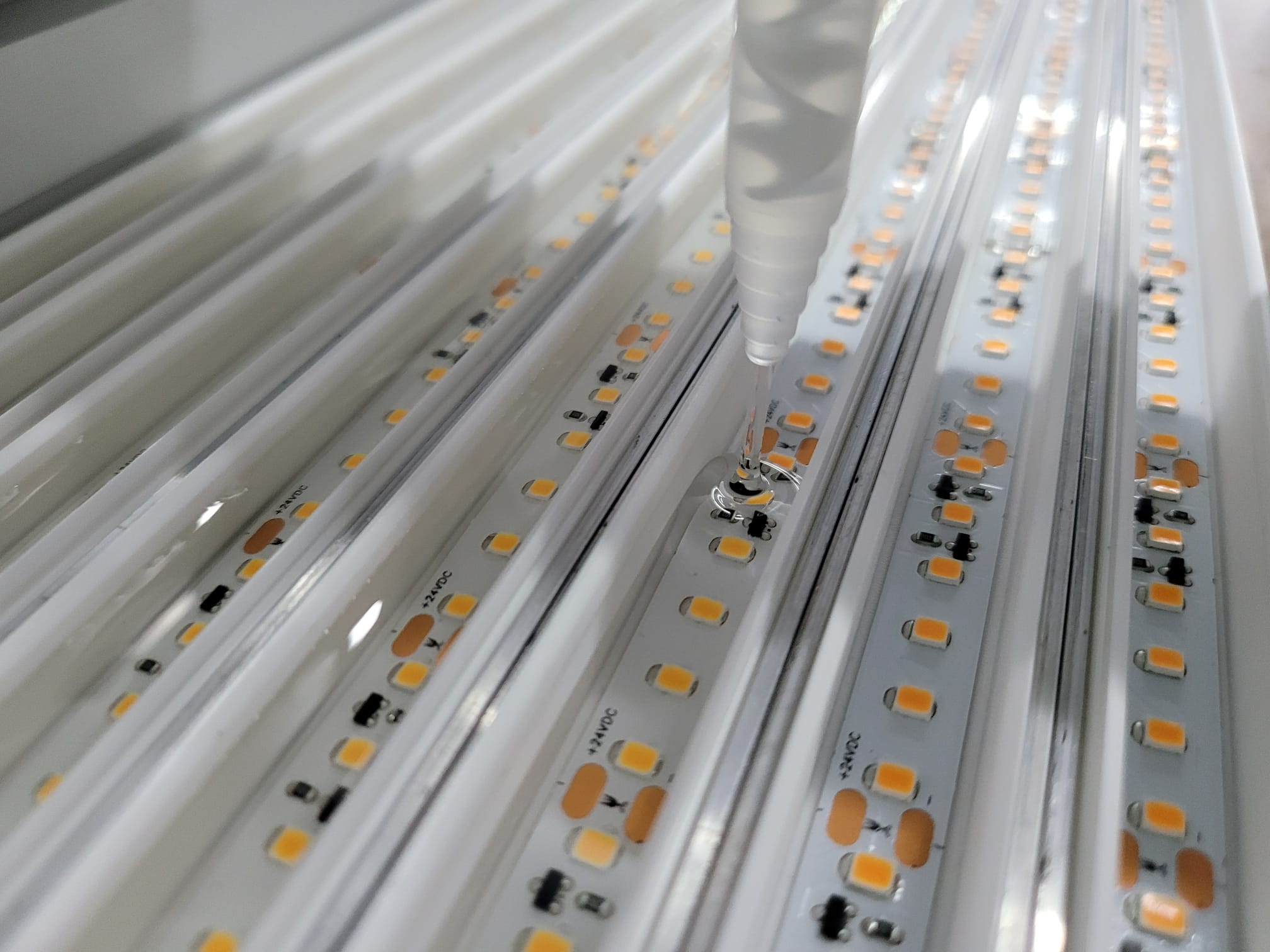
The application process of transparent potting compounds directly affects their final performance. The application procedure is basically the same as that of ordinary potting compounds. Strictly following the product instructions can effectively ensure bonding, sealing, and insulation effects.
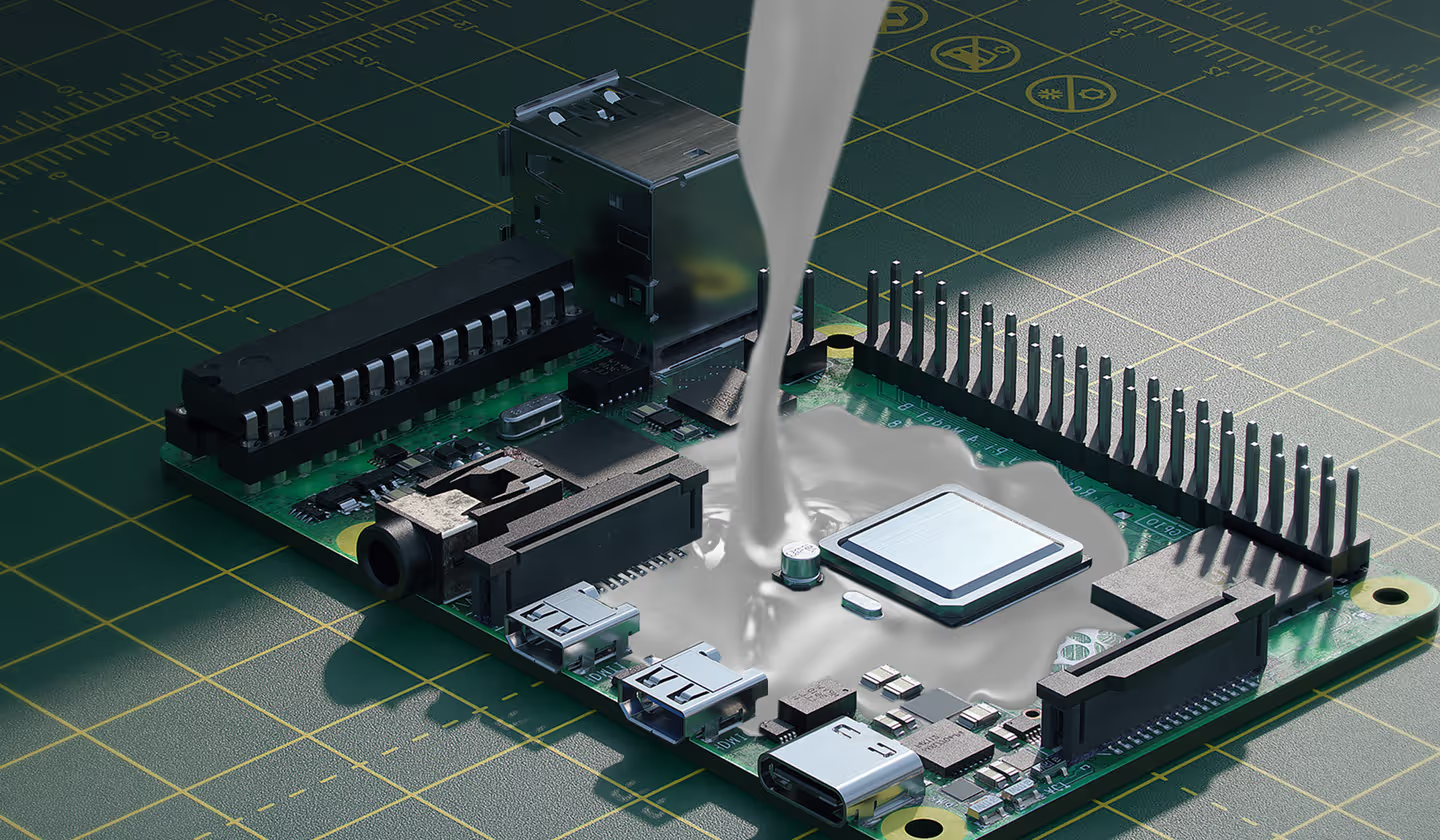
Silicone potting are a popular product in the adhesive market. With continuously improving performance and an increasingly diverse range of applicable scenarios, they are particularly favored by many manufacturers in industrial production due to their stable performance and wide applicability.
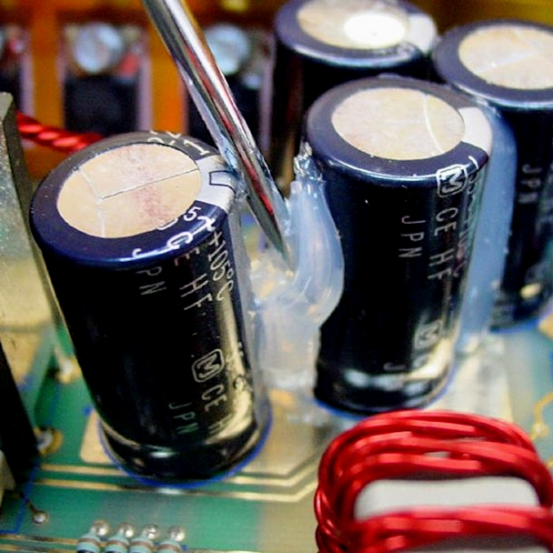
In the electronics industry, silicone adhesives primarily serve core functions such as sealing, fixing, and filling. Their full performance depends on the complete curing of the adhesive. To ensure normal and thorough curing of silicone adhesives, it is crucial to focus on various influencing factors during the deep curing process. The following will break down the key influencing factors and their specific mechanisms.
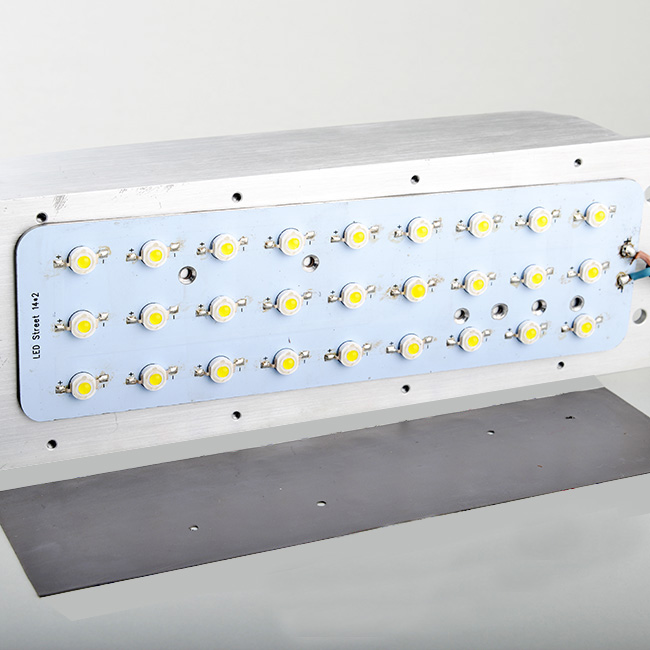
Thermal pads, also known as thermally conductive silicone pads or soft thermal pads, are designed to transfer heat through gaps. They fill the gaps between heat-generating and heat-dissipating components, achieving efficient heat transfer. They also provide insulation, shock absorption, and sealing functions, making them suitable for miniaturized and ultra-thin devices. They offer excellent processability and practicality, with a wide range of applicable thicknesses, making them a high-quality thermal filling material. Below are their core advantages and selection tips.