




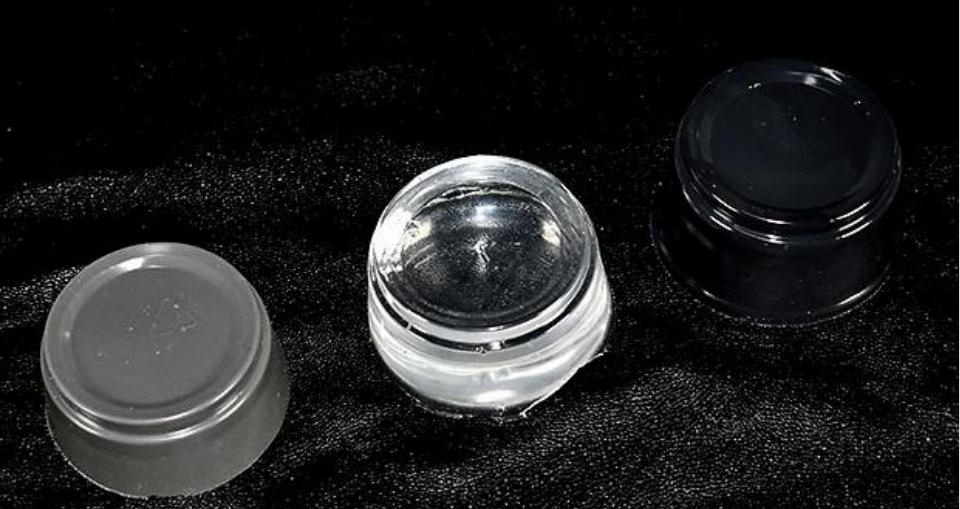
Many customers have heard of silicone potting and sealants, but often confuse the two, even mistakenly believing they are the same product. In fact, they are different products. While the core differences may not be immediately obvious, they differ significantly in applications and performance. Below is a detailed analysis.
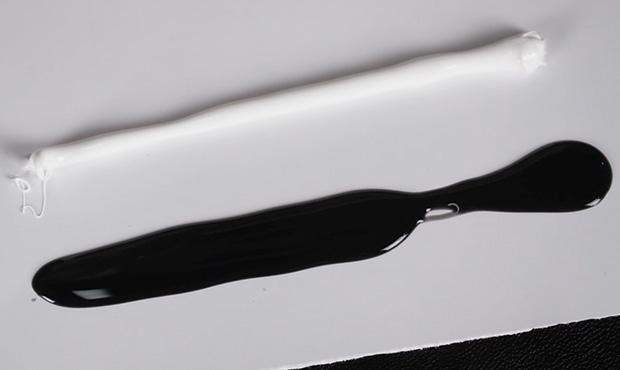
When using electronic sealants, deterioration may occur, manifesting as loss of basic adhesion, becoming too soft or too hard, making filling impossible, and ultimately losing its original sealing and protective properties. To avoid waste due to adhesive deterioration, preventative measures and proper storage are crucial.
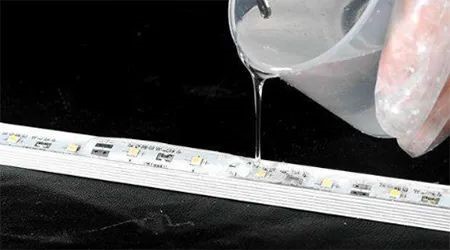
Silicone potting compound boasts excellent overall performance, providing outstanding electrical insulation, waterproofing, moisture resistance, and strong sealing after curing. It exhibits no significant shrinkage during curing, and the compound is soft and removable, facilitating disassembly and repair in case of electronic device malfunctions. It is a commonly used material for the encapsulation and protection of electronic devices. Many people are curious: What is the state of silicone potting compound after complete curing? Is it transparent?
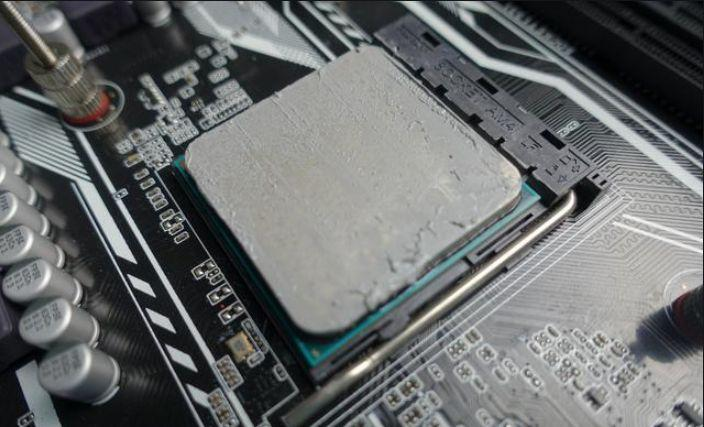
Many people are unaware of the actual function of thermal paste: the contact surface between heat-generating components such as CPUs and chips and the heatsink is not perfectly flat; tiny gaps, barely perceptible to the naked eye, are filled with air, which has extremely poor thermal conductivity. Applying thermal paste between them perfectly fills these gaps, expelling air and creating an efficient heat conduction channel, allowing heat to be quickly conducted from the heat-generating component to the heatsink, fully utilizing the heat dissipation capacity of the heatsink.
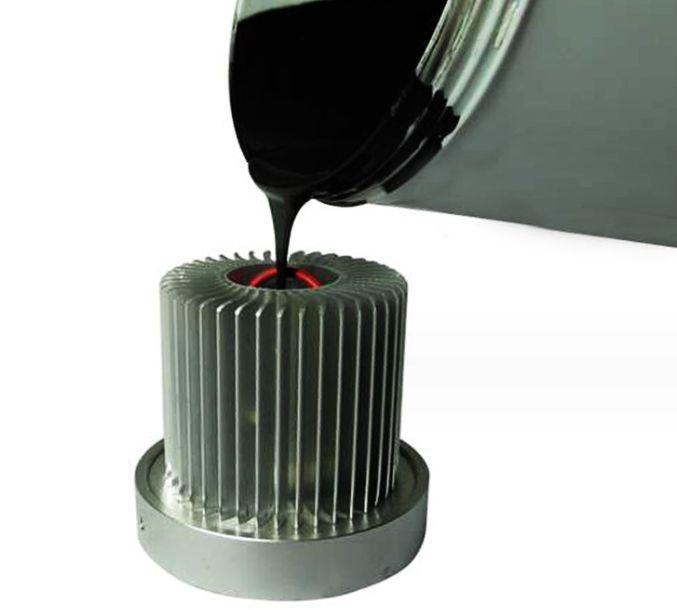
For high-quality electronic potting compounds, thixotropy and weather resistance are two indispensable core properties, directly determining their performance, operational efficiency, and lifespan. They also need to be combined with other key properties to meet the encapsulation requirements of various electronic components.
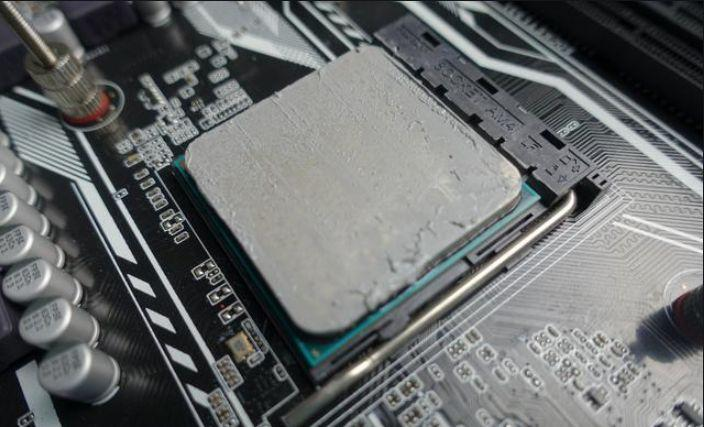
Thermal pads (also known as thermally conductive silicone pads) are indispensable heat dissipation auxiliary components in electronic devices, primarily used to fill the gaps between electronic components and heat sinks or product casings. They possess excellent adhesion, flexibility, compressibility, and thermal conductivity, effectively expelling air between contact surfaces and ensuring full contact between electronic components and the heat dissipation structure, significantly improving equipment heat dissipation efficiency. While the operation of thermal pads is relatively simple, attention to detail is crucial; slight negligence can compromise their heat dissipation performance. The following details the correct use of thermal pads to help ensure standardized operation and optimal heat dissipation.