




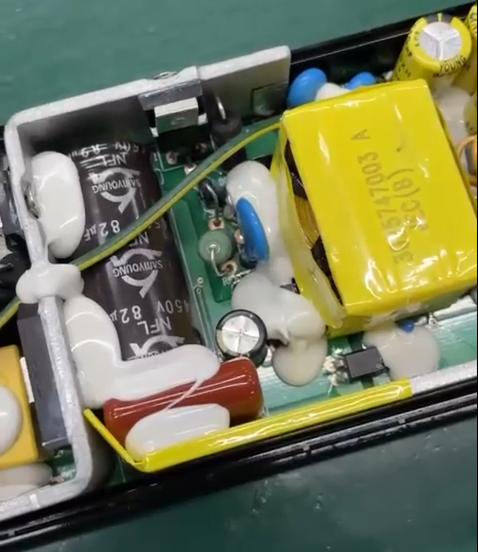
Silicone sealant is a one-component sealing material that self-cures upon contact with air. It possesses excellent elasticity and hardness, is not easily deformed during use, and exhibits stable performance, meeting long-term application requirements.
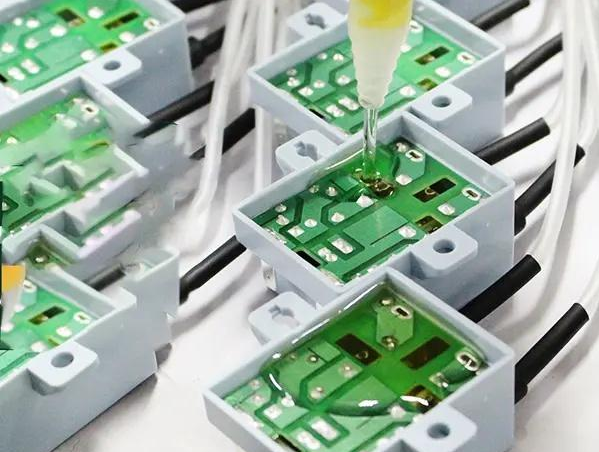
Thermally conductive potting compounds and thermally conductive greases are widely used thermally conductive materials in electronic products. They not only achieve efficient heat dissipation but also possess excellent waterproof, moisture-proof, and insulating properties. Under their protection, the operational stability and performance of electronic products can be effectively improved, and their lifespan extended.
A:As the electronics industry moves towards precision and diversification, solder paste and SMT red glue have become indispensable electronic consumables in the SMT field. However, they differ significantly in several aspects, as follows:
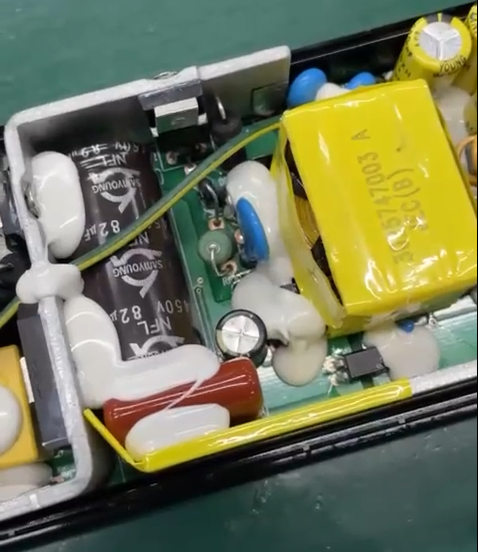
Silicone sealants are widely used in the electronics and electrical appliance manufacturing industry. According to different classification standards, Silicone sealants can be divided into several types: by vulcanization method (wet air vulcanizing and thermoforming Silicone sealants); by form (paste and hot melt Silicone sealants); and by application method (curing and non-curing Silicone sealants).
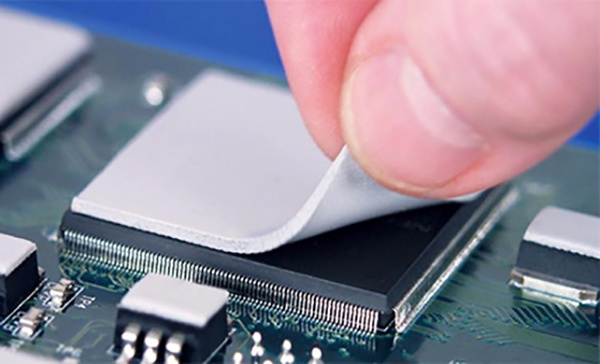
Heat dissipation is crucial for ensuring the lifespan and luminous effect of LED lighting fixtures. Thermally conductive silicone sheets and thermally conductive grease are commonly used heat-conducting materials, each with its own advantages and disadvantages. The choice must be made based on the application scenario and performance requirements; there is no absolutely "better" solution, only the most suitable one.
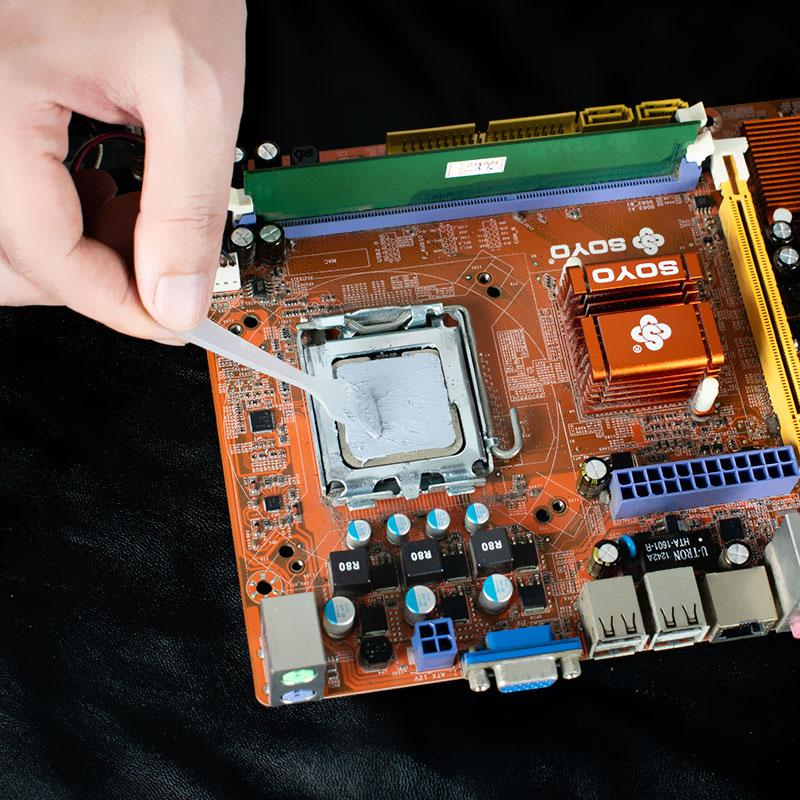
During the daily use of electronic products, issues such as overheating, performance lag, and motherboard burnout are common malfunctions. When disassembling devices for troubleshooting, one often discovers that the surface of the thermal paste has dried out and cracked. As the critical medium for heat conduction, the condition of thermal paste directly determines heat dissipation efficiency and the service life of electronic products; once cracking or pulverization occurs, the heat dissipation function is severely compromised. Based on practical application scenarios, the cracking of thermal paste is not a random occurrence; it is primarily caused by three core factors: insufficient mixing prior to application, residual low-molecular-weight components in raw materials, and an excessive oil separation rate in the product. The specific causes are broken down as follows: