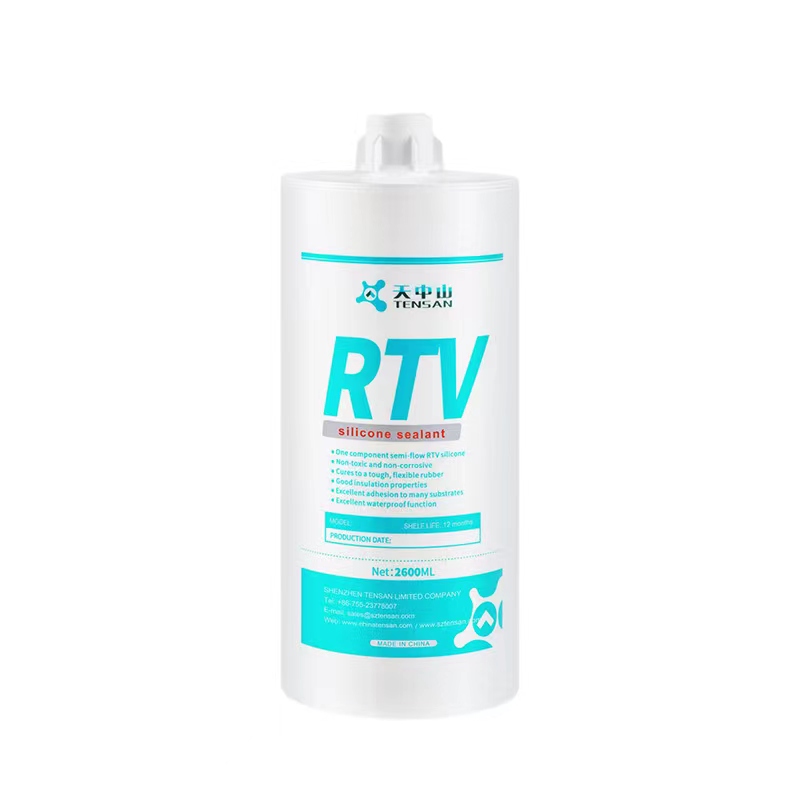

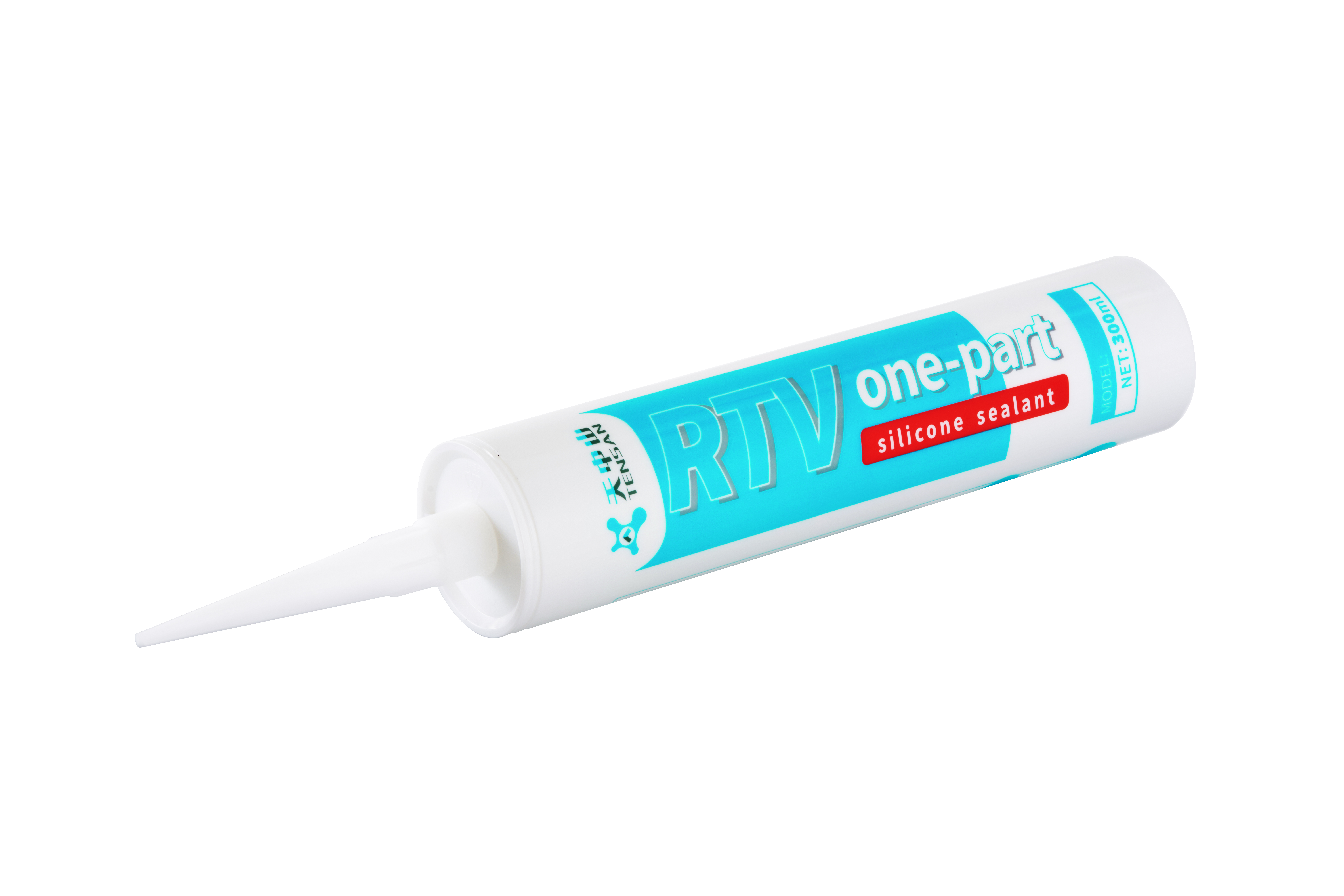
What is the use of single component sealant? The single-component sealant can be used for bonding electronic components, electrical components, electrical shell bonding, automotive taillights bonding. The colloid presents the semi-flowing state, once solidified, the waterproof performance is outstanding, and has a good insulation effect, becomes an indispensable adhesive in the manufacturing industry.
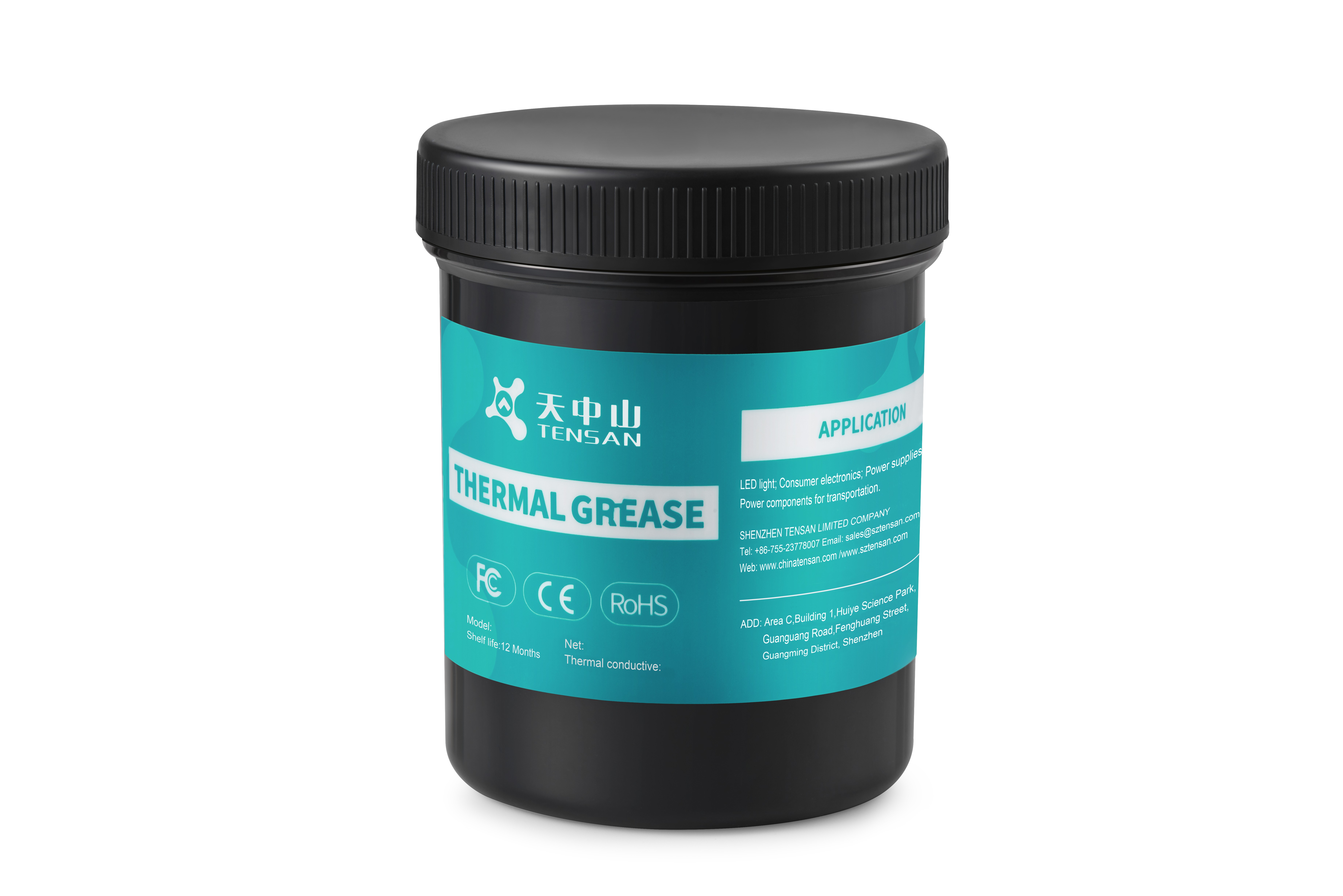
Thermal paste is a material with thermal conductivity. This material has been widely used in televisions, computers, refrigerators, communication equipment, electronic products, rice cookers, induction cookers and other electrical appliances. Thermal conductive paste has an inconspicuous appearance and is widely used in electrical appliances that need to conduct electricity.
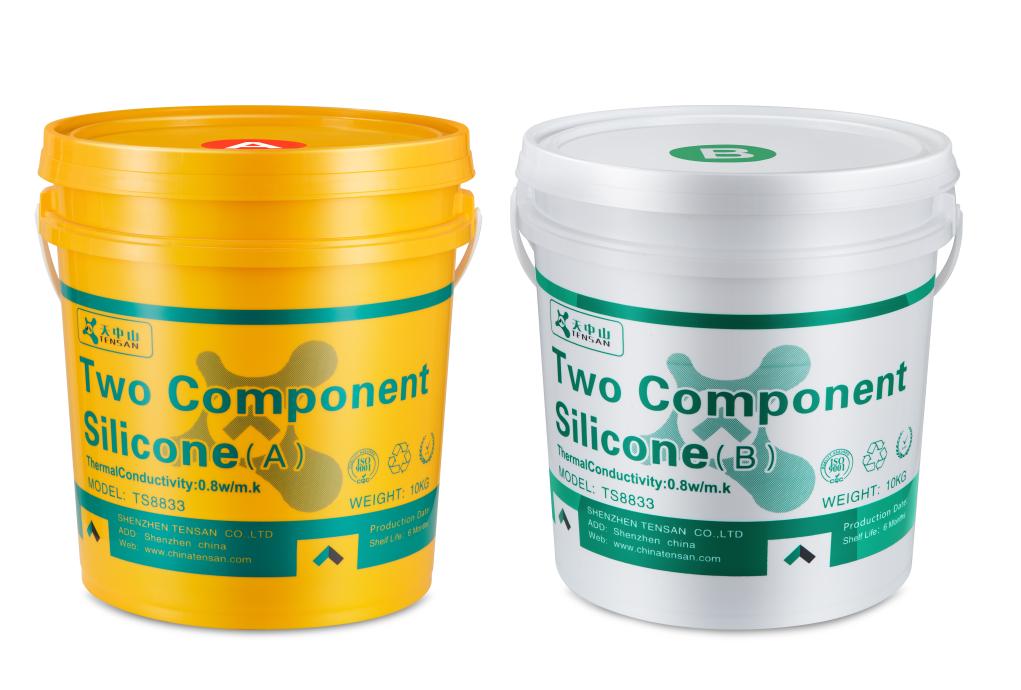
Two-component silicone potting glue is a potting material made of two components AB and cured at room temperature or by heating. The main functions of potting are sealing, waterproofing, thermal conductivity, etc.
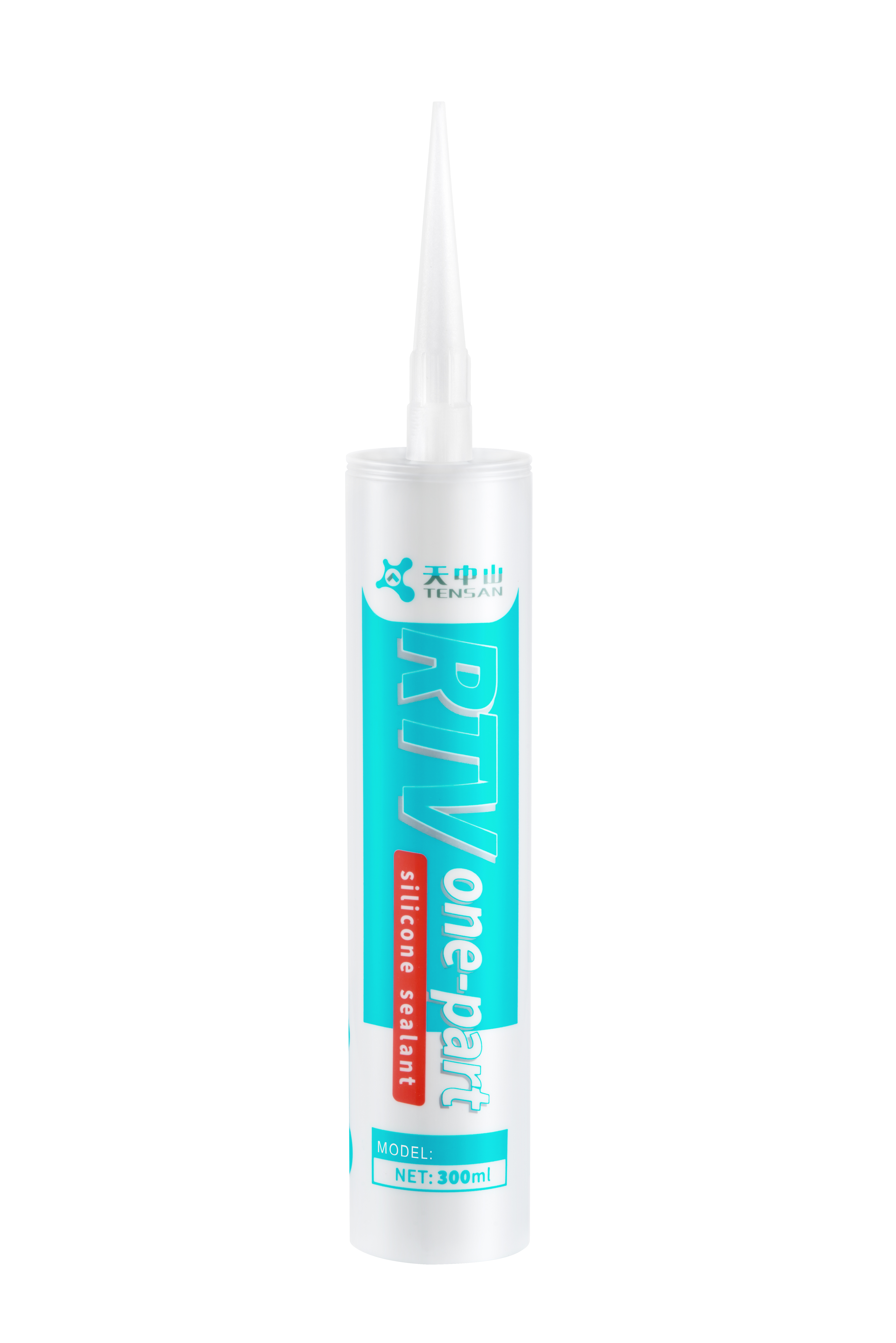
Silicone sealant is a type of sealant. This kind of sealant is divided into two types: single-component and two-component. Single-component silicone sealant is easy to use and does not require complicated steps. So one-component silicone sealant is so easy to use, but what about its bonding ability?
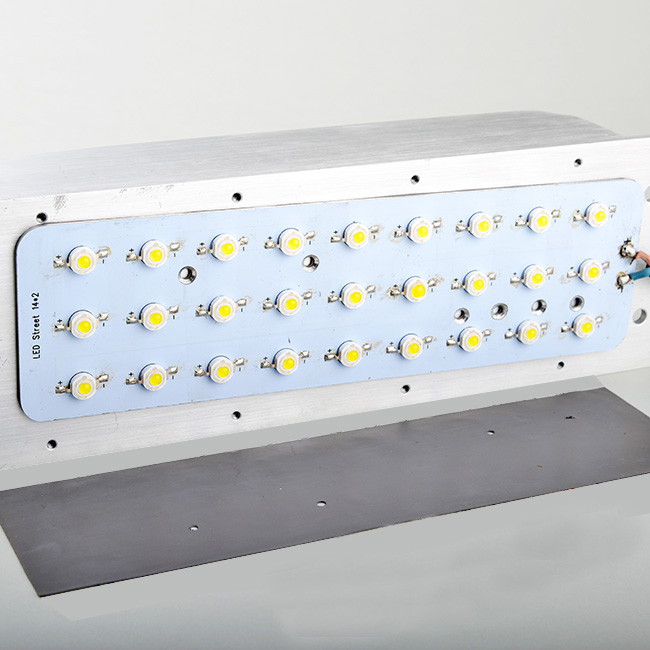
Thermal conductive gaskets, also known as thermally conductive silicone sheets, are mainly used for the transfer interface between electronic equipment and heat sinks or product shells. They have good viscosity, flexibility, compressibility and excellent thermal conductivity, allowing them to fully utilize electronic originals during use. The air between the heat sink and the heat sink is exhausted to achieve sufficient contact and the heat dissipation effect is significantly improved. The operation process of the thermal pad is relatively simple, but there are a few points that need to be paid attention to. A little carelessness may damage the heat dissipation function of the silicone sheet. Today I will mainly talk about the correct use of thermal pads.
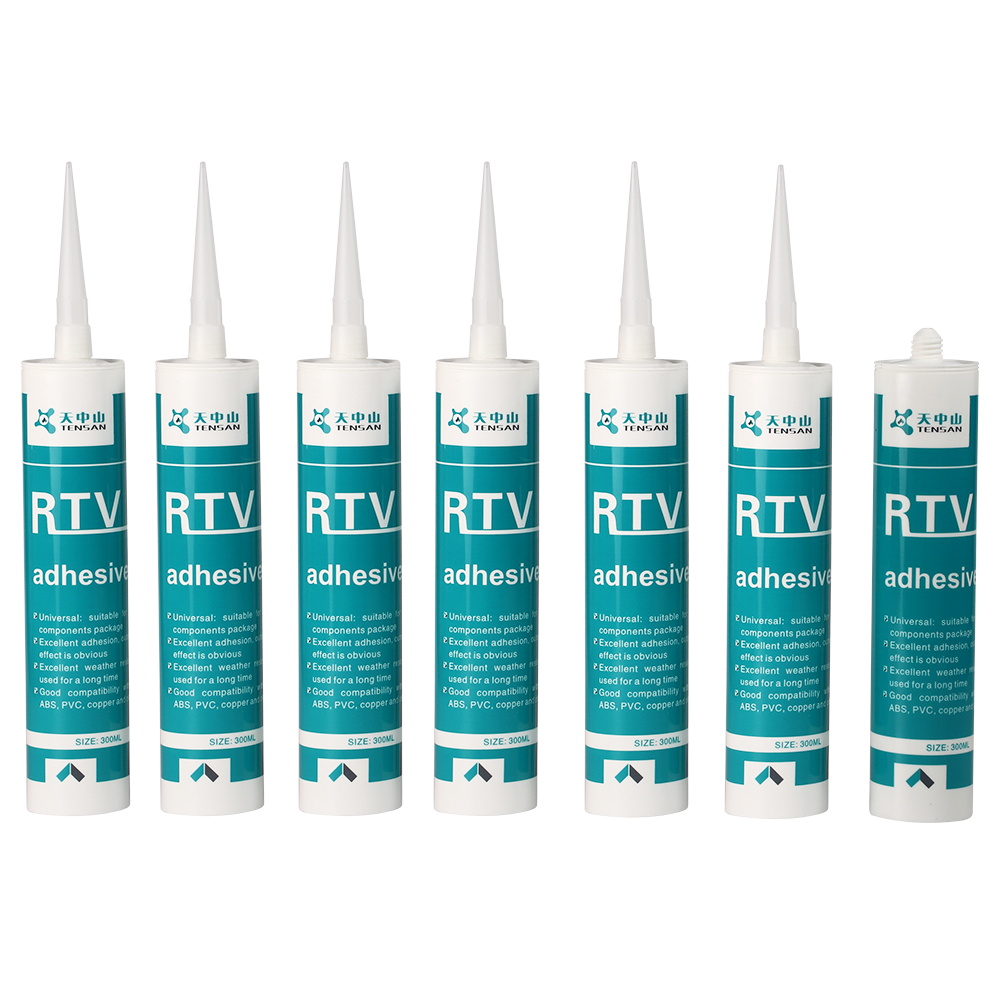
The sealant does not cure for a long time because the product has expired, the storage environment is inappropriate, and the sealant is affected by the surrounding environment during the curing process. The first two factors can be achieved as long as we pay a little attention, so how should we avoid the third factor?