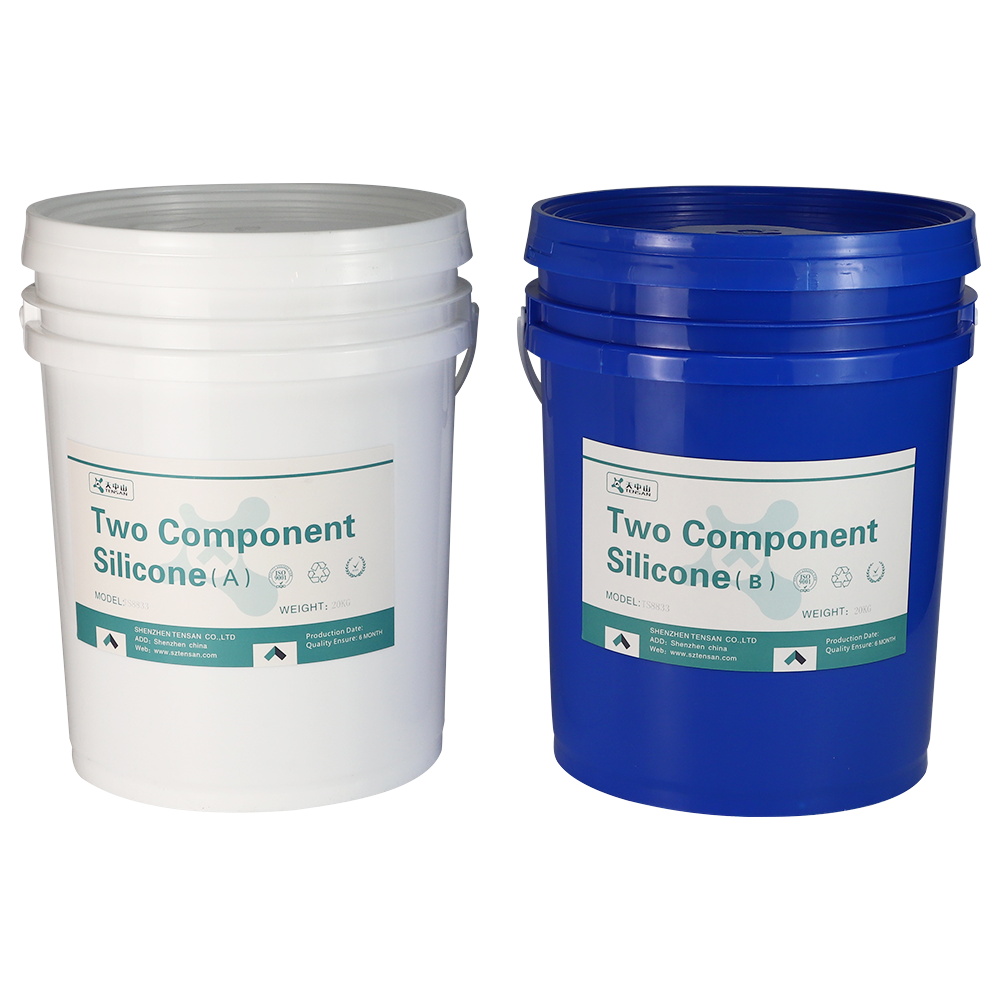

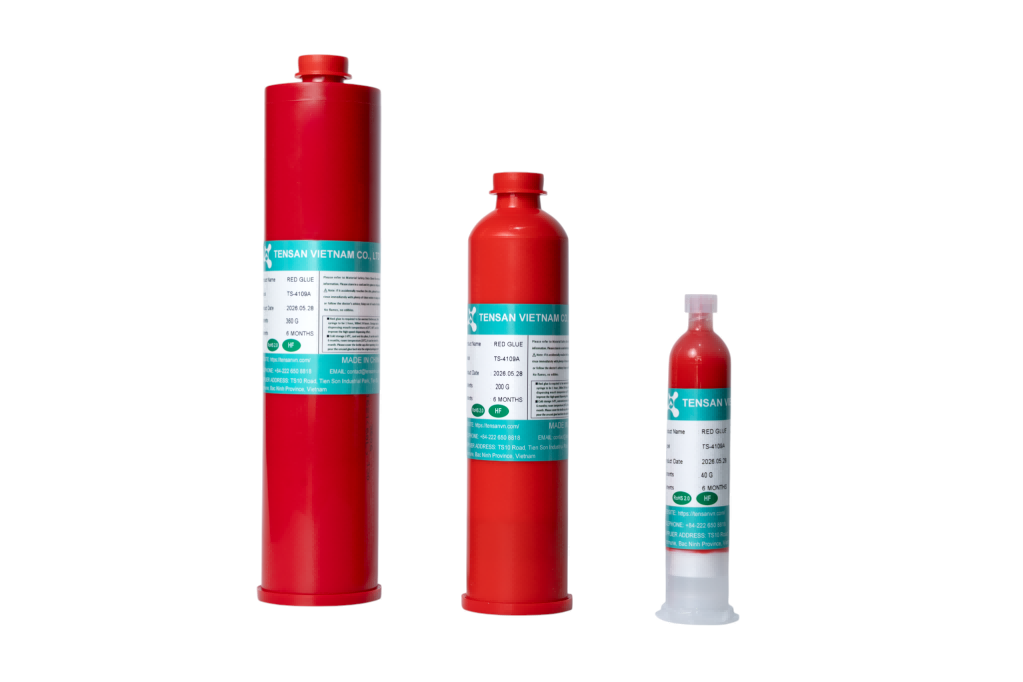



In the adhesive market, electronic potting adhesives are divided into several categories. There are thermal conductive potting adhesives, epoxy resin potting adhesives, polyurethane potting adhesives, and LED potting adhesives. These types of adhesives have their own characteristics and can be used in different fields.
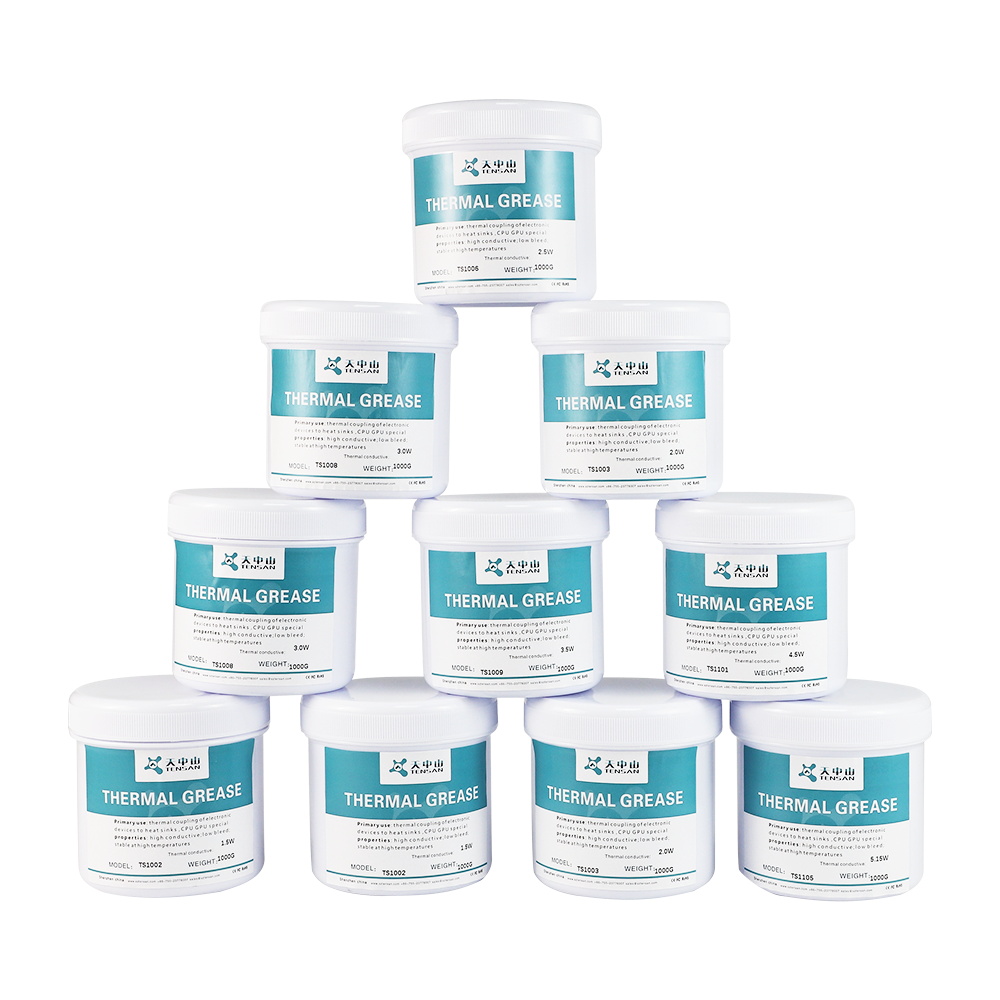
In the adhesive industry, the usage rate of heat dissipation silicone grease is very high, which can exert the performance of rapid heat conduction and is applied in many industries. After being applied correctly, it can prevent moisture, dust, heat dissipation and corrosion, greatly enhancing the protection value.
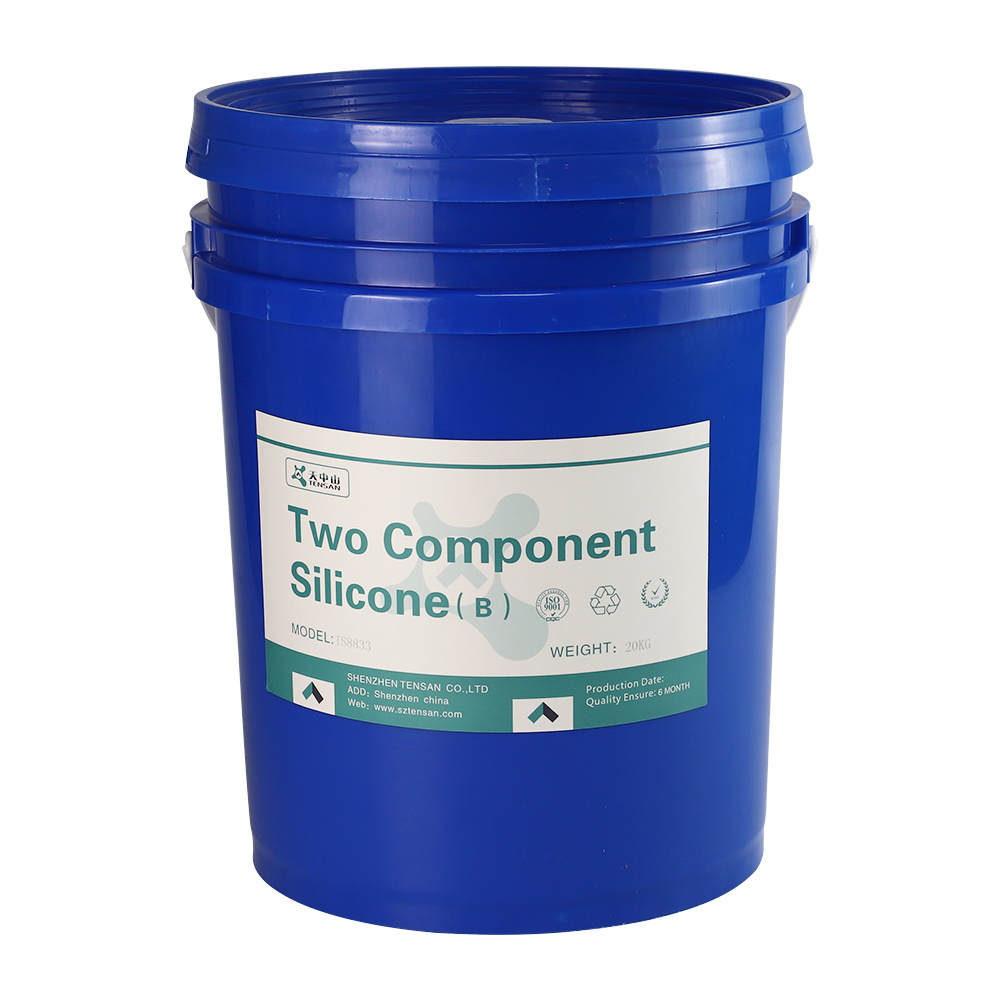
In today's market, electronic potting compounds are more popular and can shine in many industries. Why is this adhesive popular in the market, and why is the usage rate so high? It is closely related to its own performance!
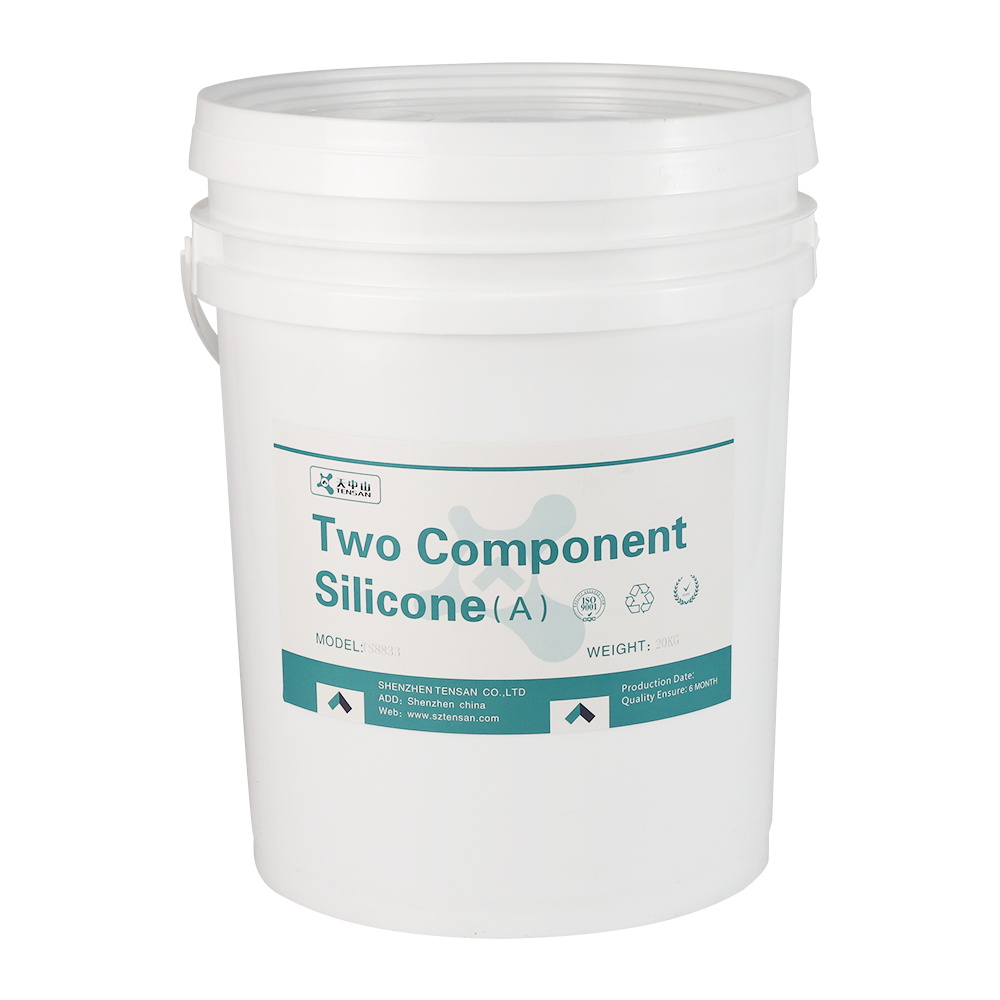
With the continuous increase of the types of potting adhesives, there are also different types according to different materials. Among them, the popularity of silicone potting glue is not bad, and it is used in many fields. Especially in industries that use electronic components, the use rate of this adhesive is very high.
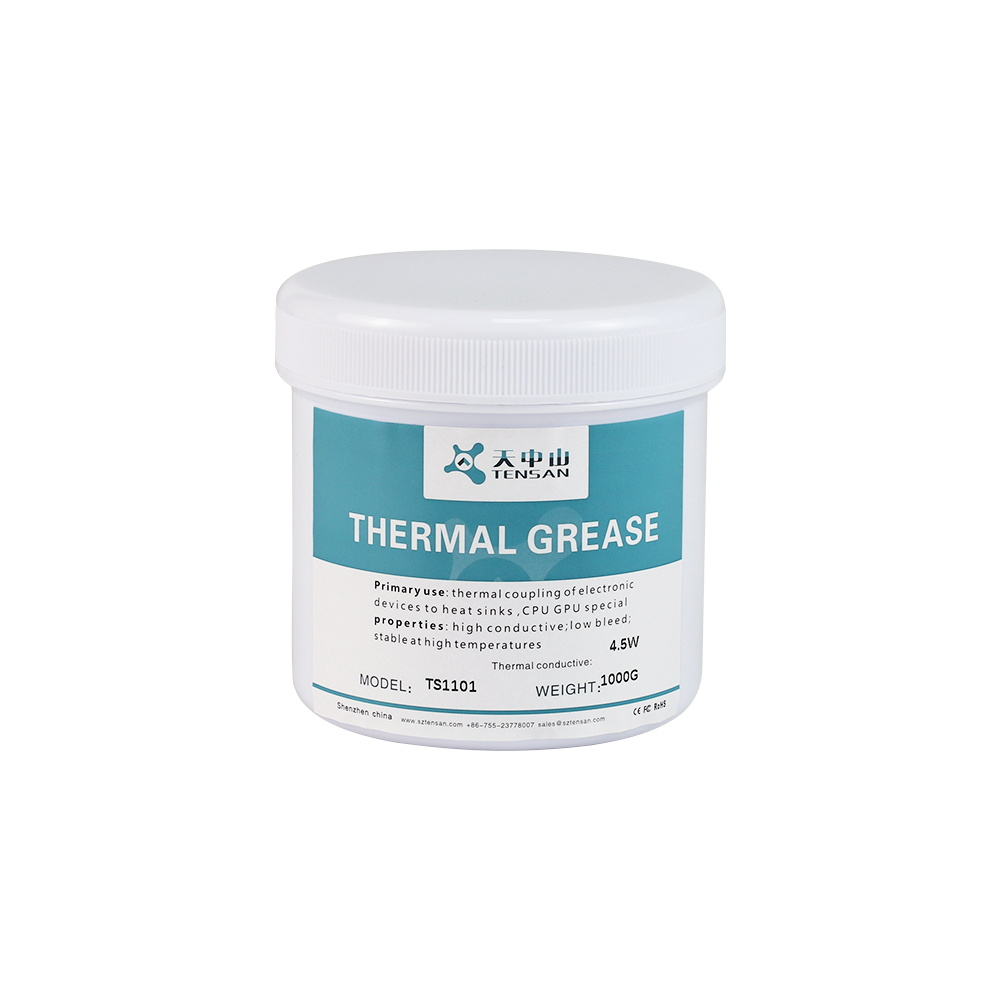
Many people are not familiar with heat dissipation silicone grease, and do not know what kind of product it is. Its main raw material is organic silicone, and heat-resistant and heat-conducting materials can be added during use to improve its performance.