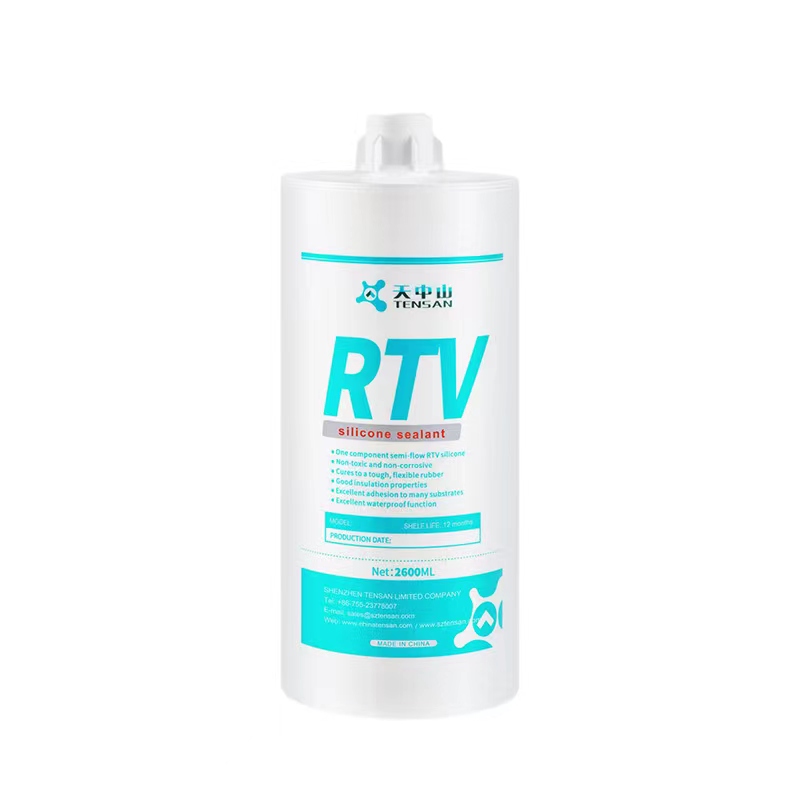

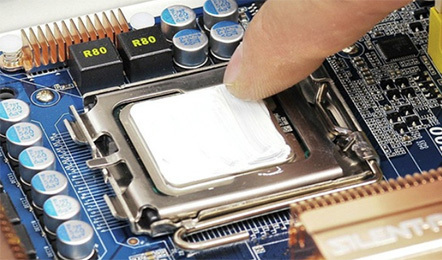
Many electronic products are affected by the high temperature caused by the work, which directly leads to the rapid shortening of the service life of the product, and even stops working after the high temperature. However, the existing heat dissipation system can not meet the needs of the work at all, until the emergence of thermal grease, which effectively solves the problem of heat dissipation. The problem also reflects the importance of thermal grease. Therefore, the thermal conductivity of thermal grease is very important, so what factors will affect the thermal conductivity of thermal grease?
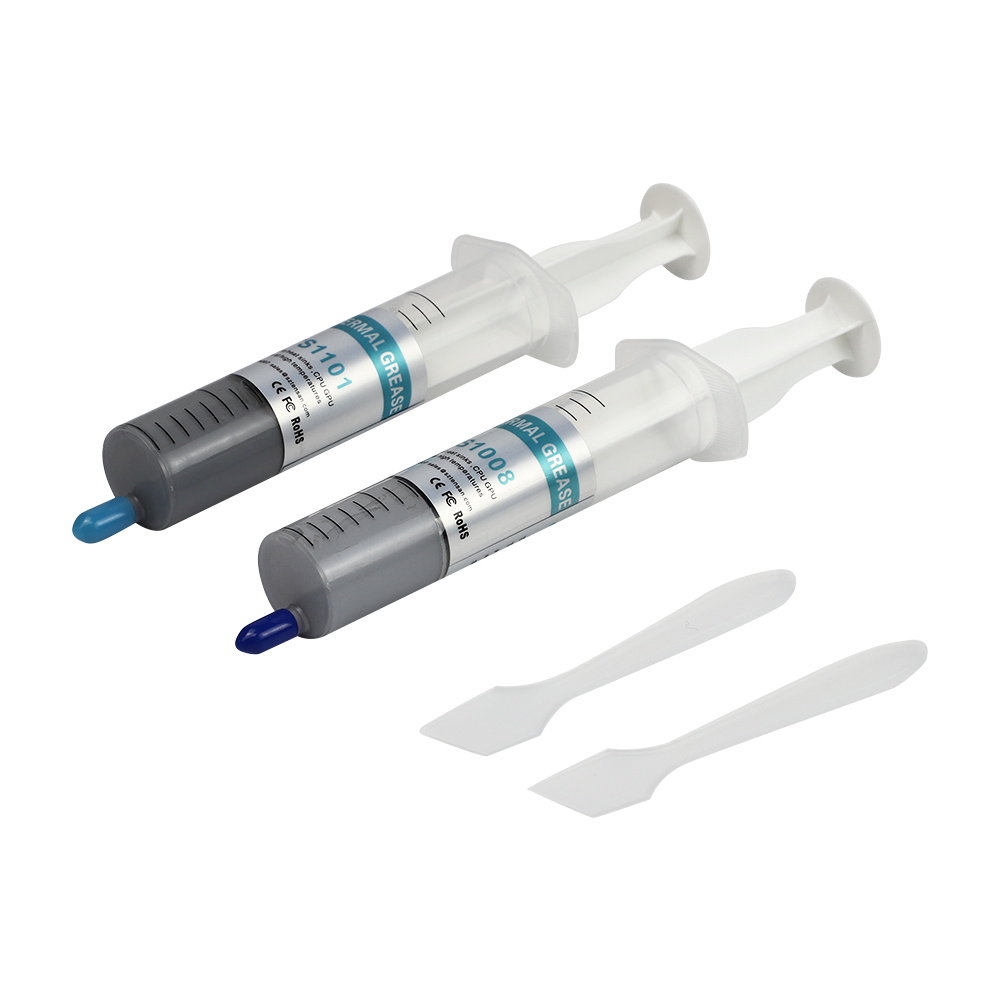
Thermal grease plays a vital role in the electrical appliance manufacturing industry. Unlike other adhesives, thermal grease will not cure after being applied, and the next step of construction can be carried out without waiting. In order for thermal grease to perform well, in addition to product quality, it is also necessary to pay attention to construction methods.

Thermal pads fill the air gap between a heat-generating device and a heat sink or metal base, and their flexible, resilient characteristics allow them to be used to cover very uneven surfaces. Heat is conducted from discrete components or the entire PCB to the metal enclosure or diffuser plate, increasing the efficiency and lifespan of heat-generating electronic components.
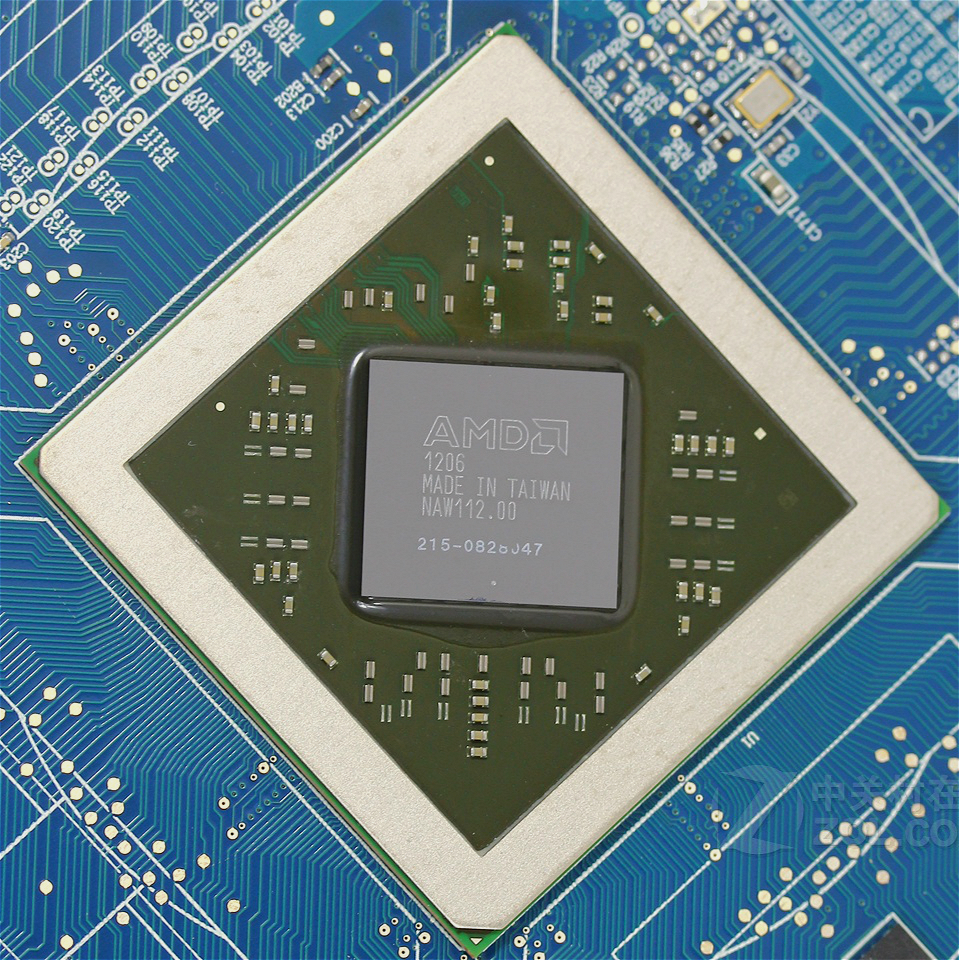
The thermally conductive silicone sheet is a thermally conductive medium material synthesized by a special process with silica gel as the base material and various auxiliary materials such as metal oxides added. It can fill the gap, complete the heat transfer between the heating part and the heat dissipation part, and also play the role of insulation, shock absorption and sealing.
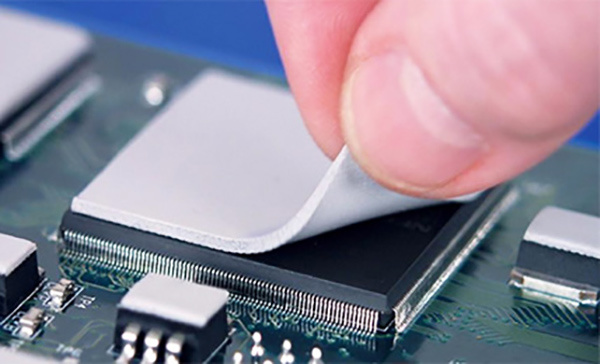
Thermal pad, also known as thermally conductive silicone sheet, is mainly used for the transfer interface between electronic equipment and heat sink or product shell. The air between it and the heat sink is exhausted to achieve full contact, and the heat dissipation effect is significantly improved.
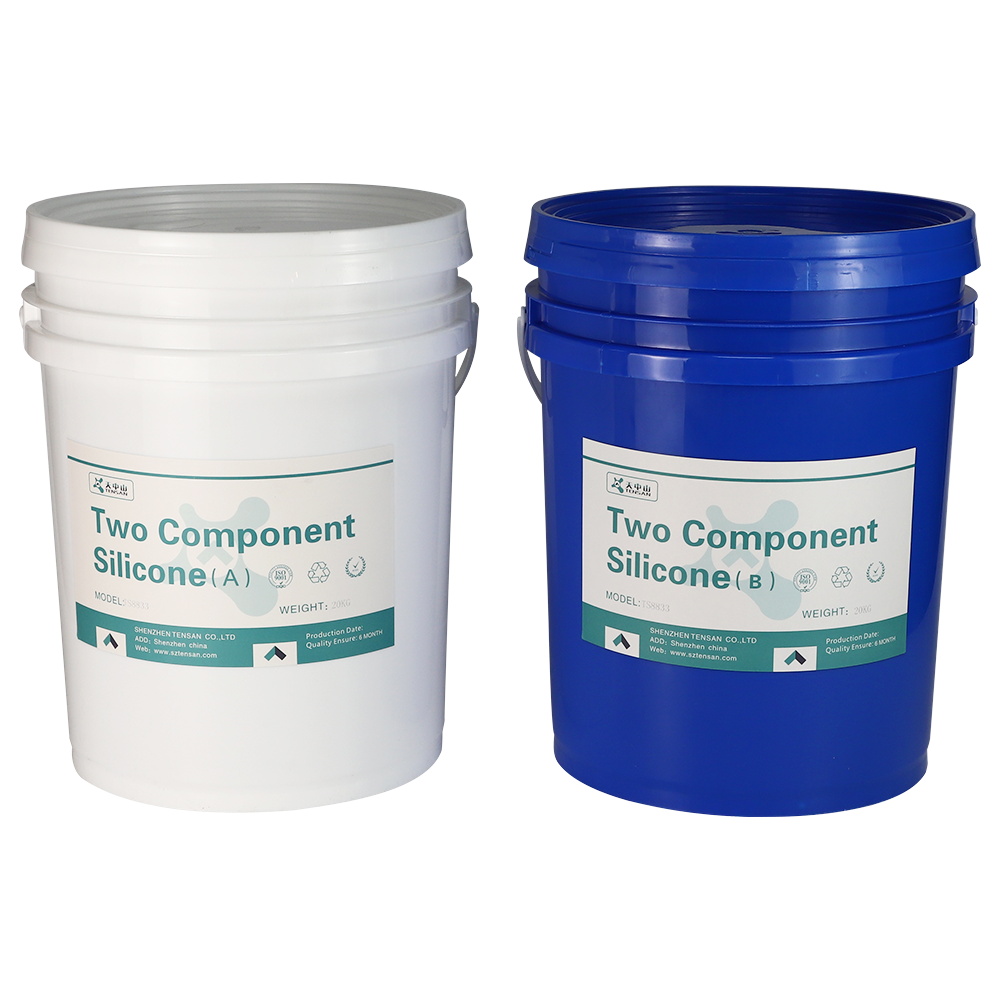
Silicone potting is a product that can be used in many fields and has been warmly welcomed in the adhesive market. With the continuous improvement of the performance characteristics of silicone potting, the scenes suitable for use are becoming more and more abundant, especially in the process of various industrial production, silicone potting is an adhesive method that many manufacturers choose to use.