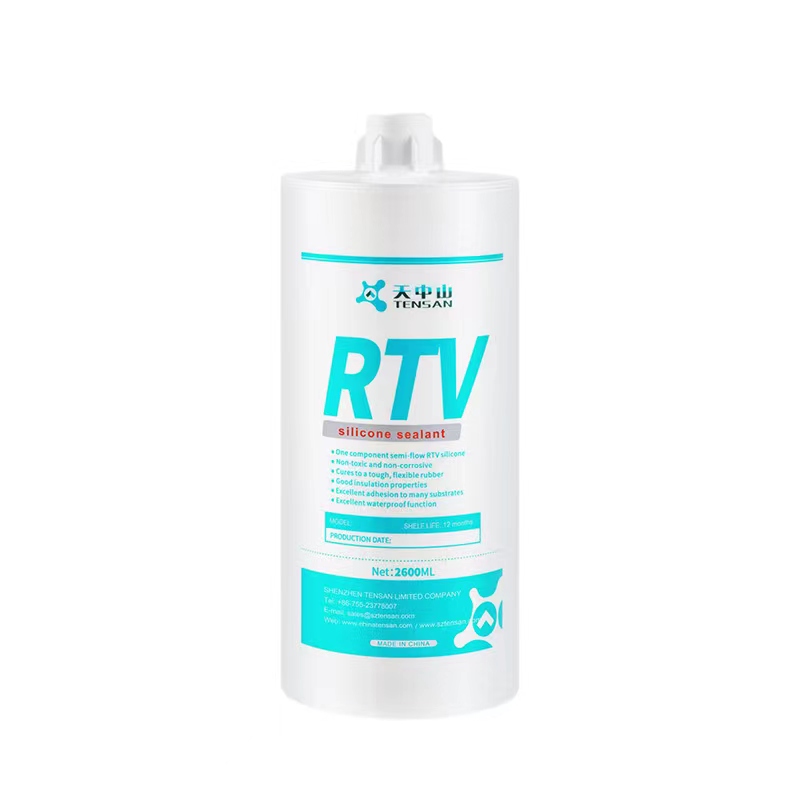

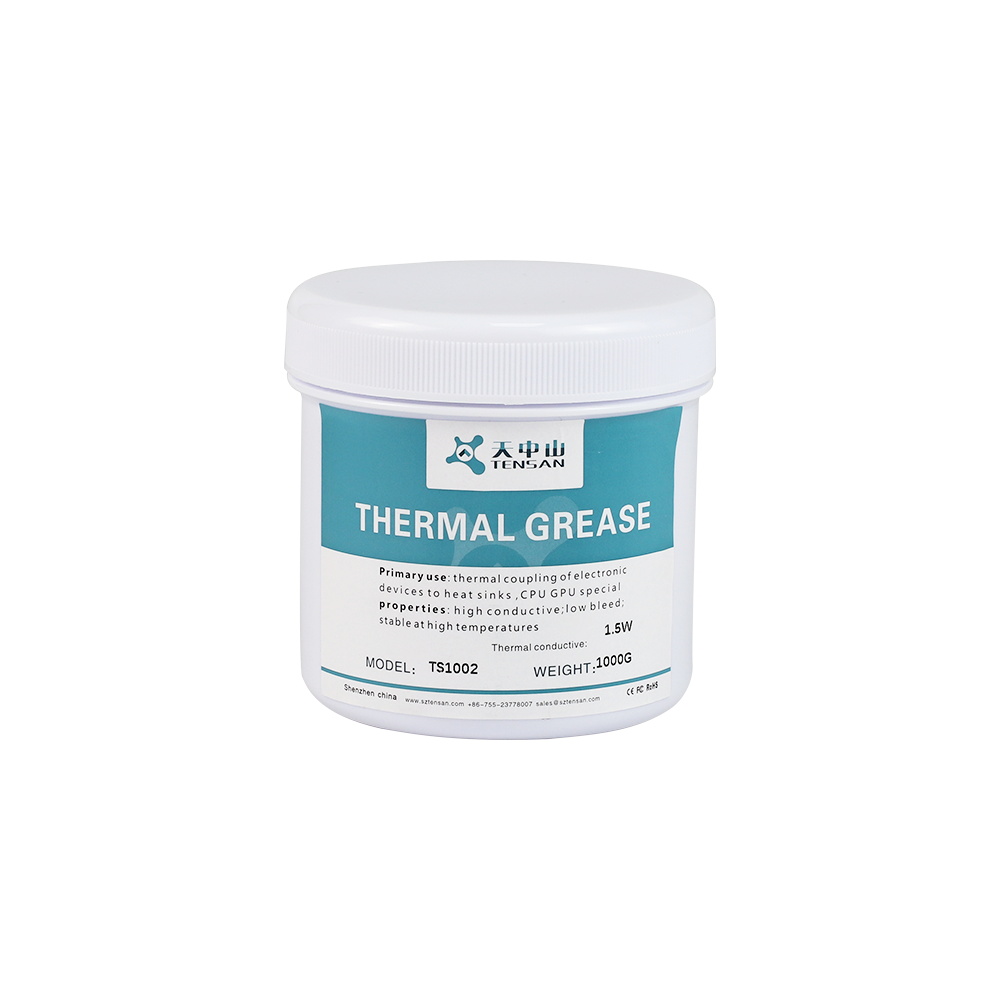
In thermal interface materials, both thermal grease and thermally conductive silicone can play a role in thermal conductivity. However, they are not the same product and should not be confused. Thermally conductive silicone has adhesive properties and is cured at room temperature. The thermal grease will not be cured and has no adhesiveness, so it cannot be used in combination.
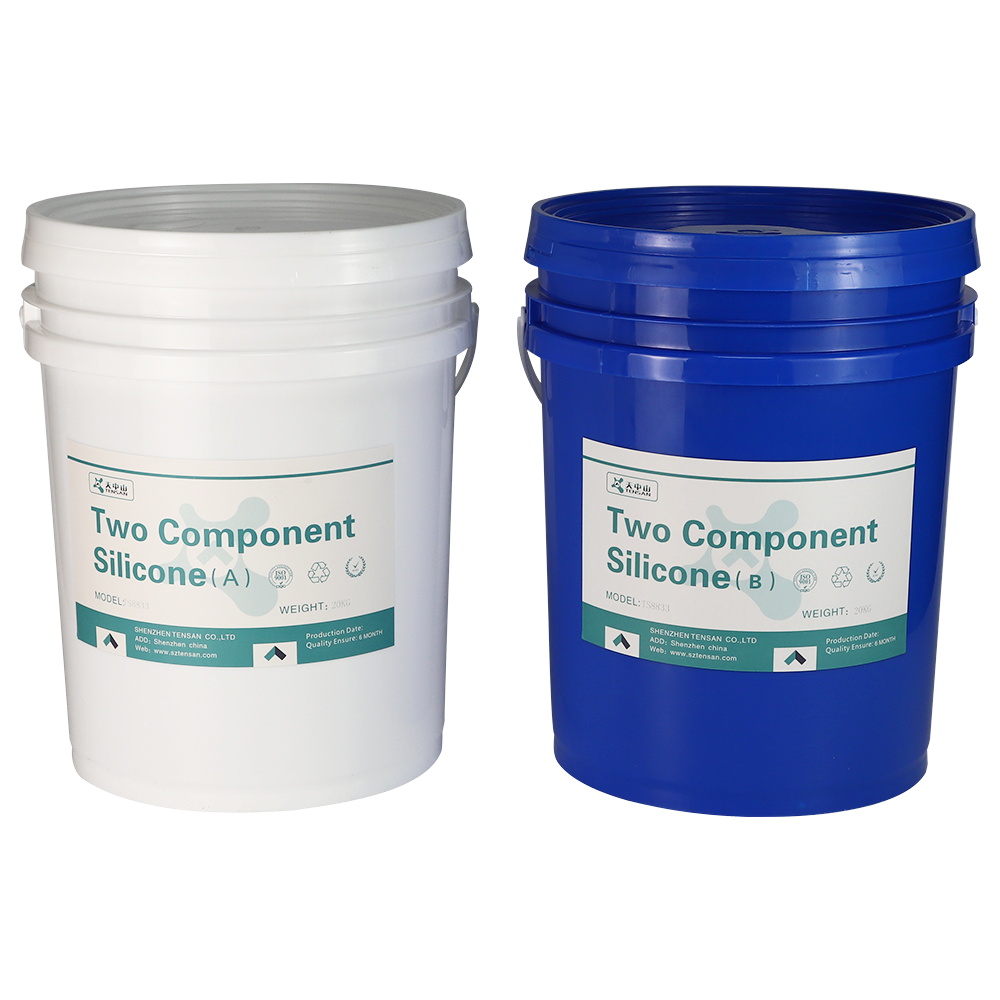
Some users found that the electronic potting glue is not easy to cure, which affects the normal use. In this case, don't worry, patiently look for the reason for not curing, and solve them one by one, then you can use it with confidence.
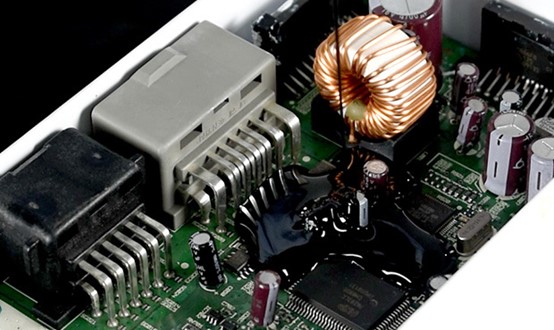
Thermally conductive potting glue and thermal grease have always been used in many electronic products. They can not only efficiently dissipate heat, but are also waterproof and moisture-proof, and have good insulation. Under the protection of these thermally conductive materials, the stability and performance of electronic products can be improved and longevity.

Before using a lot of sealant, it is best to do all aspects of testing. Bond different materials and learn about adhesion, cure time, and other properties. After doing the test, find out a more reasonable allocation ratio, reduce the consumption of materials as much as possible, but do not affect the performance of various performances.
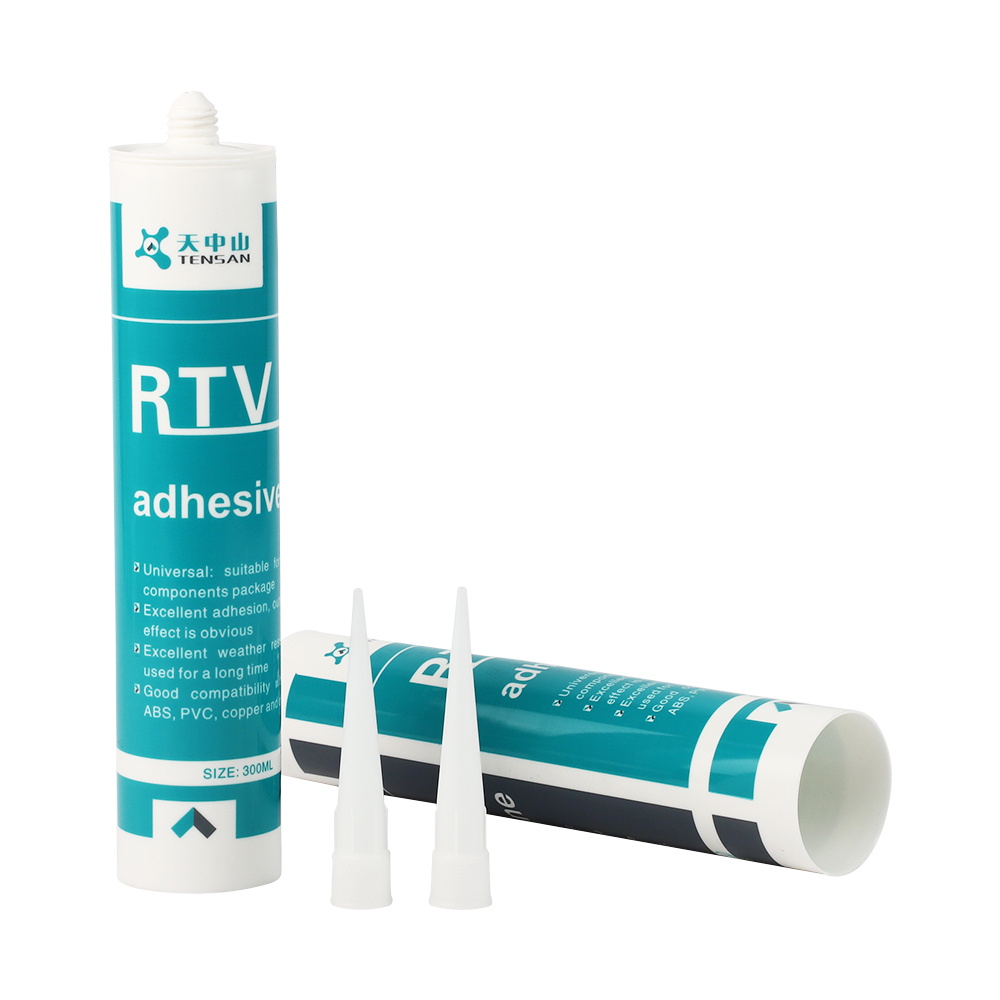
Identifying the quality of silicone sealants should start with the following: tear strength, bonding strength, anti-aging ability, whether there are particle bubbles on the appearance, curing time and the capacity of the adhesive.
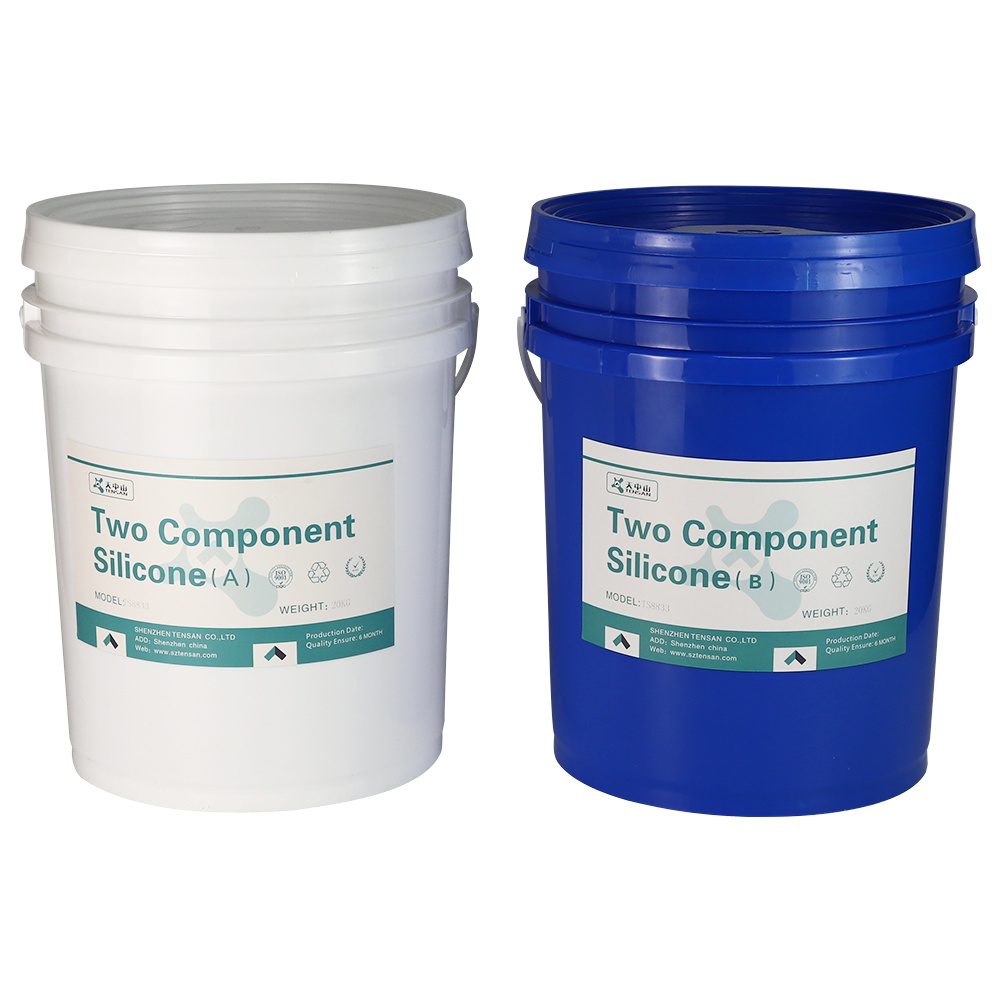
For high-quality electronic potting glue, it should have good thixotropy. This is a basic performance. With good thixotropy, it can be quickly extruded or sprayed without delaying the operation time. After a quick operation, the color is unchanged and the performance is unchanged.