




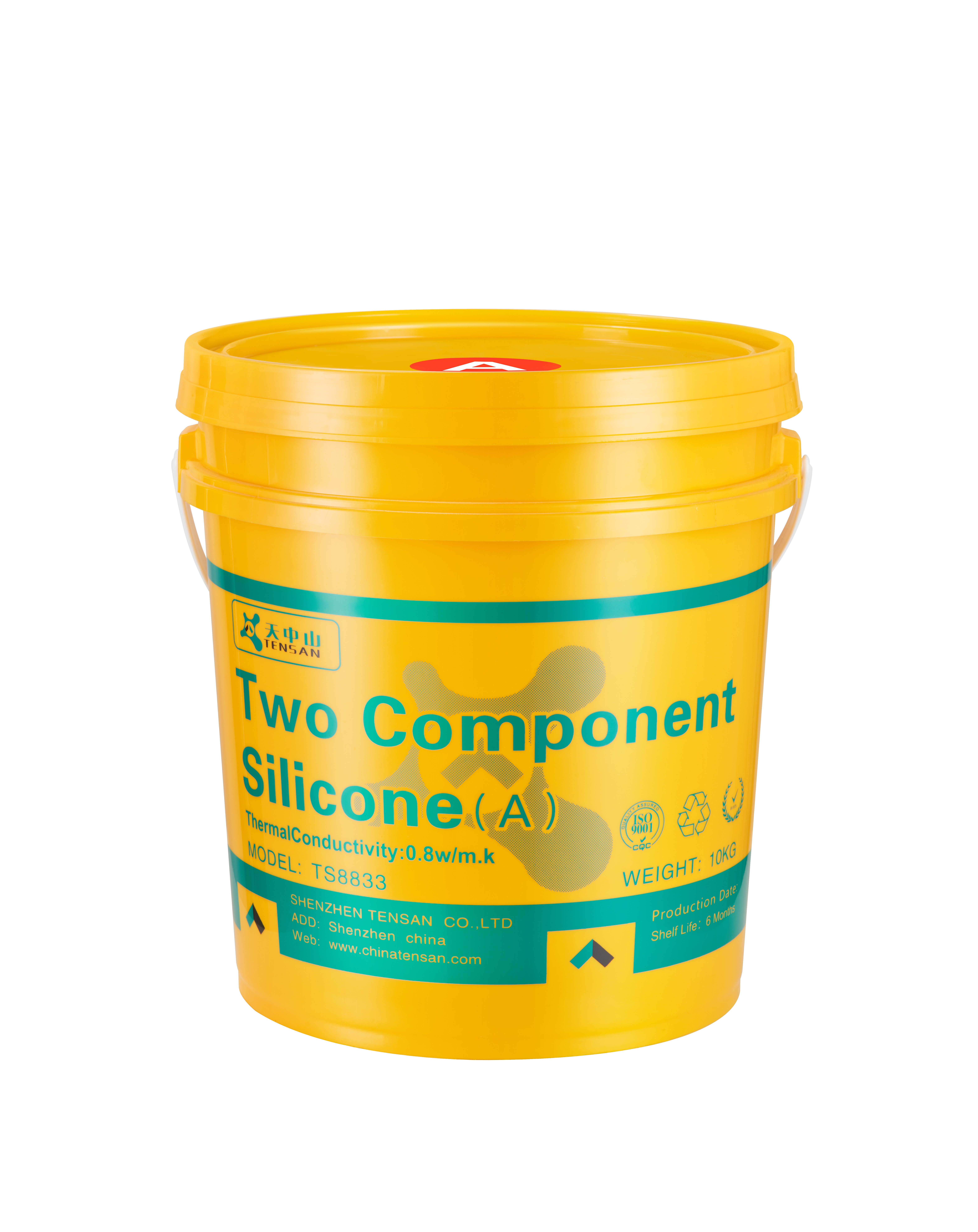
In the field of modern industry, silicone potting glue, as a multifunctional and efficient industrial material, is increasingly receiving widespread attention and application. Its unique properties make it the first choice in many industrial sectors.
Landscape lighting fixtures are a very common product in our daily lives. They not only have lighting functions, but also have strong ornamental properties. Landscape lighting fixtures can use different shapes, light colors and brightness to create landscapes, and are widely used in squares, gardens, public green spaces, courtyards and other landscape places.
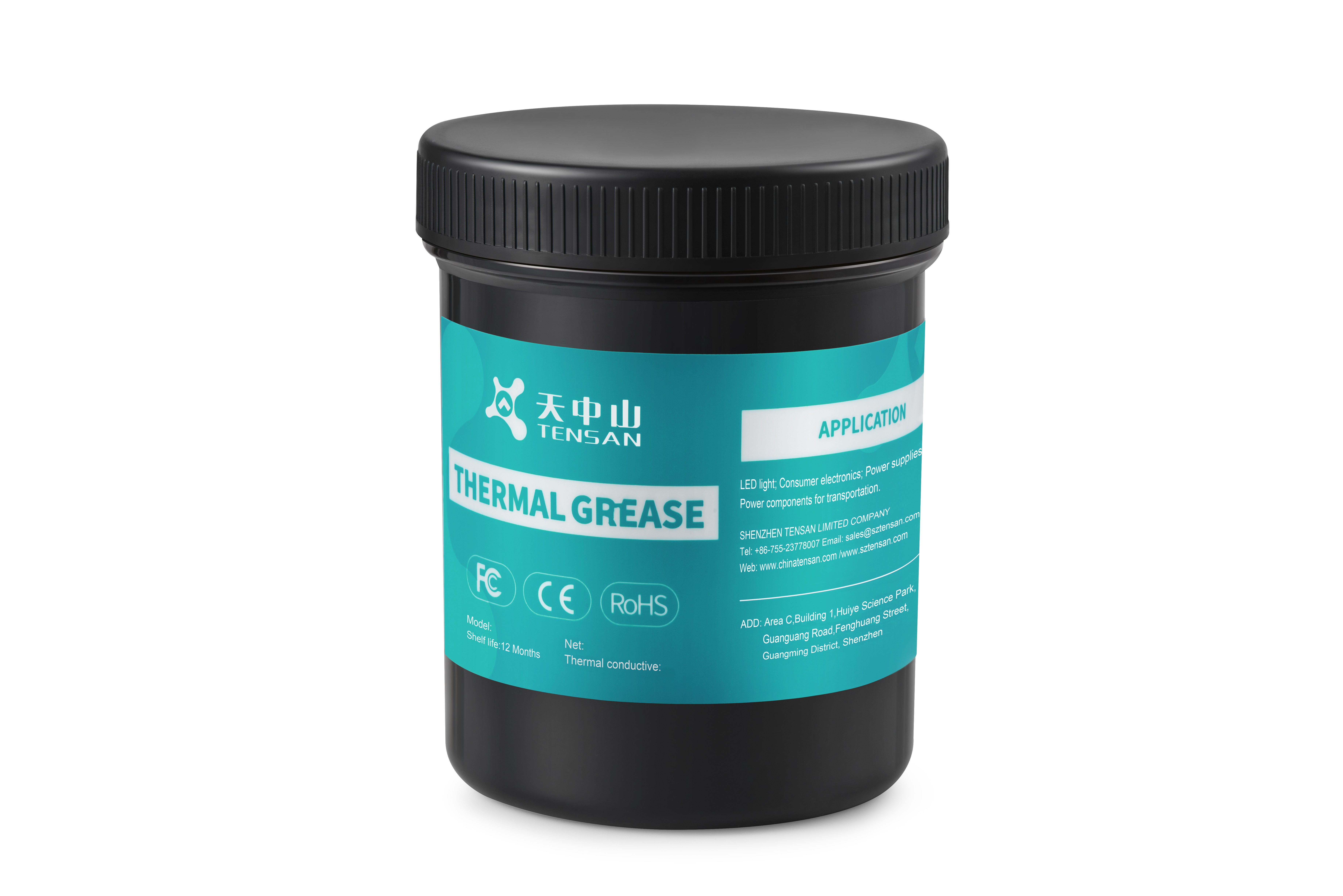
Thermal grease is an important heat dissipation material that plays an indispensable role in various electronic devices. By correctly using thermal grease, we can better utilize its heat dissipation performance, thereby improving the stability and safety of the device.
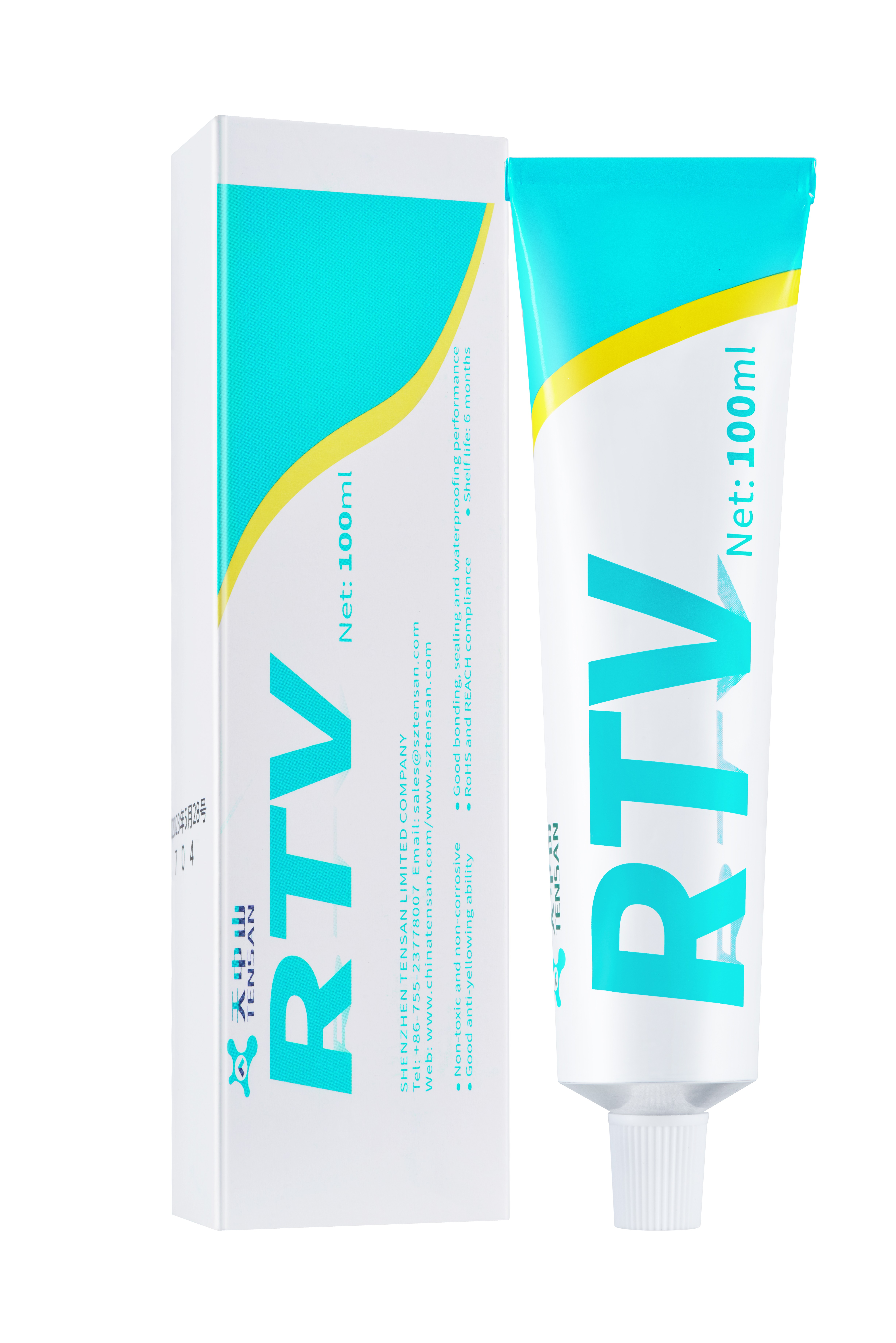
As an important driving force for today's social progress and economic development, the electronics industry has become a key development industry in many countries in the future. At present, electronic products are becoming more and more lightweight, multi-functional and high-performance. As an important auxiliary material for electronic products, adhesives are widely used. In addition to traditional sealing, bonding, potting and coating functions, adhesives also have special functionalities, such as electrical conductivity, thermal conductivity, insulation, dielectric properties, waterproof and dustproof properties, corrosion resistance, and flame retardancy. properties and optics, etc.
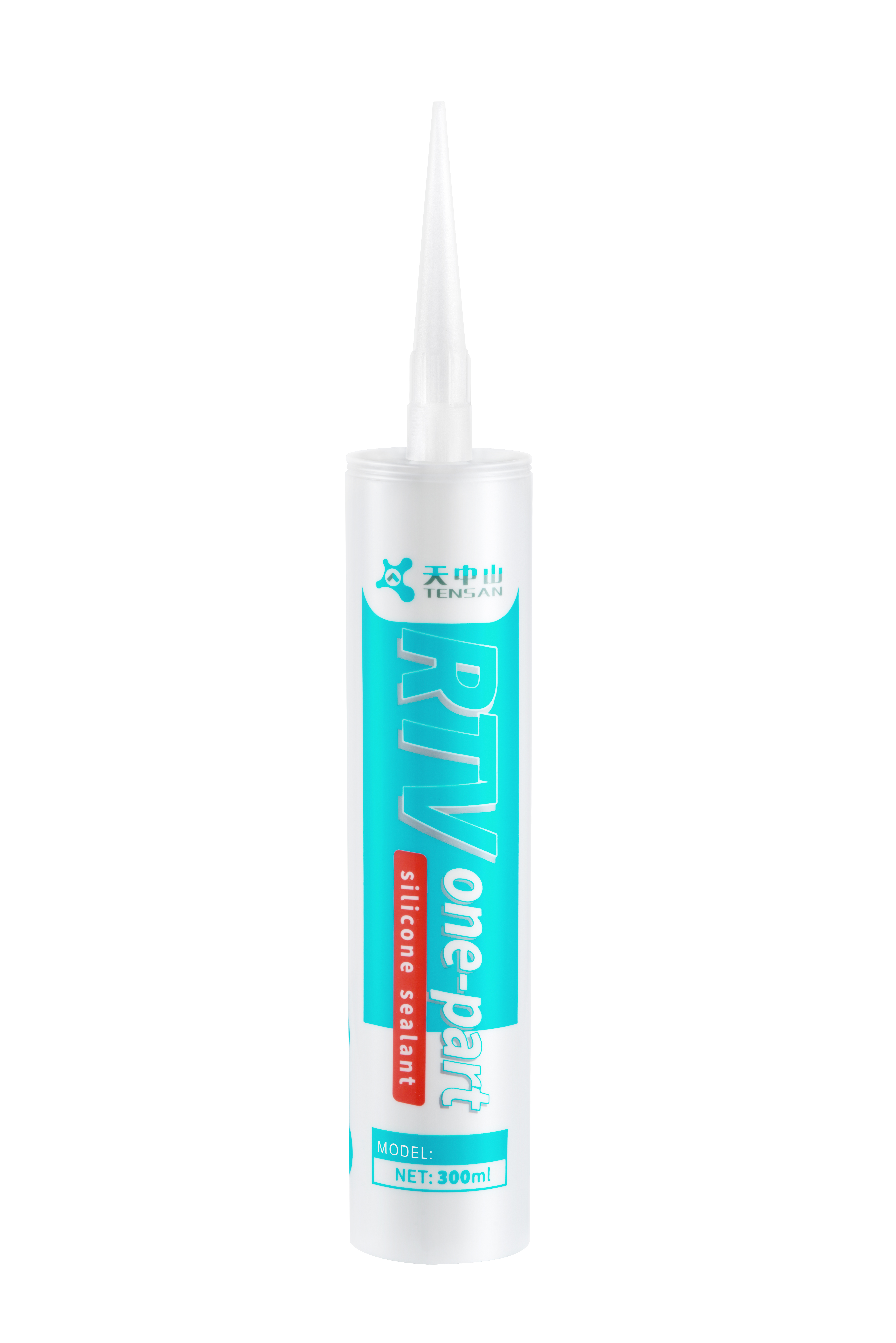
The functions of silicone adhesive mainly include bonding, fixing, filling, sealing and other applications between materials, and most applications that have special requirements on the surface after curing are filling and protection, and the general requirement is smoothness. For example, in the lighting industry, if the surface is If it is not flat, the light generated will change, so what happens to the uneven surface after the silicone adhesive is cured? What are the reasons for this problem?
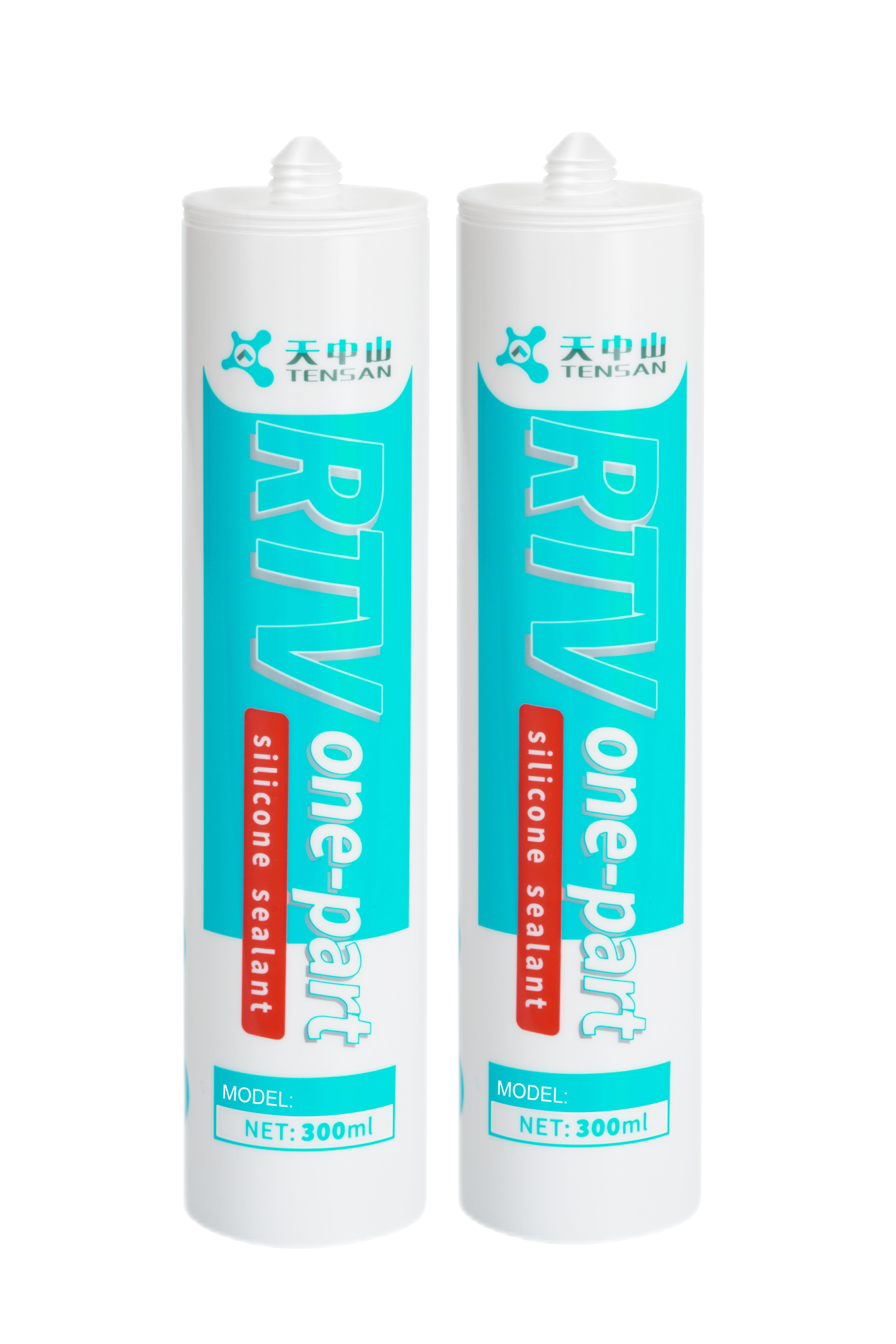
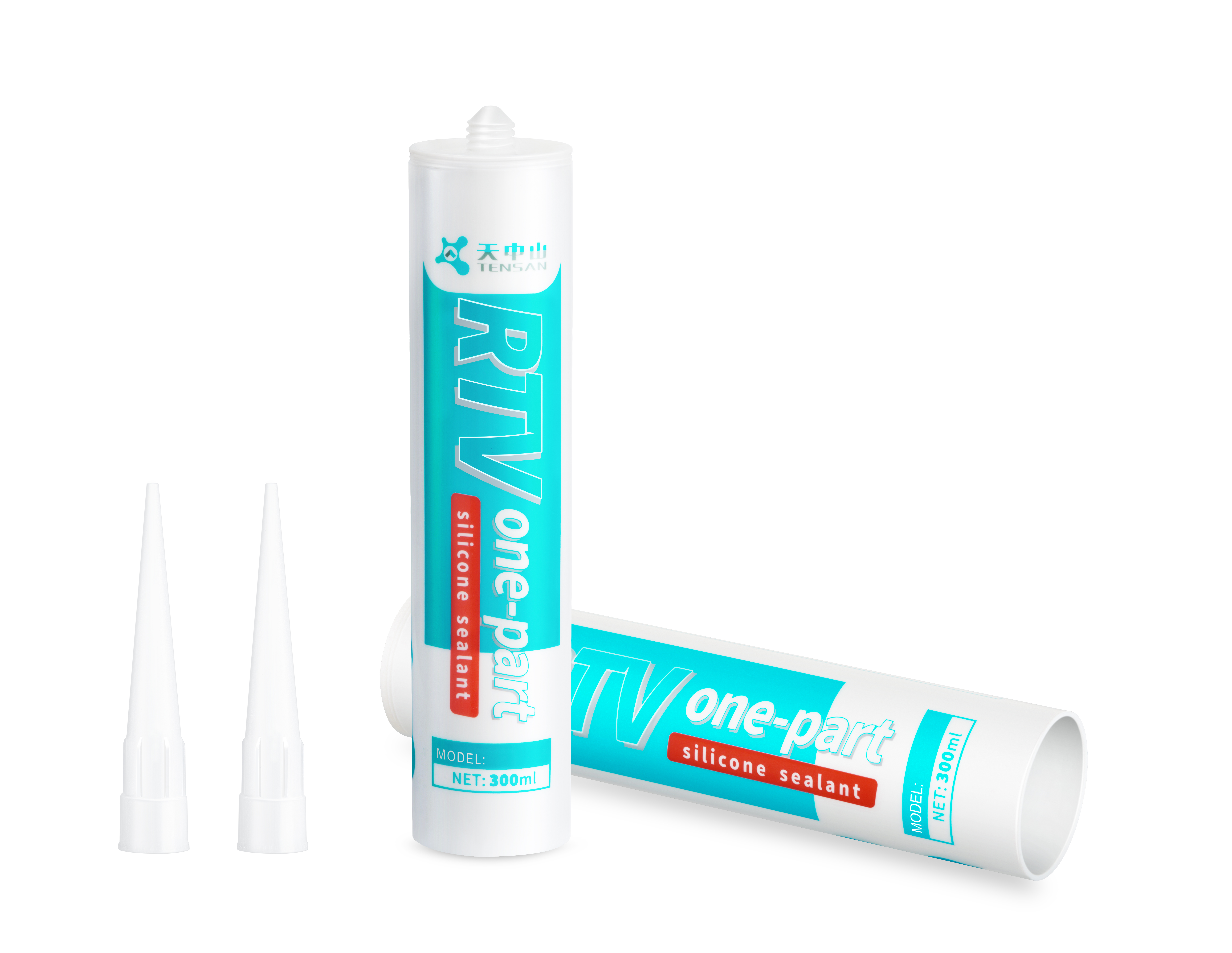
The curing time of silicone sealant refers to the time required from the completion of application of the sealant to the time required to achieve the predetermined strength and stability. The length of the cure time is affected by a variety of factors, including ambient temperature, humidity, substrate surface condition, and the composition of the sealant itself.