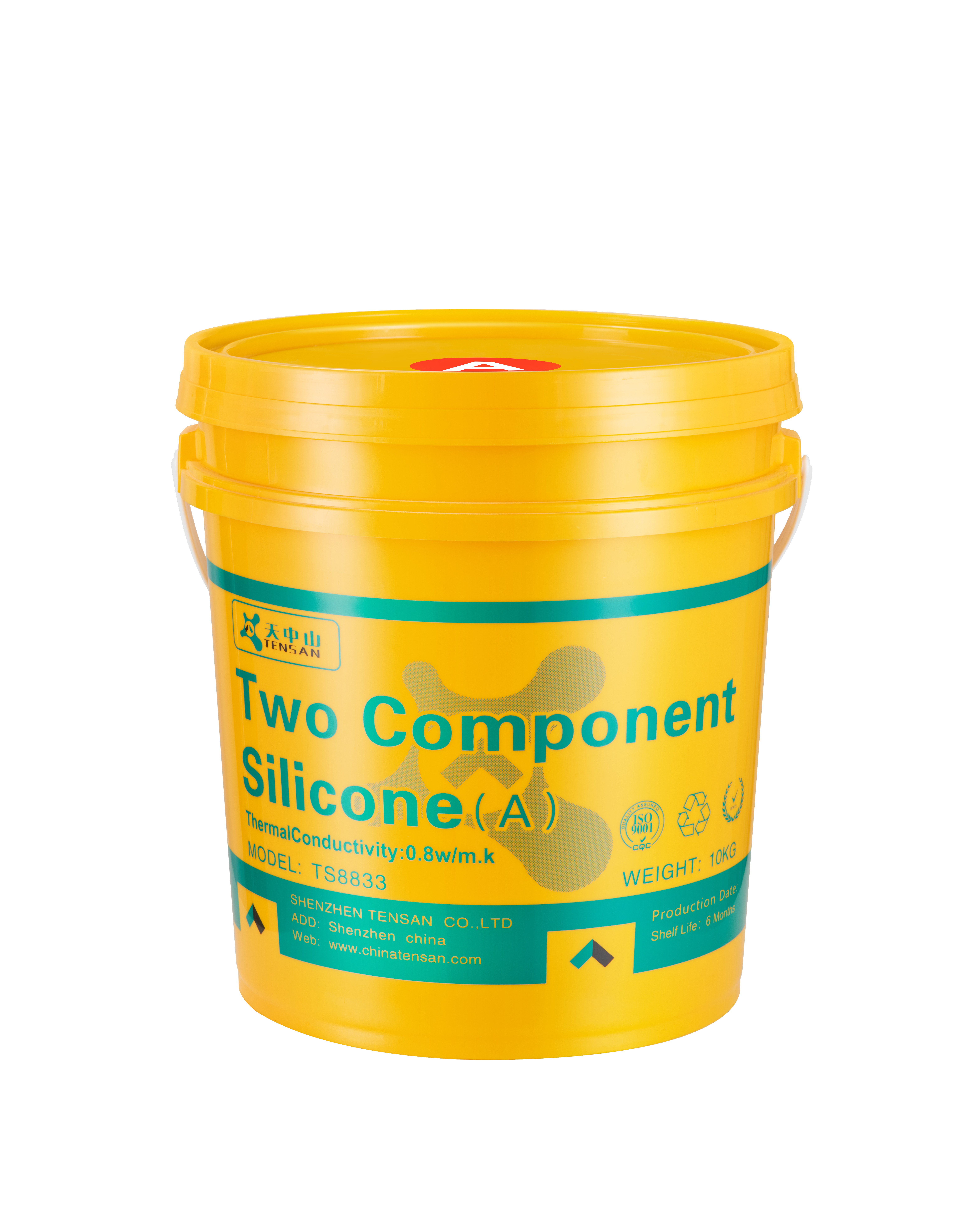

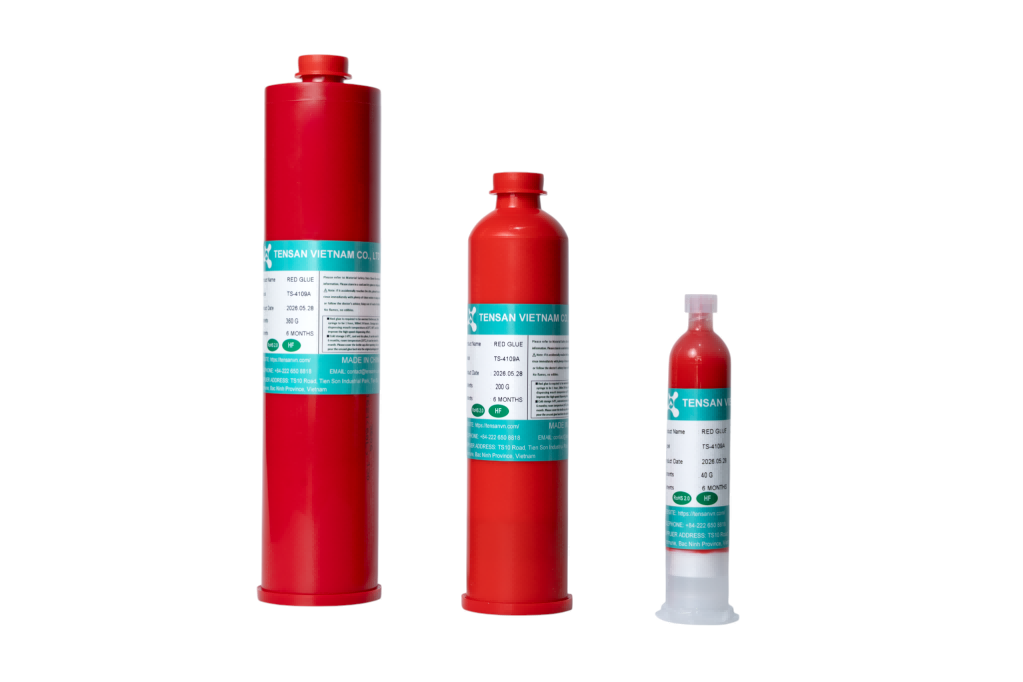


Silicone adhesive is an efficient and environmentally friendly adhesive that is widely used in bonding and fixing various materials and fields. However, if bubbles appear during use, it may have a serious impact on the performance and quality of the product. This article will discuss the causes of bubbles in silicone adhesives and how to prevent and deal with this phenomenon.
How many times have you purchased sealant? When purchasing sealant, do you strictly select the brand of the product? Carefully check the outer packaging of the product; Strictly review the production date of the adhesive; Whether the barrel is opened to check the product quality of the adhesive, such as whether there is Pungent odor, precipitation, etc.; have you carefully checked the applicable scope of the product? I believe that a small number of people will strictly follow these procedures when purchasing, but most people may not know it well, so today we will analyze the sealant purchasing guide.
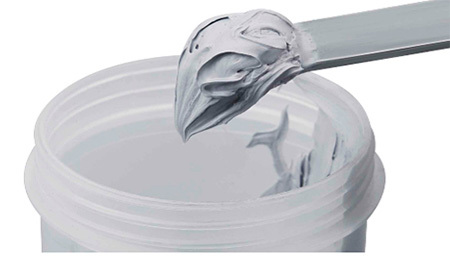
Many electrical appliances or electronics require the use of thermal paste during the manufacturing process. Thermal paste is a paste-like substance with thermal conductivity that needs to be applied in the gap between the CPU and the radiator to provide thermal conductivity. , to prevent the CPU from being burned due to excessive local temperature. During this process, the thermal paste should pay attention to maximizing the thermal conductivity. So, how does thermal paste dissipate heat? What are the precautions?
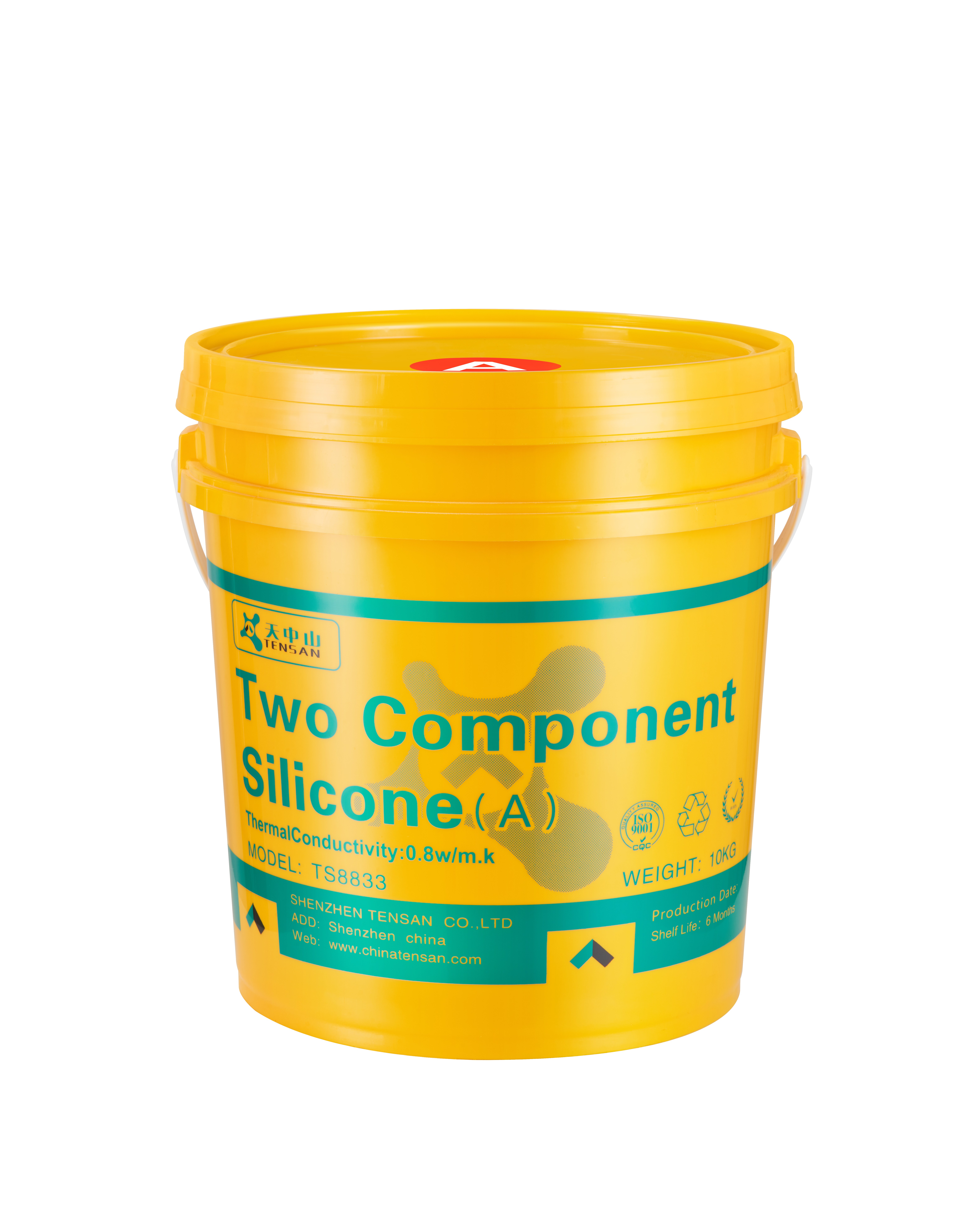
Thermal conductive potting glue currently plays an important role in new energy, among which it is widely used in the field of electric energy, and its safety has attracted more and more widespread attention. Power batteries are an important factor in promoting the development of new energy vehicles. They provide advances in power battery technology for new energy vehicles and greatly improve the endurance of new energy vehicles. However, the higher the operating power of the battery, the higher the heat released during use, which requires the configuration of more efficient thermal solutions.
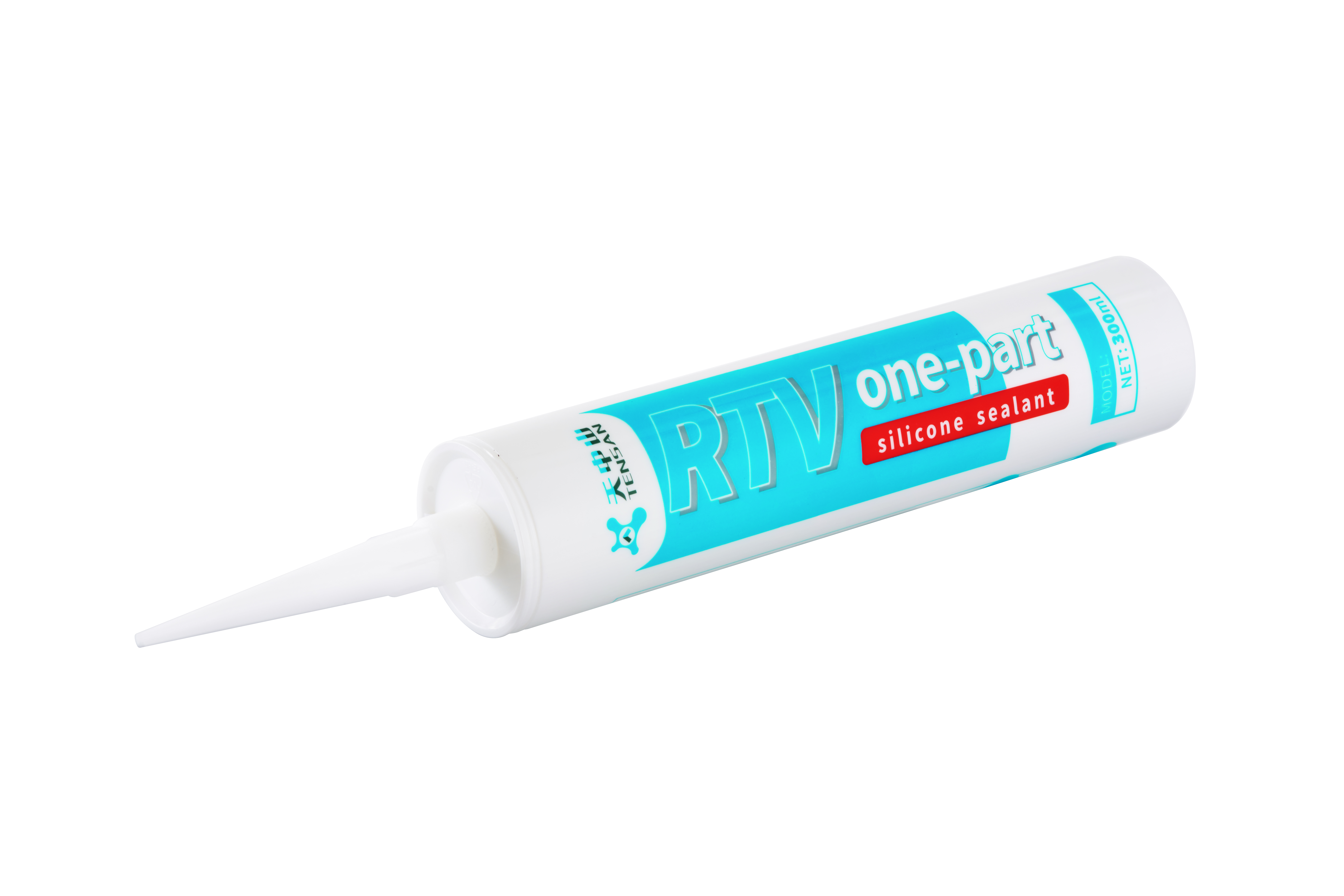
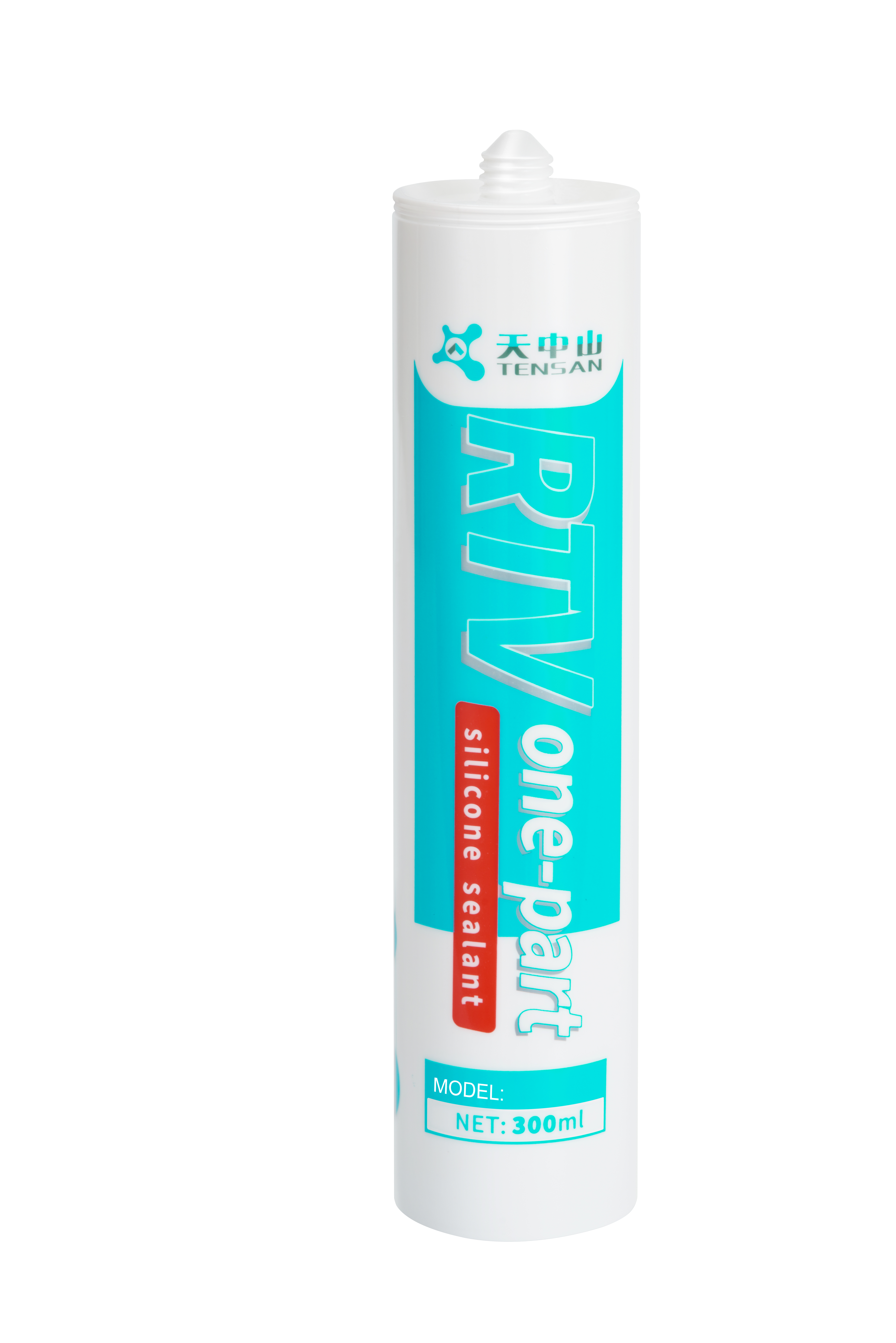
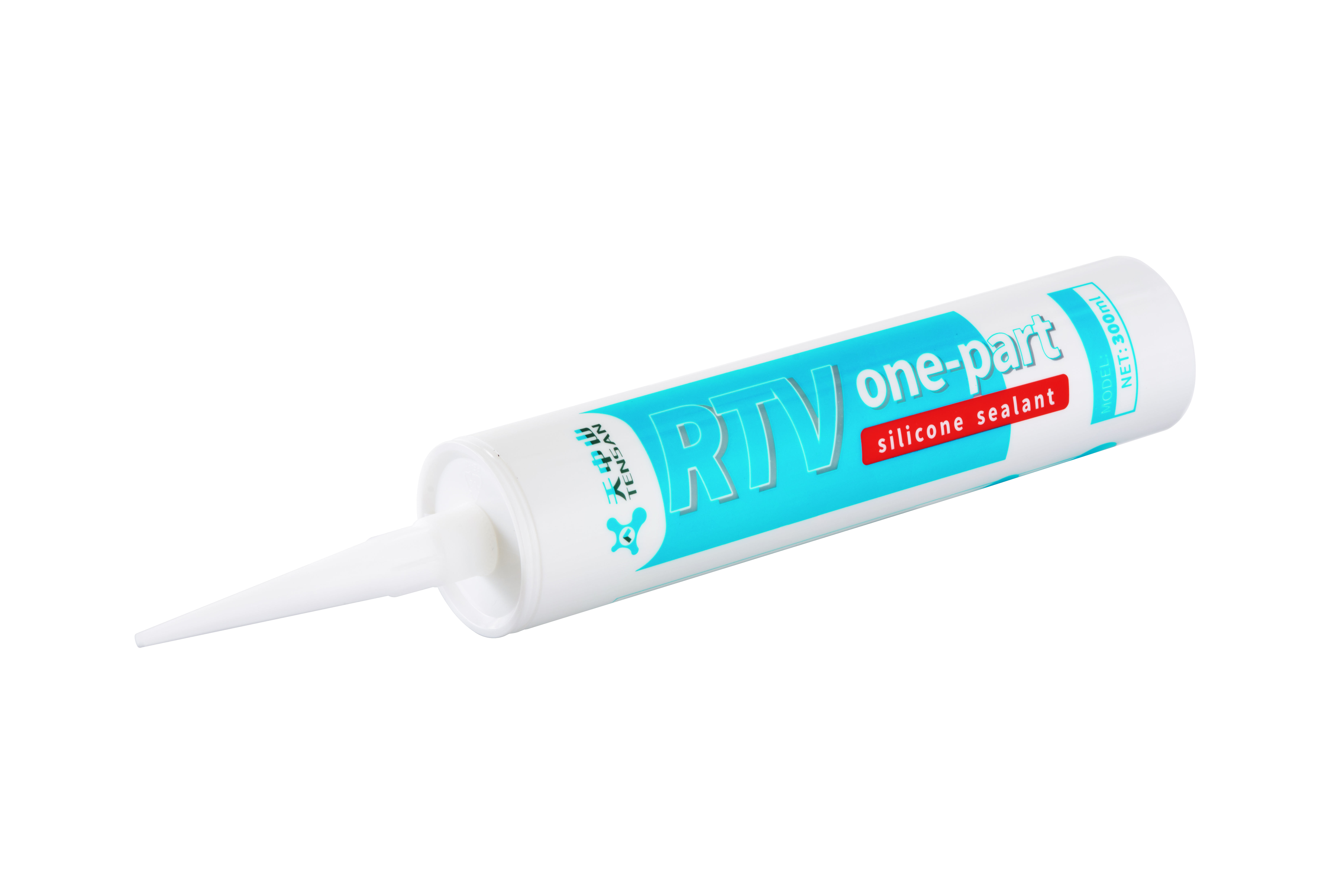
Silicone adhesive sealant, also known as room temperature vulcanized silicone rubber sealant, also known as RTV, is a silicone adhesive that can be hardened in a greenhouse. In an open environment, a cross-linking reaction occurs under the action of water to form a rubber elastomer. According to the type of small molecules released, it is divided into dealcoholization type, deacetonization type, deacidification type and deketone type. In a closed environment, ketone fat products will corrode copper and hard PC (making copper rust and PC crack), so you should pay attention when choosing and using them.