
Heat dissipation paste is a kind of heat dissipation material. This kind of heat dissipation material is a material that conducts heat and does not conduct electricity. It can be used in many electrical appliances and covers a wide range. But not all heat dissipation paste will have a good heat dissipation effect after construction, so what is the reason for the poor heat dissipation effect of heat dissipation paste?
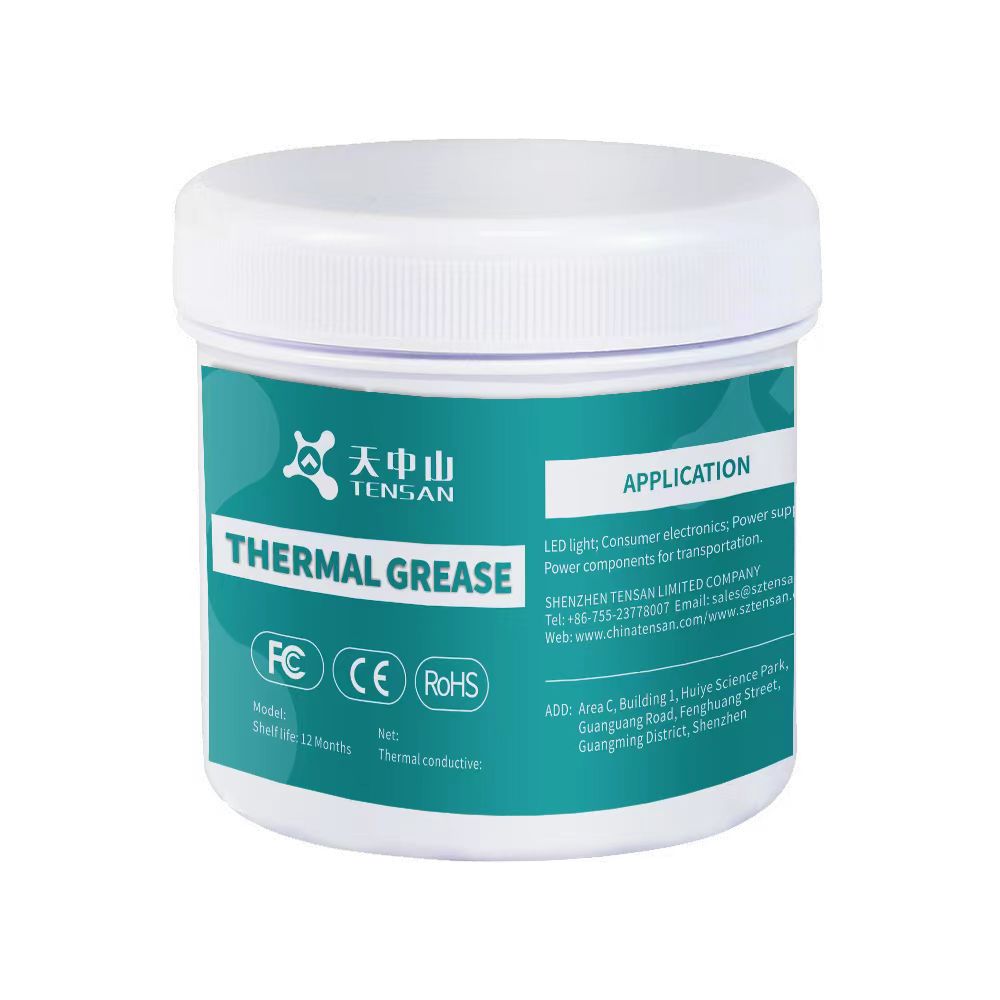
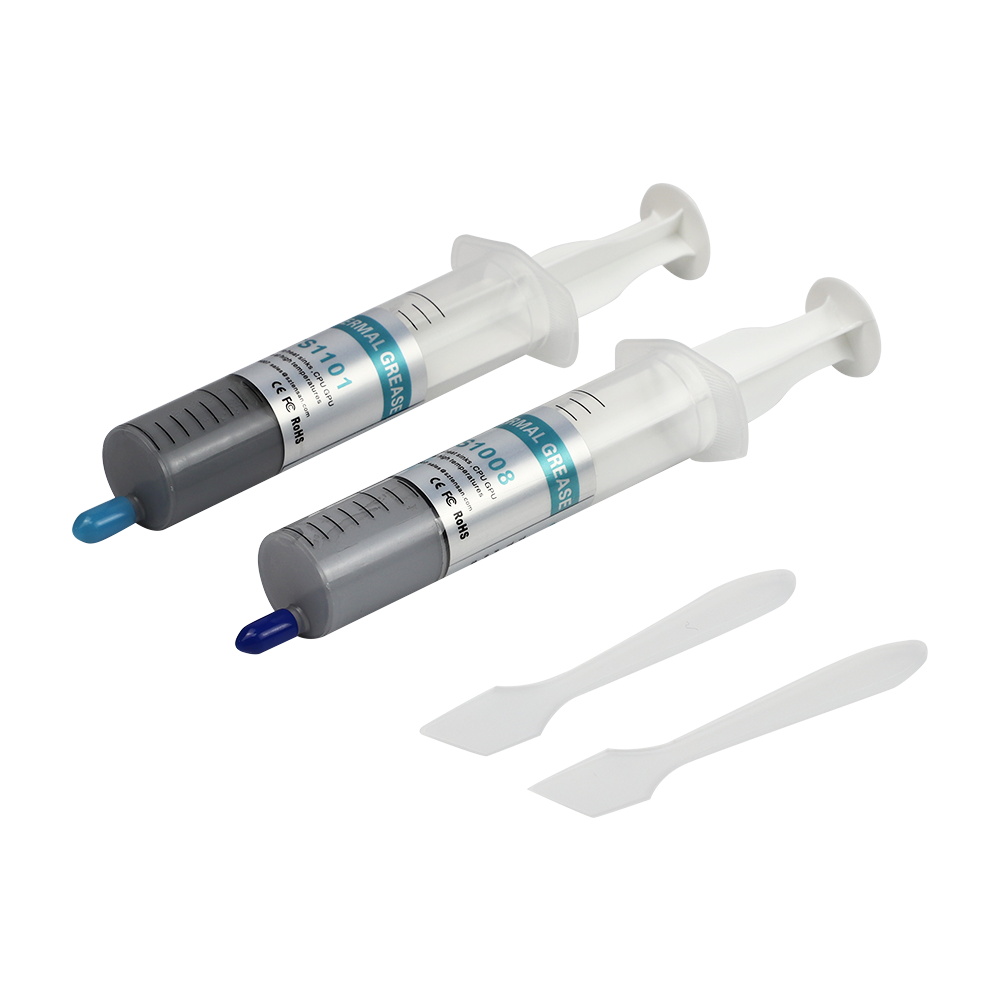
Heat dissipation paste, also often called heat conduction silicone grease, is a paste made of special silicone oil as base oil, new metal oxide as filler, and various functional additives, processed by a specific process. Colors have different appearances due to different materials. It has good thermal conductivity, temperature resistance, insulation and other properties. It is an ideal dielectric material for heat-resistant devices, and its chemical properties are stable. During use, it will not produce corrosive gases and will not affect the metals it contacts.
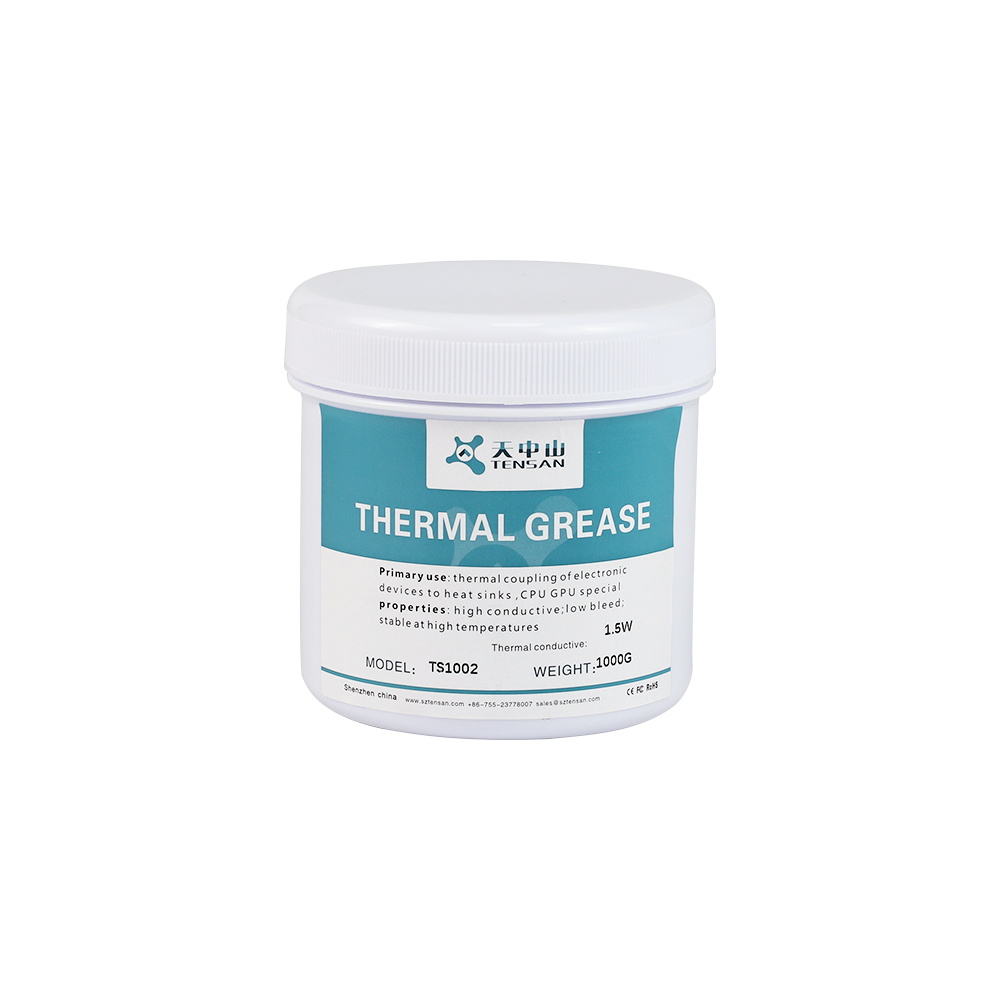
Many electrical appliances or electronics need to use heat dissipation paste in the process of manufacturing. Heat dissipation paste is a paste-like substance with thermal conductivity. It needs to be applied to the gap between the CPU and the heat sink, which can play a role in heat conductivity. , to prevent burning due to excessive local temperature of the CPU. In this process, the heat dissipation paste should maximize the effect of increasing the thermal conductivity. So, what is the principle of thermal paste heat dissipation? What are the precautions?
Thermal Interface Materials (TIM), one of the common heat dissipation methods, are commonly used in IC packaging and electronic heat dissipation. Heat dissipation is an enduring topic. The normal operation of mobile phones, tablets and computers we are familiar with is inseparable from the heat conduction effect of various heat-conducting materials. The requirements are constantly improving, and heat conduction products are also being upgraded rapidly.