


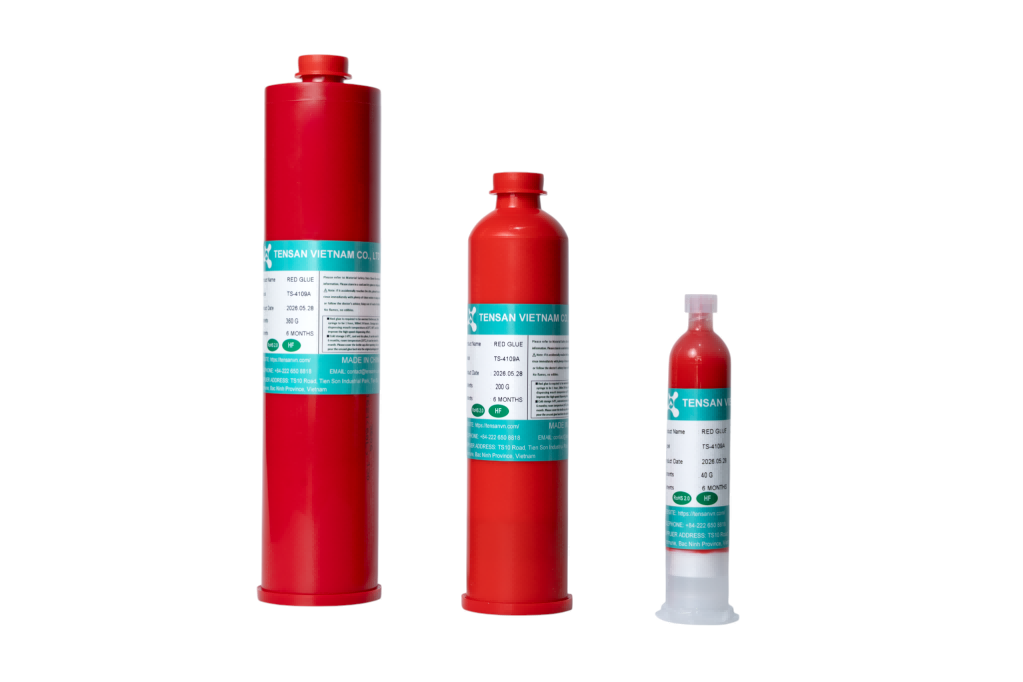


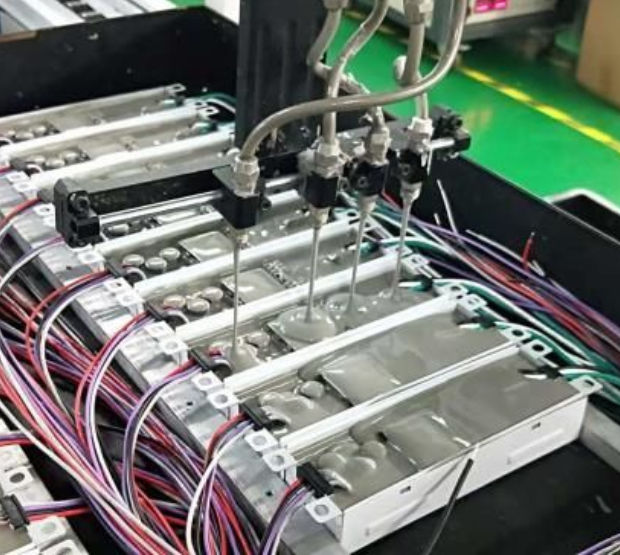
Bubble problems in adhesive products are a common phenomenon in products in this industry. To prevent the occurrence of bubbles, effective and controllable inspection standard methods must be formulated. Today I will share with you how to check whether the bubbles are completely eliminated after the silicone potting adhesive is completely cured.
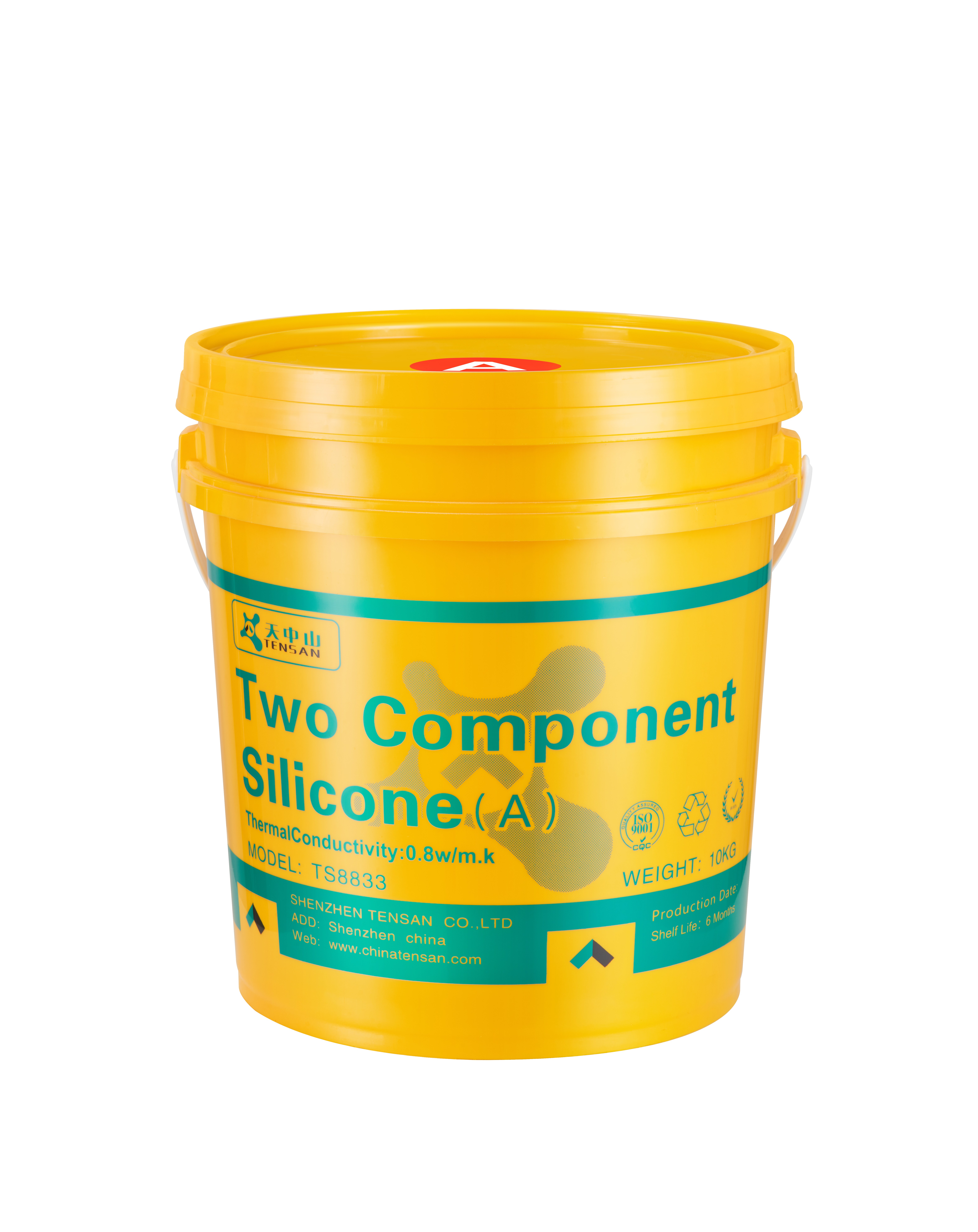
Potting glue is no stranger to us, because we will use various glues in our lives or work. Potting glue can be used in the construction industry, but today we are going to talk about potting glue used in the electronics industry.
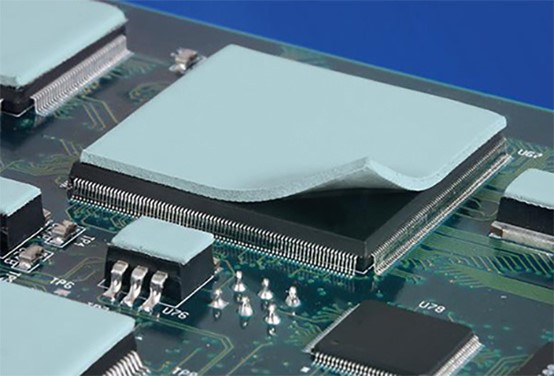
Thermal silicone gaskets and thermal grease are both thermal interface materials and are widely used in electronic products. So which one has better heat dissipation effect? What are the advantages and disadvantages of each of them? How to choose thermally conductive silicone gasket and thermally conductive silicone grease?
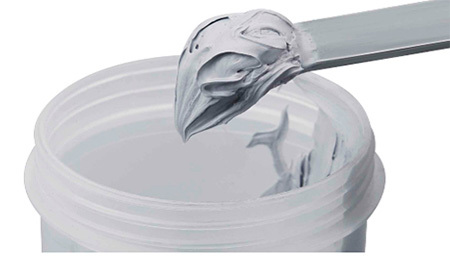
Many electrical appliances or electronics require the use of thermal paste during the manufacturing process. Thermal paste is a paste-like substance with thermal conductivity that needs to be applied in the gap between the CPU and the radiator to provide thermal conductivity. , to prevent the CPU from being burned due to excessive local temperature. During this process, the thermal paste should pay attention to maximizing the thermal conductivity. So, how does thermal paste dissipate heat? What are the precautions?
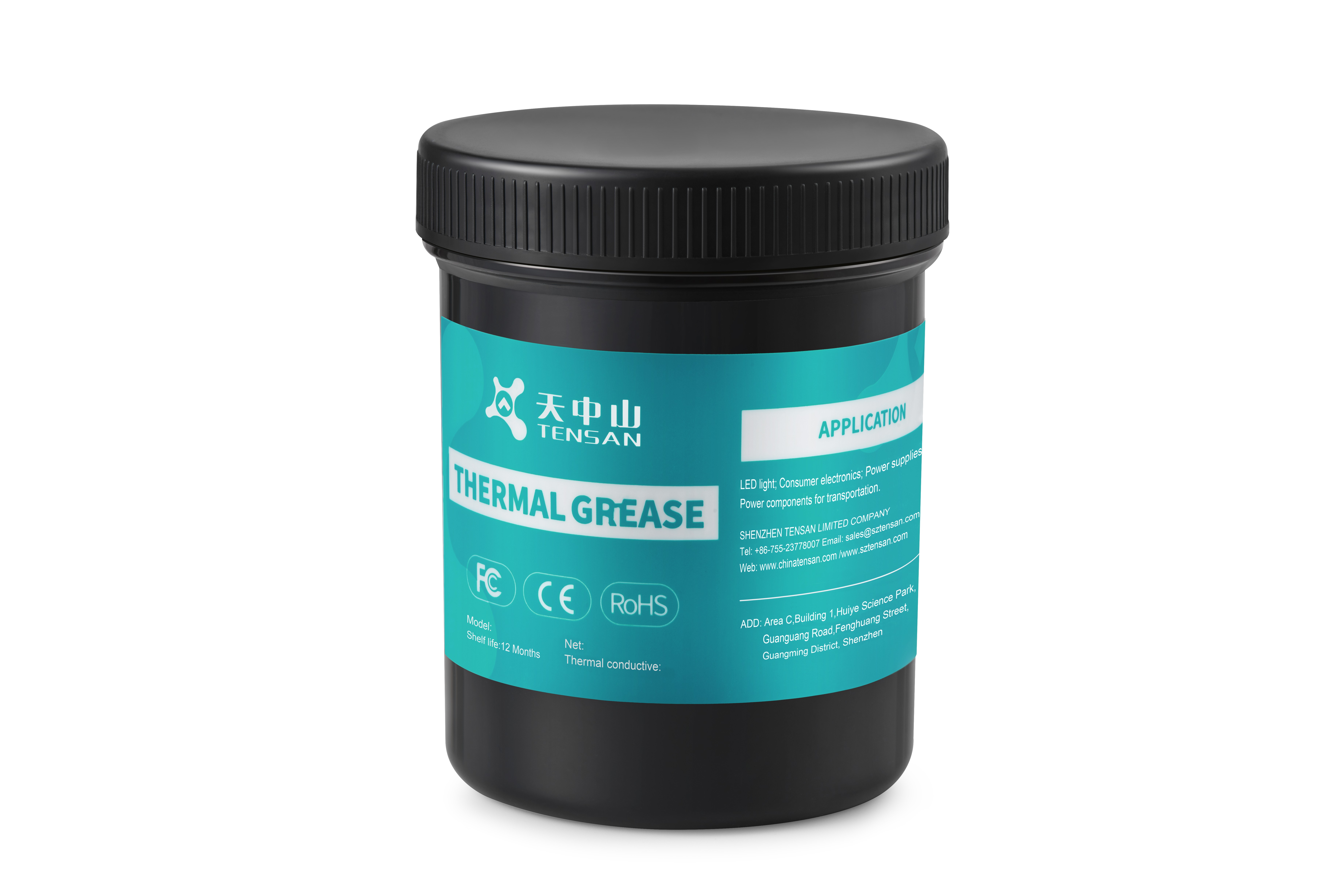
Thermal paste is an indispensable material in many electrical appliances. This material is not used in large quantities, but it plays a very important role. At present, thermal paste has been recognized by electrical appliance manufacturers, and more people tend to buy high-quality products when purchasing.
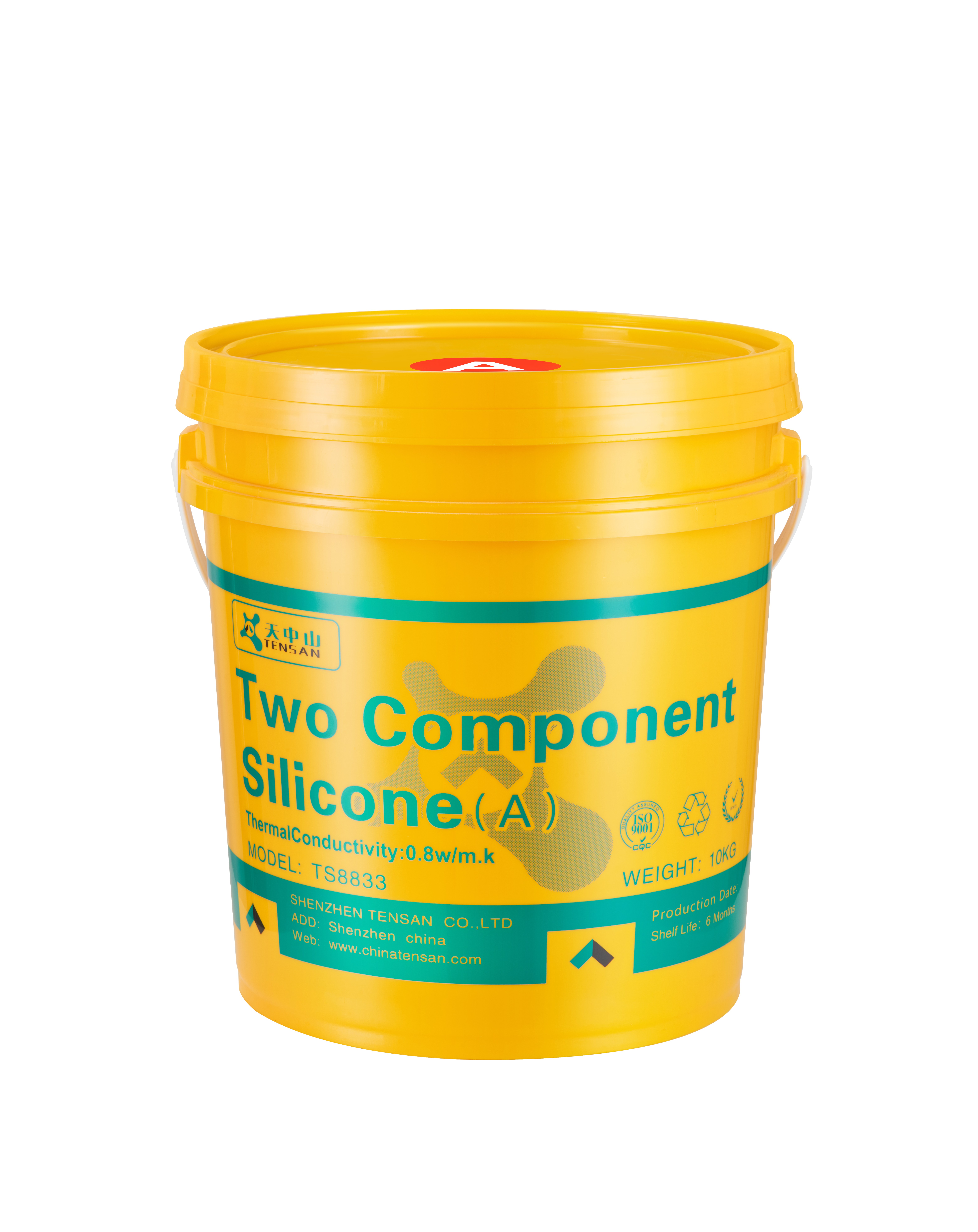
Thermal conductive potting glue currently plays an important role in new energy, among which it is widely used in the field of electric energy, and its safety has attracted more and more widespread attention. Power batteries are an important factor in promoting the development of new energy vehicles. They provide advances in power battery technology for new energy vehicles and greatly improve the endurance of new energy vehicles. However, the higher the operating power of the battery, the higher the heat released during use, which requires the configuration of more efficient thermal solutions.